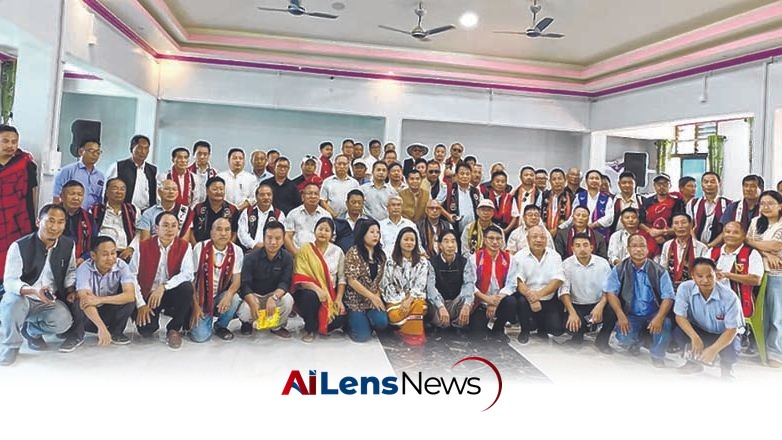


The United Naga Council has firmly stated that there is no question of lifting the blockade, emphasizing the need to protect the interests of the Naga community.
Imphal, India Jul 15, 2026 ALN: The United Naga Council (UNC), a prominent organization representing the interests of the Naga people in India, has reaffirmed its position against lifting the ongoing blockade that has been in place for a significant period. This decision underscores the council's commitment to safeguarding the rights and welfare of the Naga community. The statement was made during a joint meeting held with the Nagaland Tribe Hoho Co-ordination Committee at the SM Sha Complex in Senapati, where leaders from various Naga tribes convened to discuss pressing issues affecting their people.
The blockade, which has become a focal point of contention, is perceived by the UNC as an essential measure aimed at protecting the interests of the Naga community, particularly in the context of historical grievances that have frequently been overlooked in broader political discussions. The Naga people, with a rich cultural heritage and distinct identity, feel that their concerns must be prioritized in regional governance and policy-making to ensure their survival and growth as a community.
The UNC's decision to maintain the blockade is rooted in ongoing concerns regarding the welfare of Nagas living in the region. Leaders at the meeting articulated that the blockade serves as a necessary tool to ensure that the voices of the Naga people are heard and respected. The historical context of the Naga struggle for autonomy and recognition within India is complex, stemming from decades of conflict, negotiation, and political maneuvering. Many Naga tribes have felt marginalized in the political landscape, leading to a growing sentiment that their rights and needs are often sidelined.
The blockade is not merely a logistical issue but rather symbolizes a broader struggle for self-determination. The Naga people have long sought greater autonomy and recognition of their unique cultural identity. The blockade is viewed as a means to draw attention to these demands, particularly amid ongoing socio-political dynamics in the region, including the impacts of development projects and resource management, which have further fueled tensions within the Naga community.
The Naga struggle for autonomy has deep historical roots, tracing back to the colonial era when the Naga tribes were distinct entities with their own governance systems. The aftermath of India's independence in 1947 brought significant changes, leading to the integration of Naga territories into the Indian Union. However, the Naga people have consistently sought recognition of their unique identity and rights, resulting in ongoing negotiations with the Indian government.
Over the years, various peace agreements have been attempted, yet many Naga leaders argue that the core issues of autonomy and self-governance remain unresolved. The UNC has been at the forefront of advocating for these rights, emphasizing the need for a political solution that acknowledges the historical injustices faced by the Naga people.
The recent meeting highlighted a strong sense of unity among various Naga tribes, with representatives expressing their unwavering support for the UNC's stance. The collective sentiment was that lifting the blockade would undermine their efforts to achieve justice and recognition. This solidarity is particularly critical in a region where tribal affiliations and historical rivalries can complicate collective action. The UNC has worked diligently to foster unity among diverse Naga tribes, emphasizing the importance of presenting a united front in negotiations with state and central governments.
Community leaders underscored that the blockade serves as a form of non-violent protest against perceived injustices and a call for dialogue regarding the Naga political issue. The support from various tribal organizations and community members reinforces the significance of the blockade as a tool for political expression and mobilization, reflecting a broader desire for recognition and respect for their rights.
As discussions progressed during the meeting, participants deliberated on potential future actions to strengthen their position. The UNC is committed to exploring all avenues to advocate for the rights of the Naga people while maintaining the blockade as a strategic tool. This includes engaging in dialogue with governmental authorities, seeking support from civil society organizations, and utilizing media platforms to raise awareness about their plight.
Moreover, the UNC is likely to focus on building alliances with other marginalized groups in the region to amplify their voices. The ongoing situation in Nagaland reflects broader issues of governance and representation in India, where various ethnic and indigenous groups are advocating for their rights amidst a complex political landscape. The UNC's strategies may also involve organizing peaceful demonstrations, cultural events, and educational campaigns to highlight the historical and contemporary challenges faced by the Naga people.
The UNC's firm stance against lifting the blockade has significant implications for regional politics in Nagaland and beyond. It highlights the ongoing struggle for autonomy and recognition among indigenous communities in India. The blockade, while a point of contention, serves as a reminder of the unresolved issues surrounding the Naga political landscape and the need for meaningful dialogue between the Naga leadership and the Indian government.
Furthermore, the solidarity among various Naga tribes may inspire other marginalized groups in the region to assert their rights and demands more vigorously. The UNC's actions could potentially catalyze a broader movement for greater representation and self-governance among indigenous populations in India, challenging the existing political order that often overlooks their needs.
In conclusion, the UNC's steadfast position against lifting the blockade reflects a deeper commitment to the interests of the Naga community. As the situation continues to evolve, the council remains dedicated to ensuring that the voices of the Naga people are not only heard but also acted upon. The blockade stands as a symbol of the ongoing struggle for recognition and rights within a national framework that frequently overlooks the unique needs and aspirations of indigenous communities. The leadership of the UNC, along with the solidarity among the Naga tribes, will be crucial as they navigate the challenges ahead, striving for a future where their rights and identities are respected and preserved.
To learn more about the latest developments in Political Controversies, stay updated with our exclusive reports and analyses on AiLensNews.

