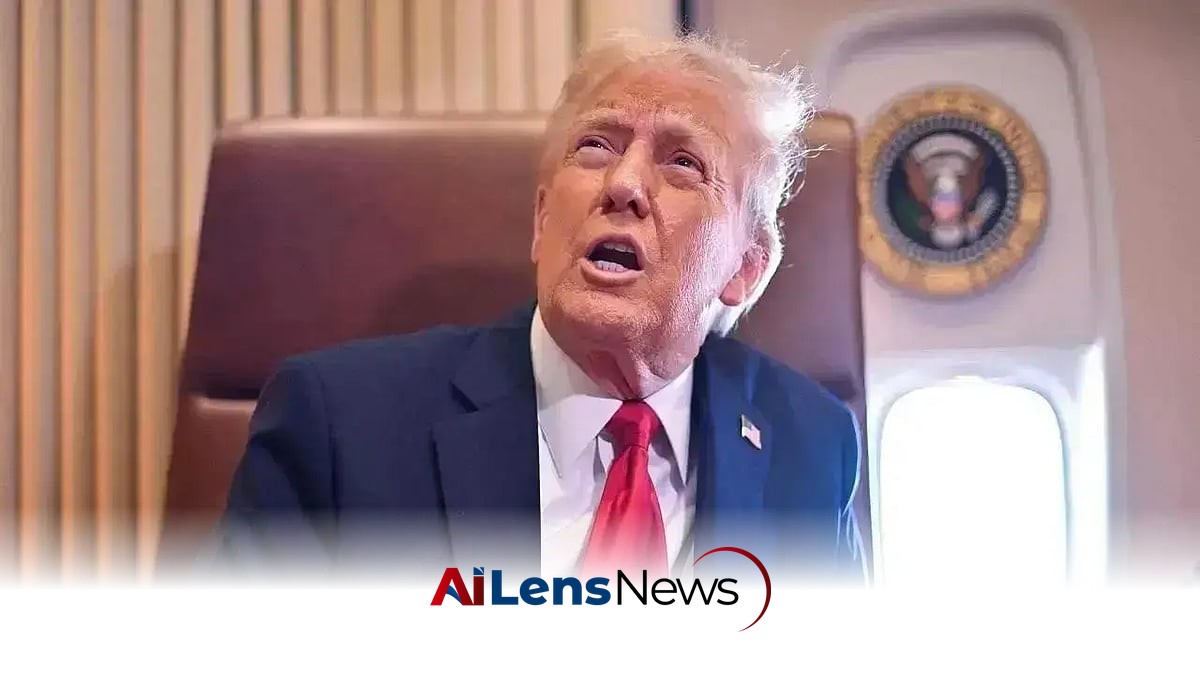


At a rally in Georgia, President Trump declared a 'Golden Age of America,' criticized Democrats, and pushed for stricter voting regulations ahead of the midterm elections.
Imphal, India Jul 24, 2026 ALN: Georgia: US President Donald Trump addressed a rally in the battleground state of Georgia, using the platform to sharpen his political messaging ahead of the upcoming midterm elections. This rally is significant not only because of its timing but also due to Georgia's pivotal role in the political landscape of the United States, especially following the contentious 2020 presidential election and the subsequent Senate runoffs that saw Democrats gain control of the Senate.
During his address, Trump mixed policy highlights with sharp attacks against Democrats, renewed claims regarding the US electoral system, and formal endorsements for Republican candidates in what marked one of his most explicit campaign-style speeches since returning to the White House. His return to such a campaigning style underscores the ongoing influence he maintains within the Republican Party and his potential candidacy for the 2024 presidential election.
Opening his address on Wednesday (local time), Trump briefly feigned a news announcement before clarifying his intent to the cheering audience. "Well, thank you very much, everybody. It's a special place, and I am here to announce my candidacy," Trump said, pausing as the crowd erupted in applause before adding, "I'm only kidding. I'm only kidding." This playful banter not only energized his supporters but also served to reinforce his connection with the crowd, a tactic he often employs to maintain enthusiasm among his base.
Throughout his remarks, Trump called on Republicans to expand their congressional majorities, framing the 2026 midterm elections as vital to safeguarding his administration's legislative agenda. His focus on the upcoming elections reflects a broader strategy aimed at consolidating Republican power in Congress, which he argues is necessary to implement his policies effectively. Trump has consistently emphasized the importance of midterm elections as a referendum on his presidency and a means to counter Democratic initiatives.
"We have some great candidates running. They've got to win by a lot. Otherwise we're going communist," he told supporters. This stark warning highlights his perception of the Democratic Party as a significant threat to his vision for America, a narrative he has been advancing since his presidency. By framing the election in such dire terms, Trump aims to mobilize his base, encouraging them to view their participation as a defense against what he describes as an encroaching socialist agenda.
Characterising Democrats as "communists", Trump accused opposition lawmakers of resisting key administration initiatives, including tax reductions, border security measures, and immigration enforcement. This rhetoric is part of a larger strategy to vilify Democratic leaders and policies, painting them as radical and out of touch with mainstream American values. His comments about specific figures, such as Senator Jon Ossoff, serve to personalize the attack, making it more relatable to his audience.
"Jon Ossoff and the Democrat communists want to let the Marxists into power, bankrupt your families, and leave you totally undefended with wide open borders, but we will not let that happen to our country," he said. This type of language not only rallies his supporters but also seeks to instill fear regarding the consequences of a Democratic majority, a tactic that has proven effective in past campaigns.
Electoral integrity formed a key component of the address, with Trump reiterating long-standing arguments regarding voting procedures. "Make it too big to rig," he said, before adding, "Watch those machines." His focus on voting integrity reflects a continuing narrative he has pushed since the 2020 election, where he alleged widespread voter fraud without substantial evidence. This theme resonates with many of his supporters who share concerns about the integrity of the electoral process.
Advocating nationwide voting reforms, Trump outlined several legislative goals. "We're fighting so that all voters must show voter ID," he stated. Voter ID laws have been a contentious issue in American politics, with proponents arguing they are necessary to prevent fraud, while opponents contend they disproportionately affect minority and low-income voters. Trump's insistence on voter ID laws aligns with a broader Republican push for stricter voting regulations, which they argue will enhance the integrity of elections.
"We're fighting so that all voters must provide proof of citizenship," Trump said, adding, "And also the no mail-in ballots, very important." Trump noted that exemptions should apply solely to military personnel, illness, disability, and travel. His call for the elimination of mail-in ballots reflects a significant shift in voting practices that gained traction during the COVID-19 pandemic, when many states expanded access to mail-in voting to facilitate participation while maintaining public health guidelines. Trump's stance against mail-in voting is rooted in his belief that it increases the potential for fraud, a claim that has been widely disputed by election officials and experts.
The implications of Trump's rally in Georgia extend beyond the immediate political landscape. His continued focus on the themes of electoral integrity and the characterization of Democrats as radical leftists may influence voter sentiment leading up to the midterm elections. As Trump rallies his base, the Republican Party may seek to capitalize on his popularity to mobilize voters and secure key victories in competitive districts.
Moreover, Trump's remarks could signal a broader strategy for the GOP as they prepare for the 2024 presidential election cycle. By aligning with Trump's messaging, Republican candidates may seek to harness his influence and appeal to his supporters, potentially shaping the party's platform and priorities moving forward.
In conclusion, Trump's rally in Georgia serves as a microcosm of the current political climate in the United States, characterized by deep partisan divides and heightened tensions surrounding electoral processes. As the midterm elections approach, the strategies employed by both parties will be crucial in determining the balance of power in Congress and the direction of American politics in the coming years.
To learn more about the latest developments in Elections, stay updated with our exclusive reports and analyses on AiLensNews.

