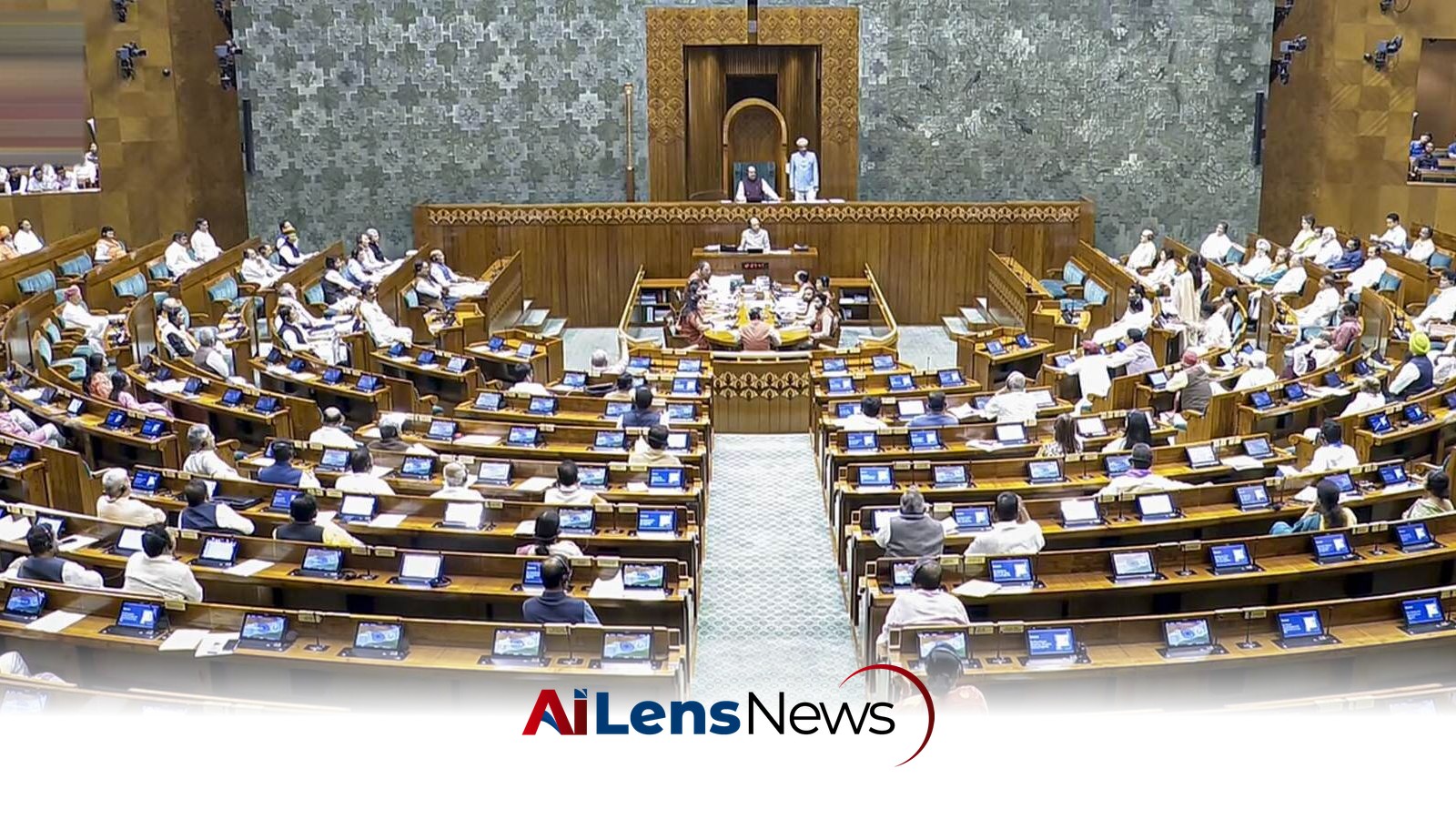


The Lok Sabha faced another adjournment as the opposition insisted on the resignation of Union Education Minister Dharmendra Pradhan amid ongoing protests regarding the NEET paper leak.
Imphal, India Jul 24, 2026 ALN: Lok Sabha proceedings were adjourned for the fifth consecutive day on Friday as the opposition continued to demand the resignation of Union Education Minister Dharmendra Pradhan over the NEET paper leak controversy, while the Centre urged parties to allow a debate on the issue.
The National Eligibility cum Entrance Test (NEET) is a crucial examination for aspiring medical students in India, and any controversy surrounding it can have far-reaching implications for the education system and the future of countless students. The recent allegations of a paper leak have raised serious concerns about the integrity of the examination process, prompting widespread protests and demands for accountability from the government. The opposition parties, particularly the Congress, have seized upon this controversy to press for Pradhan's resignation, arguing that the minister is ultimately responsible for the administration of the examination.
The House, which reassembled at noon after an earlier adjournment, witnessed fresh sloganeering by Congress and other opposition members demanding Pradhan's resignation, forcing another adjournment for the day until Monday. The ongoing protests reflect a broader discontent with the government's handling of educational affairs, especially in a country where access to quality education is a significant issue. The NEET controversy has not only disrupted parliamentary proceedings but has also ignited a larger conversation about the need for reforms in the education sector.
Parliamentary Affairs Minister Kiren Rijiju appealed to the opposition to participate in a discussion on the issue, saying the government had repeatedly reached out to opposition parties to facilitate a debate in Parliament. This call for dialogue highlights the government's recognition of the importance of addressing the concerns raised by the opposition, even as tensions remain high. Rijiju's comments suggest a willingness on the part of the government to engage with the opposition, which is essential in a functioning democracy.
Pointing towards Leader of the Opposition Rahul Gandhi, Rijiju said several opposition MPs were willing to discuss the matter and urged Gandhi to persuade his party members to allow proceedings to continue. This moment underscores the often contentious nature of parliamentary politics in India, where party lines can lead to significant disruptions in legislative business. The ability of political leaders to navigate these tensions and work towards constructive dialogue is crucial for the effective functioning of Parliament.
"Making excuses and attaching preconditions before a debate will send a wrong message to the country," Rijiju said, emphasizing the need for a cooperative approach to governance. The minister's remarks reflect a broader concern that ongoing disruptions could undermine public confidence in the legislative process at a time when citizens are seeking accountability from their elected representatives.
He also referred to Prime Minister Narendra Modi's earlier announcement that the government would bring a stringent anti-paper leak law and establish fast-track courts to ensure speedy trials in examination malpractice cases. The proposed legislation aims to address the growing issue of examination fraud, which has plagued various competitive exams in India. By promising to introduce such measures, the government is attempting to restore faith in the examination process and reassure students and parents alike that their futures are secure.
Rijiju further noted that activist Sonam Wangchuk had ended his 26-day hunger strike after receiving assurances from the government. Wangchuk, a prominent education reformer, had been advocating for changes to the NEET examination process, highlighting the need for transparency and fairness. His hunger strike drew attention to the broader issues of educational reform and the need for systemic changes to ensure that all students have equal opportunities to succeed.
The minister said the Union Cabinet was scheduled to take a decision on the proposed anti-paper leak legislation on Friday before it is introduced in Parliament next week. The introduction of this legislation is seen as a critical step in addressing the concerns raised by the opposition and the public, but it remains to be seen whether it will be sufficient to quell the demands for Pradhan's resignation.
However, the opposition remained firm on its demand for Pradhan's resignation, raising slogans of "Istifa Do" inside the House. This insistence on accountability reflects a growing impatience among opposition parties, who are eager to capitalize on any perceived missteps by the government. The political ramifications of the NEET controversy could extend beyond this particular incident, potentially influencing the upcoming elections and shaping public perception of the ruling party's effectiveness in managing critical issues.
Rahul Gandhi sought to speak during the proceedings, but the Chair, presided over by Jagdambika Pal, said he would be given an opportunity after ministers tabled parliamentary papers. The procedural intricacies of parliamentary sessions can often lead to frustration among members, particularly when urgent issues are at stake. Gandhi's desire to address the House underscores the significance of the NEET controversy in the current political landscape, as opposition leaders seek to leverage the situation to their advantage.
Before that could happen, persistent protests forced the House to be adjourned for the day, leaving the Congress leader without a chance to address the House. This pattern of adjournments highlights the challenges faced by the Indian Parliament in maintaining order and facilitating meaningful debate, particularly in a highly charged political environment.
Earlier in the day, Speaker Om Birla paid tributes to the armed forces ahead of the 27th Kargil Vijay Diwas, to be observed on Sunday. This acknowledgment of the sacrifices made by the armed forces serves as a reminder of the broader context in which parliamentary debates take place, as national security and patriotism often intersect with discussions of domestic policy.
As opposition members resumed protests soon after the House assembled, Birla reminded them that he had already assured a discussion on paper leaks in accordance with parliamentary rules. He also stressed that Question Hour was a crucial mechanism through which members hold the government accountable and urged them not to disrupt proceedings. The importance of maintaining decorum in parliamentary sessions cannot be overstated, as it directly impacts the ability of lawmakers to fulfill their responsibilities to their constituents.
Question Hour has failed to run to completion on any of the five sitting days of the Monsoon Session so far due to repeated disruptions over the NEET paper leak issue. This lack of progress raises concerns about the effectiveness of the current parliamentary session and the ability of lawmakers to address pressing issues facing the nation. The session is scheduled to conclude on August 13, and with time running short, the urgency for both the government and the opposition to find common ground is more pronounced than ever.
To learn more about the latest developments in Elections, stay updated with our exclusive reports and analyses on AiLensNews.

