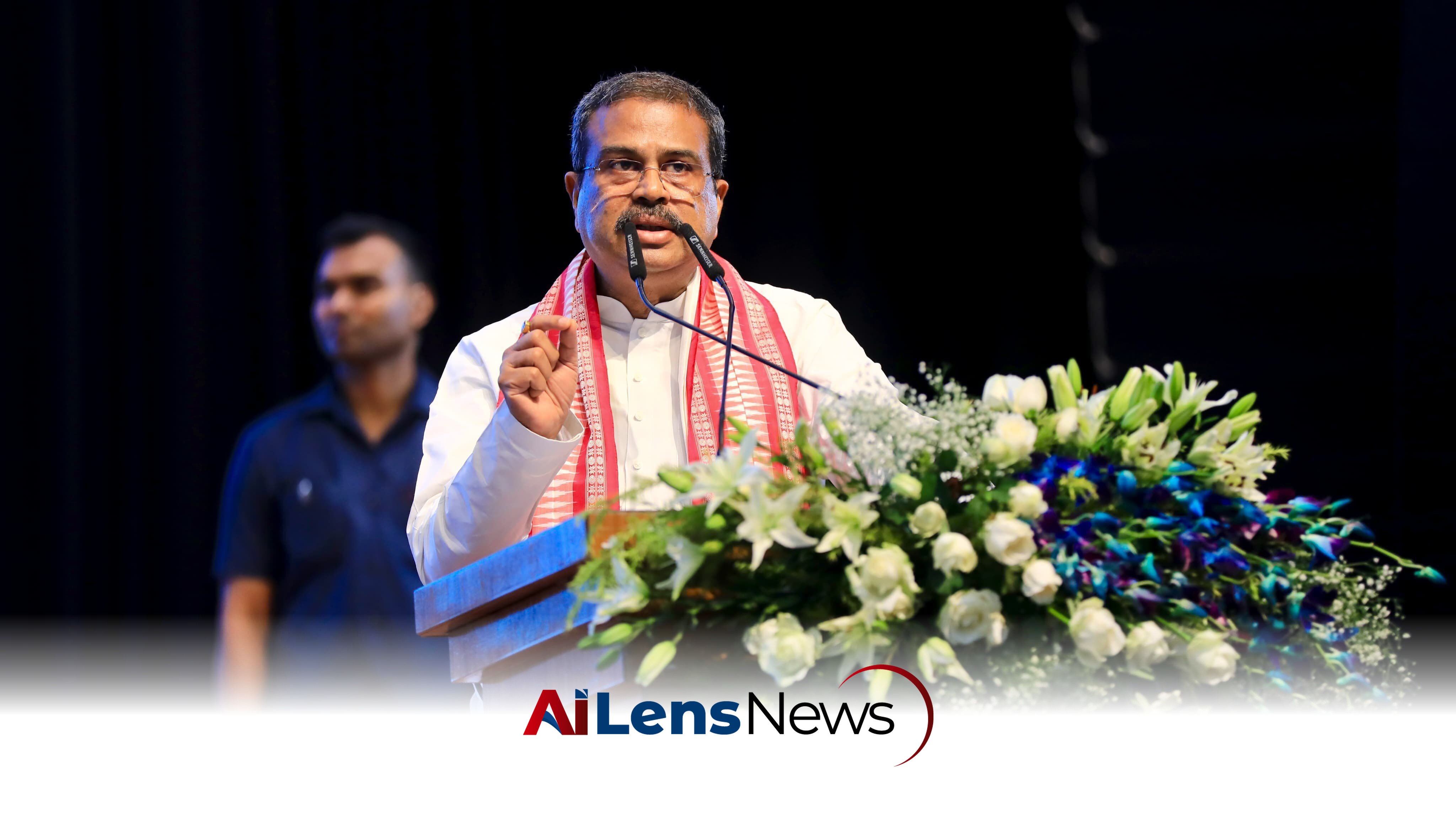


Dharmendra Pradhan resigns to protect students' interests amidst NEET-UG paper leak protests, citing fears of anti-national forces exploiting the situation.
Imphal, India Jul 25, 2026 ALN: Amid a nationwide uproar over alleged irregularities in the education sector and the NEET-UG paper leak controversy, Union Education Minister Dharmendra Pradhan, on Saturday, tendered his resignation to Prime Minister Narendra Modi, citing the need to protect students' interests and prevent further disruption.
Announcing his decision in a social media post addressed to the country's youth, Pradhan said his resignation is intended to ensure that students' futures are not adversely affected by the ongoing agitation and political developments surrounding the controversy. The NEET-UG (National Eligibility cum Entrance Test for Undergraduate) is a critical examination for students aspiring to enter medical colleges in India, and any irregularities in its conduct can have far-reaching implications for their educational careers.
"Keeping in mind that anti-national forces should not take advantage of the situation that has emerged at Jantar Mantar and elsewhere in the country, that national unity must remain intact, that the future of even a single student should not become entangled in legal complications, and that our children should devote their time to studies and focus on building their careers, I have sent my resignation to the Hon'ble Prime Minister," the letter in Hindi, read. This statement reflects the heightened sensitivity surrounding the issue, as protests and political tensions have escalated in response to the alleged irregularities.
pic.twitter.com/VSArqS98OJ
— Dharmendra Pradhan (@dpradhanbjp) July 25, 2026
Pradhan, who has faced mounting criticism over the NEET-UG controversy, said he has accepted responsibility from the outset and never attempted to distance himself from the crisis. His resignation points to the significant pressure that government officials face in the wake of public outcry, especially when it involves the future of students and the integrity of educational assessments.
Referring to the May 3 NEET-UG examination, he noted that irregularities surfaced after the test, prompting the Centre to order a CBI (Central Bureau of Investigation) investigation, cancel the examination, and conduct a re-test. The involvement of the CBI signifies the seriousness of the allegations, as it is the premier investigative agency in India, often called upon to handle high-profile cases involving corruption and malfeasance.
In an effort to prevent such issues from recurring, Pradhan highlighted the government's decision to shift the examination to a Computer-Based Test (CBT) format from next year. This transition is seen as a move towards modernization and increased transparency in the examination process, as computer-based testing can mitigate some forms of malpractice that may occur in traditional paper-based formats.
"From the very first day, I accepted responsibility and never turned away from this situation. My resolve was that we would not allow the prospects of any meritorious student to be ruined because of examination mafias, nor would we allow any student to suffer injustice," he said. This statement underscores the minister's commitment to ensuring fairness and integrity in the educational system, particularly in competitive examinations that determine students' futures.
The former minister said the government's immediate priority had been to ensure the smooth conduct of the re-examination for more than 20 lakh candidates through a "whole-of-government approach" involving the Centre, state governments, and district administrations. Coordinating such a large-scale examination requires meticulous planning and collaboration among various levels of government, reflecting the complexity of managing educational assessments in a populous nation like India.
He added that the June 21 re-test was conducted successfully with the cooperation of students and parents, while the results, declared on July 16, enabled many meritorious students from economically weaker backgrounds to secure admission opportunities. This aspect highlights the importance of equitable access to education and the role that fair examination processes play in leveling the playing field for students from diverse socioeconomic backgrounds.
Pradhan also alleged, without naming anyone, that certain individuals holding responsible positions had attempted to mislead students and create obstacles during the crisis. This allegation points to the broader issues of accountability and transparency within the education system, as well as the potential for vested interests to interfere with the integrity of examination processes.
"The developments of the past ten days have saddened me deeply. This is not a matter of personal prestige for me. India's youth power is the real strength of this nation," he said. This sentiment resonates with many in India, where the youth population plays a crucial role in shaping the country's future. The emphasis on youth empowerment and educational integrity is central to national development and progress.
The resignation comes a day after Prime Minister Narendra Modi, while replying to the debate on the anti-paper leak legislation and irregularities in competitive examinations in the Lok Sabha, outlined the Centre's actions against examination malpractice and defended the government's measures to safeguard students' interests. Modi's involvement indicates the high stakes associated with educational integrity, as the government seeks to reassure the public of its commitment to addressing these critical issues.
It also follows climate activist Sonam Wangchuk's decision to end his 26-day fast after receiving assurances from the Centre, even as student organisations and Opposition parties continued to demand accountability over the NEET-UG controversy and broader concerns surrounding the integrity of competitive examinations. Wangchuk's activism highlights the intersection of education, social justice, and environmental issues in India, as various stakeholders advocate for systemic reforms to improve the educational landscape.
The implications of Pradhan's resignation and the NEET-UG controversy extend beyond individual careers; they reflect a growing demand for accountability in the education sector. As students and parents demand transparency and fairness in examinations, the government may face increased pressure to implement reforms that ensure the integrity of the educational system. The situation underscores the need for robust mechanisms to prevent malpractice and protect students' interests, as well as the importance of fostering a culture of trust and integrity within educational institutions.
In conclusion, Dharmendra Pradhan's resignation amid the NEET-UG controversy serves as a critical moment in India's ongoing struggle to ensure fairness and transparency in its education system. The developments surrounding this issue will likely influence policy decisions and public perceptions of the government's commitment to safeguarding the future of its youth, as stakeholders continue to advocate for reforms that enhance the integrity of examinations and the educational experience in India.
To learn more about the latest developments in Political Controversies, stay updated with our exclusive reports and analyses on AiLensNews.

