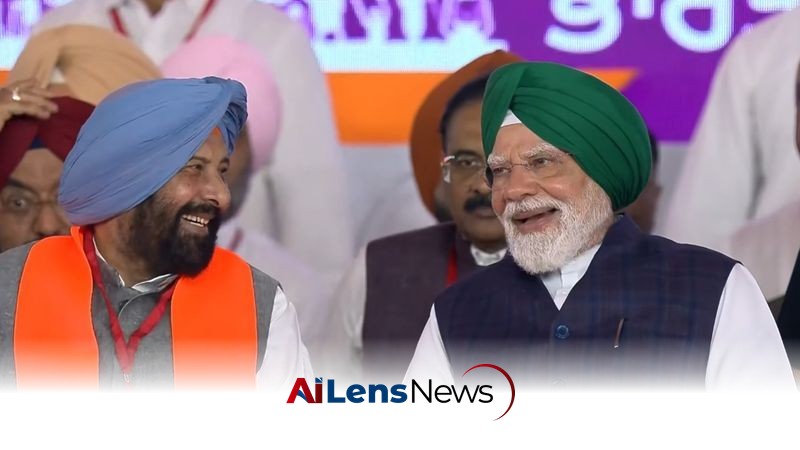


During his visit to Jalandhar, PM Modi announced significant projects worth Rs 23,000 crore aimed at enhancing Punjab's infrastructure, healthcare, and education.
Leh, India Jul 17, 2026 ALN: Prime Minister Narendra Modi's recent visit to Jalandhar on Friday has drawn significant attention, highlighting the Bharatiya Janata Party's (BJP) ongoing efforts to reshape Punjab's socio-economic landscape. During this visit, Modi underscored the party's commitment to fostering substantial change in the state, a region that has historically faced a myriad of challenges, including economic stagnation, agricultural distress, and youth unemployment. These issues have been compounded by the state's unique socio-political environment, which has often seen a complex interplay between regional aspirations and national policies.
One of the key highlights of Modi's speech at the Jind railway station was the inauguration of India’s first hydrogen-powered train, which is set to operate between Jind and Sonepat. This initiative is a notable milestone in India's broader strategy to transition towards sustainable energy solutions and reduce reliance on fossil fuels. The hydrogen-powered train is expected to not only improve the efficiency of rail transport but also contribute to lowering carbon emissions, aligning with global efforts to combat climate change. The introduction of this technology marks a significant step in modernizing India's railway infrastructure while addressing environmental concerns, which have become increasingly critical in recent years.
Modi's visit was characterized by the announcement of various developmental projects totaling Rs 23,000 crore. These projects are strategically aimed at revitalizing crucial sectors such as road infrastructure, healthcare, and education, which are vital for enhancing the quality of life for Punjab's residents. The allocation of such a significant amount reflects the central government's recognition of Punjab's potential and the need for immediate intervention to address its pressing issues. Historically, Punjab has been a key agricultural hub, but recent years have seen a decline in its economic performance, necessitating a comprehensive approach to development.
Among the major initiatives announced, the Prime Minister laid the foundation stones for several road projects. Improved road connectivity is essential for economic growth, as it facilitates the movement of goods and services, thereby enhancing trade and commerce within the state. The focus on infrastructure development is particularly important in Punjab, where the existing road networks in many areas are inadequate and in need of modernization. Better roads can lead to a reduction in transportation costs, increased access to markets for farmers, and improved overall economic activity.
In addition to infrastructure, Modi placed a strong emphasis on healthcare improvements. He articulated the government's commitment to ensuring accessible and quality medical services for all citizens, a promise that resonates deeply in a state where healthcare facilities are often stretched thin. The proposed healthcare initiatives aim to bolster the existing medical infrastructure, making it more resilient and capable of catering to the needs of the population. This focus is particularly pertinent given the challenges posed by the COVID-19 pandemic, which exposed significant gaps in the healthcare system.
Education emerged as another focal point during Modi's address. The Prime Minister highlighted plans to enhance facilities and resources in schools and colleges across Punjab. Education is a cornerstone for sustainable development, and by investing in this sector, the government aims to empower the youth, equipping them with the skills necessary to thrive in a rapidly changing job market. The emphasis on education also reflects a recognition of the need to address youth unemployment, which has been a pressing issue in Punjab, particularly among graduates.
The launch of the hydrogen-powered train is a landmark achievement in India's push towards sustainable transportation. This initiative not only signifies a step towards reducing carbon emissions but also showcases India's commitment to innovative technologies in the railway sector. The use of hydrogen as a fuel source is particularly significant as it represents a shift towards cleaner energy alternatives, which is crucial for addressing environmental concerns. The move towards hydrogen fuel aligns with global trends in transportation, where many countries are exploring similar technologies to reduce their carbon footprints.
Modi's assertion that "Only the BJP can bring real change to Punjab" is a strategic move aimed at rallying support for the party ahead of upcoming elections. His remarks reflect the BJP's vision for Punjab's future, one that is filled with opportunities and growth. By positioning the party as the harbinger of change, Modi seeks to consolidate support among the electorate, particularly in light of the challenges the state has faced in recent years. This political strategy is evident as the BJP aims to expand its influence in a region traditionally dominated by other political parties.
During his address, the Prime Minister also took the time to engage with local leaders and community members, encouraging them to actively participate in the development process. This approach underscores the importance of grassroots involvement in governance, as local communities are often best positioned to identify their needs and contribute to solutions. Modi's emphasis on collective efforts reflects a broader strategy aimed at fostering a sense of ownership among citizens regarding their development. This participatory approach is crucial for ensuring that the initiatives announced are effectively implemented and meet the actual needs of the population.
As Modi concluded his visit, he reiterated the BJP's commitment to the welfare of Punjab, promising that the government would continue to work tirelessly to ensure the state's progress and prosperity. This commitment is particularly crucial as Punjab navigates its challenges, including the need for economic revitalization and social cohesion. The state's demographic diversity, with a mix of urban and rural populations, requires tailored policies that address the unique needs of different communities.
In summary, PM Modi's visit to Jalandhar not only marked the launch of significant projects but also served as a platform for the BJP to reinforce its commitment to the people of Punjab. The initiatives announced during this visit, particularly in the areas of infrastructure, healthcare, and education, are poised to have a lasting impact on the state's development trajectory. The focus on sustainable transportation through the hydrogen-powered train further underscores the government's intent to embrace innovation in addressing contemporary challenges. As Punjab looks towards the future, the implications of these announcements could be profound, potentially transforming the state into a hub of development and prosperity. The successful implementation of these projects will be closely watched, as they may set a precedent for similar initiatives across the country, highlighting the importance of targeted government intervention in regional development.
To learn more about the latest developments in Elections, stay updated with our exclusive reports and analyses on AiLensNews.

