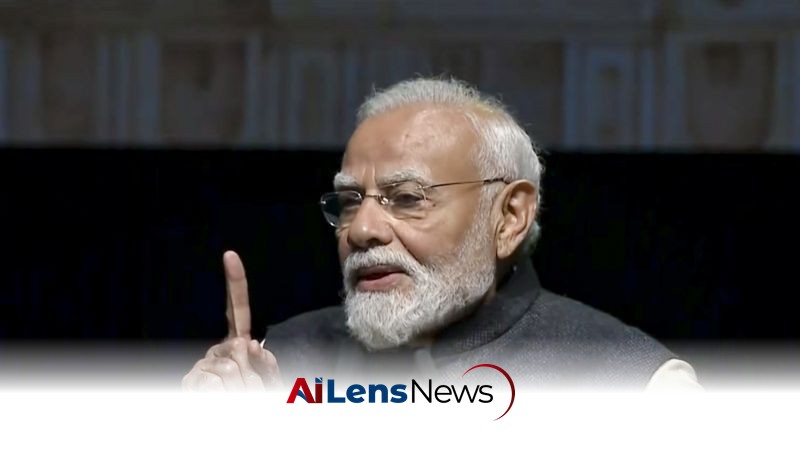


During the NDA parliamentary party meeting, PM Modi stressed the need for top legal representation to ensure accountability in the NEET paper leak case.
Leh, India Jul 21, 2026 ALN: In a recent NDA parliamentary party meeting, Prime Minister Narendra Modi addressed the ongoing controversy surrounding the NEET paper leak, emphasizing that the matter should not be viewed through a partisan lens. He asserted the government's commitment to addressing the issue swiftly and effectively. This incident has garnered significant attention across the nation, raising critical questions about the integrity of one of India's most important examinations, the National Eligibility cum Entrance Test (NEET), which is essential for students seeking admission to medical colleges.
The NEET examination is a pivotal component of the Indian education system, determining the future of countless students aspiring to enter the medical profession. Given its importance, any compromise in the examination's integrity can have far-reaching consequences, not only for the students involved but also for the healthcare system as a whole. The recent leak has sparked outrage among students, parents, and educators, leading to calls for immediate action and accountability.
Modi highlighted the immediate actions taken by the government following the leak, stating that it was crucial to ensure that those responsible are held accountable. He called for the hiring of top lawyers to prosecute the guilty parties, underscoring the seriousness of the situation. The Prime Minister's proactive stance reflects a broader commitment to uphold the sanctity of educational assessments and restore trust in the system.
The Prime Minister's remarks came in light of widespread public concern regarding the integrity of the NEET examination process. The government has faced criticism for its handling of the situation, and Modi's statements aim to reassure the public that decisive steps are being taken. Following the leak, the Ministry of Education initiated an internal review and established a task force to investigate the circumstances surrounding the incident.
In addition to legal actions, the government is also exploring reforms to enhance the security of examination processes. This includes the implementation of advanced technology to monitor examination centers and the introduction of stricter regulations for examination conduct. These measures aim to deter any future attempts at malpractice and ensure that the examination remains a fair and equitable process for all candidates.
By advocating for the engagement of top legal professionals, Modi seeks to ensure that the prosecution is robust and effective. This move is intended to restore public confidence in the examination system and demonstrate the government's commitment to transparency and accountability. Legal experts will play a crucial role in navigating the complexities of the case, ensuring that all evidence is thoroughly examined, and that justice is served in a timely manner.
The involvement of skilled lawyers not only enhances the prosecution's chances of success but also signals to the public that the government is taking the issue seriously. The legal proceedings will likely attract significant media attention, and the outcomes may set important precedents for how similar cases are handled in the future. This could potentially lead to more stringent regulations and oversight in educational assessments across the country.
Modi's insistence on a non-partisan approach is significant, as it aims to unify various political factions in addressing the issue. The Prime Minister's call for collective action reflects a desire to move beyond political divides and focus on the integrity of the education system. This approach could foster a collaborative environment where all parties work together to enhance the quality and reliability of educational assessments.
The NEET paper leak has the potential to become a focal point in the upcoming political discourse, with various parties likely to position themselves in relation to the government's response. By advocating for a unified stance, Modi may be attempting to mitigate any political fallout and emphasize the importance of education as a non-partisan issue.
As the government prepares to take further action, it remains to be seen how the legal proceedings will unfold and what measures will be implemented to prevent future incidents. The Prime Minister's leadership in this matter will be closely monitored by both the public and political analysts. The outcomes of the investigations and subsequent legal actions will likely have implications for the broader education system, impacting how examinations are conducted and regulated.
Furthermore, the government's handling of this situation could influence public perception ahead of future elections, as voters assess the efficacy of the administration in addressing critical issues affecting their lives. The NEET paper leak incident serves as a reminder of the challenges faced by educational institutions and the need for ongoing vigilance to protect the integrity of academic assessments.
In conclusion, PM Modi's statements at the NDA meeting highlight the government's proactive stance on the NEET paper leak issue, emphasizing the need for legal expertise and a unified approach to ensure justice. The commitment to transparency and accountability will be crucial in restoring public trust in the examination system and ensuring that future candidates can pursue their educational aspirations without fear of malpractice. As the situation develops, it will be essential for the government to maintain open lines of communication with the public, providing updates on the investigation and the steps being taken to safeguard the integrity of the NEET examination.
To understand the implications of the NEET paper leak, one must consider the broader context of educational integrity in India. NEET is not only a gateway for aspiring medical professionals but also a reflection of the rigorous standards that the Indian education system aims to uphold. The examination is designed to test the knowledge and aptitude of students, ensuring that only the most qualified candidates gain entry into medical colleges. Any compromise in this process threatens not only individual careers but also the overall quality of healthcare in the country.
Moreover, the NEET examination process has been under scrutiny for various reasons, including allegations of favoritism, corruption, and inefficiency in the assessment system. Previous incidents of malpractice have led to calls for comprehensive reforms, which have been slow to materialize. The current paper leak incident could serve as a catalyst for much-needed changes in how examinations are conducted and regulated in India. The government's response could set a precedent for future educational policies and reforms, emphasizing the importance of integrity and transparency in academic assessments.
Additionally, the NEET paper leak may also have implications for the mental health and well-being of students involved. The pressure to perform well in such a high-stakes examination can be overwhelming, and incidents like this can exacerbate anxiety and stress among students. The government’s swift action to address the leak and ensure accountability may help alleviate some of this pressure, but it is also crucial to provide support systems for students to cope with the emotional fallout from such incidents.
As the investigation unfolds, stakeholders from various sectors, including educational institutions, government bodies, and civil society, will be watching closely to see how the situation is managed. The emphasis on a non-partisan approach is particularly noteworthy, as it suggests a recognition of the need for collective action in safeguarding the future of education in India. The outcome of this incident may well shape the trajectory of educational reforms in the country, making it imperative for all parties to come together to uphold the integrity of the examination process.
In summary, the NEET paper leak has triggered a significant response from the government, with Prime Minister Modi's statements reflecting a commitment to transparency, accountability, and reform. The implications of this incident extend beyond legal proceedings; they touch upon the very foundations of the educational system in India and its impact on future generations. As the government navigates this complex issue, the focus on maintaining the integrity of educational assessments will be critical in restoring trust and ensuring that the aspirations of countless students are met with fairness and equity.
To learn more about the latest developments in Political Controversies, stay updated with our exclusive reports and analyses on AiLensNews.

