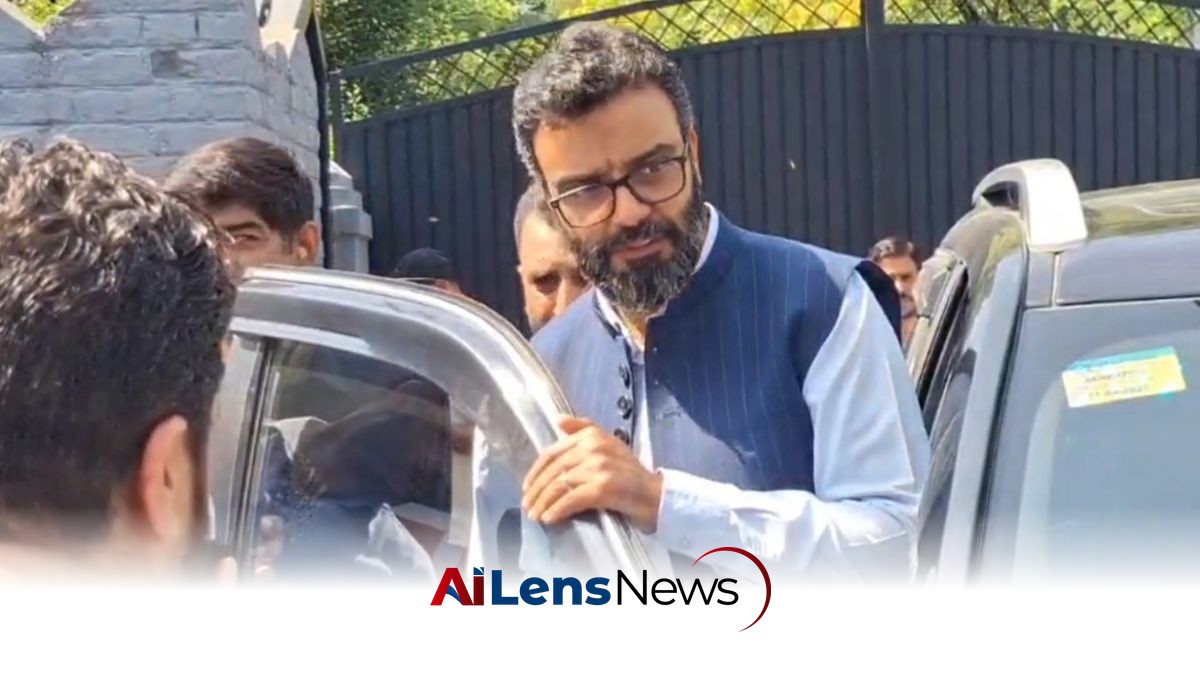


MP Ruhullah mourns the loss of Dr. Mustafa Kamal, highlighting his significant contributions to the National Conference and its ideology.
Leh, India Jul 15, 2026 ALN: In a heartfelt statement, Member of Parliament Ruhullah expressed profound sorrow over the passing of Dr. Mustafa Kamal, a prominent figure in the National Conference (NC). He emphasized that Dr. Kamal's death represents a significant loss not only to the party but also to its foundational ideology. The National Conference, established in 1932, has played a crucial role in the political landscape of Jammu and Kashmir, advocating for the rights of the people and striving for social justice and equality. Dr. Kamal's contributions to the party were integral to its evolution and its ongoing relevance in contemporary politics.
Dr. Mustafa Kamal was known for his unwavering commitment to the principles of the NC, advocating for the rights and welfare of the people. His contributions to the party's vision and mission were invaluable, and his absence will be felt deeply by party members and supporters alike. Over the years, Dr. Kamal served in various capacities within the party, including as a spokesperson and member of the working committee, where he played a vital role in articulating the party's stance on numerous issues, including governance, development, and social equity.
Ruhullah recalled Dr. Kamal's dedication to public service, noting that he was a guiding force for many within the NC. His leadership and insights were instrumental in shaping the party's policies and strategies over the years. Dr. Kamal was not only a political leader but also a mentor to many young politicians, emphasizing the importance of integrity, transparency, and accountability in governance. His ability to connect with the grassroots and understand the concerns of ordinary citizens made him a beloved figure among constituents.
As the news of Dr. Kamal's demise spread, tributes poured in from various quarters, reflecting the respect and admiration he garnered throughout his career. Political leaders from different parties acknowledged his contributions and expressed their condolences, highlighting the impact he had on the political discourse in the region. Such expressions of sympathy underscore the fact that Dr. Kamal's influence extended beyond party lines; he was recognized for his commitment to the democratic process and his efforts to foster dialogue and cooperation among various political factions.
Ruhullah urged party members to honor Dr. Kamal's legacy by continuing to uphold the values he championed. This call to action is significant as the National Conference navigates a challenging political environment marked by changing demographics, shifting allegiances, and evolving public expectations. The party has historically been a proponent of secularism and inclusivity, and maintaining these principles will be crucial for its future relevance and success.
In conclusion, MP Ruhullah called for unity among party members during this difficult time, encouraging them to carry forward Dr. Kamal's vision for a better future for all. This emphasis on unity is particularly pertinent as the National Conference faces internal and external challenges. The party has been working to re-establish its position in a rapidly changing political landscape, where new parties and movements have emerged, often appealing to younger voters with different priorities and aspirations.
Dr. Kamal's passing also raises questions about the future leadership of the National Conference. As the party reflects on its direction and strategies, it will need to consider how to engage with a new generation of voters who may have different expectations from their political representatives. The NC has historically been rooted in the Kashmir Valley, but as demographic shifts occur, including increased migration and urbanization, the party must adapt its message and outreach efforts to remain relevant.
Furthermore, Dr. Kamal's death comes at a time when Jammu and Kashmir is experiencing significant political and social changes. The abrogation of Article 370 in 2019, which granted special status to the region, has led to a reconfiguration of political alliances and power dynamics. In this context, the National Conference must navigate its role in advocating for the rights of the people while also addressing the broader implications of these changes on governance and civil liberties.
In the wake of Dr. Kamal's passing, the party may also need to reassess its approach to coalition-building and collaboration with other political entities. The landscape of Jammu and Kashmir politics is complex, and forming alliances with like-minded parties could be essential for advancing shared goals and addressing the pressing issues facing the region, such as development, employment, and social justice.
Dr. Mustafa Kamal leaves behind a legacy that will undoubtedly influence the National Conference and its members for years to come. His commitment to public service, advocacy for the marginalized, and dedication to the party's core values serve as a reminder of the importance of principled leadership in the ever-evolving political arena. As the National Conference mourns his loss, it also stands at a crossroads, tasked with honoring his contributions while forging a path forward in a challenging and dynamic environment.
The National Conference has a storied history as one of the oldest political parties in Jammu and Kashmir, deeply intertwined with the region's socio-political fabric. Founded by Sheikh Abdullah, the party has historically championed the cause of the Kashmiris, advocating for their rights and interests against various political and social injustices. Dr. Kamal's involvement with the NC was a continuation of this legacy, as he worked tirelessly to uphold the party's principles amidst evolving challenges.
Dr. Kamal's political journey reflects the broader narrative of Jammu and Kashmir's tumultuous history, marked by conflict, political strife, and aspirations for self-determination. His efforts were not merely confined to party politics; they extended into the realms of social justice, economic development, and community empowerment. His advocacy for marginalized communities and his commitment to inclusive governance were hallmarks of his political career.
As the National Conference grapples with the implications of Dr. Kamal's passing, it is essential to recognize the shifting political landscape of Jammu and Kashmir. The region has witnessed significant changes in governance and political representation, particularly following the revocation of Article 370, which altered the relationship between Jammu and Kashmir and the central government. This shift has had profound implications for local governance, civil rights, and the political engagement of citizens.
In light of these changes, the National Conference faces the challenge of redefining its role and strategy to remain relevant. The party's historical commitment to secularism, social justice, and the rights of the people will be tested as it navigates a new political reality. Engaging with younger voters who may prioritize different issues, such as employment opportunities and education, will be crucial for the party's future success.
Moreover, the NC's approach to coalition politics will likely evolve in response to the changing dynamics of Jammu and Kashmir. Building alliances with other parties that share similar values and goals could enhance the party's ability to influence policy and advocate for the needs of the people. As political affiliations shift and new parties emerge, the National Conference must remain adaptable and responsive to the aspirations of its constituents.
In conclusion, the legacy of Dr. Mustafa Kamal serves as both an inspiration and a challenge for the National Conference. His dedication to public service, advocacy for social equity, and commitment to the party's core values will continue to resonate within the party and the wider community. As the NC mourns his loss, it must also reflect on its future direction, ensuring that it remains a relevant and effective voice for the people of Jammu and Kashmir in the face of ongoing challenges and changes.
To learn more about the latest developments in Political History & Legacy, stay updated with our exclusive reports and analyses on AiLensNews.

