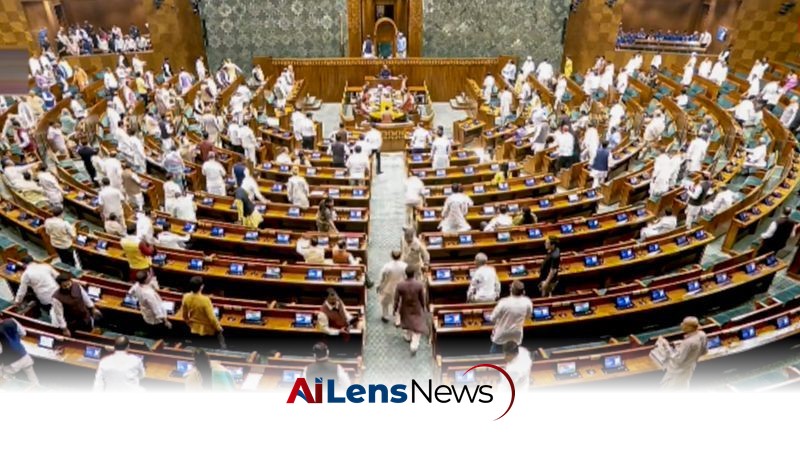


The government is strategizing to advance the delimitation and women quota bills, seeking support from rebel MPs and opposition parties to achieve a two-thirds majority.
Leh, India Jul 18, 2026 ALN: The government is gearing up for a renewed effort to push forward the delimitation and women quota bills, aiming to secure a two-thirds majority in Parliament. This initiative comes at a time when the political landscape is increasingly complex, necessitating strategic alliances and negotiations. The introduction of these bills reflects broader societal changes and pressures for reform, particularly in the context of representation and equality.
The delimitation bill is particularly significant as it proposes to redraw the boundaries of electoral constituencies, a process that is crucial for ensuring fair representation based on current population demographics. Over the years, many constituencies have become misaligned with population shifts, leading to disparities that can affect electoral outcomes. For instance, areas with rapid population growth may find themselves underrepresented, while regions with declining populations might have a disproportionate influence. By addressing these imbalances, the government hopes to create a more equitable electoral framework that more accurately reflects the demographic realities of the nation.
The delimitation process is essential for updating the electoral map based on population changes. This bill aims to address disparities in representation that have arisen over the years. By redrawing constituency boundaries, the government hopes to create a more equitable electoral framework. The last delimitation exercise in many regions was conducted years ago, and since then, significant demographic changes have occurred. This has led to calls from various civil society groups and political analysts advocating for a revision of constituency boundaries to ensure that every vote carries equal weight.
However, the path to passing the delimitation bill is fraught with challenges. The government needs to navigate the complexities of political alliances and opposition resistance. Engaging with rebel MPs is a strategic move to consolidate votes, as their support could be pivotal in achieving the necessary majority. The opposition parties may view the delimitation bill with skepticism, fearing that it could be used to undermine their electoral prospects or that it may favor certain regions over others. This skepticism can lead to intense debates and negotiations as the government seeks to reassure opposition members about the fairness and transparency of the process.
Moreover, public sentiment plays a crucial role in the success of such legislative measures. If the general populace perceives the delimitation process as politically motivated or lacking in transparency, it could lead to public backlash, further complicating the government's efforts. To mitigate these risks, it is essential for the government to communicate clearly about the objectives of the delimitation bill and how it intends to implement the changes fairly.
Alongside the delimitation bill, the government is also prioritizing the women quota bill, which aims to reserve a certain percentage of seats for women in legislative bodies. This bill is part of a broader effort to enhance women's representation in politics and ensure that their voices are heard in decision-making processes. Historically, women's participation in politics has been significantly lower than that of men, often due to systemic barriers and societal norms that discourage female engagement in public life.
The push for the women quota bill aligns with global trends advocating for gender equality and women's empowerment. Many countries have implemented similar measures, recognizing that diverse representation leads to more comprehensive and inclusive governance. By reserving seats for women, the government aims to create an environment where women can contribute to policy-making and governance, thereby enriching the political discourse.
To successfully pass the women quota bill, the government is actively engaging with various political parties, including those in opposition. Building a consensus around this bill is crucial, as it reflects a commitment to gender equality and empowerment. The government may face opposition from traditionalists who argue against quotas, believing that merit should be the sole criterion for political representation. Addressing these concerns while emphasizing the importance of equal opportunities for women will be vital in gaining broader support.
Furthermore, the government may also need to work alongside civil society organizations and women's advocacy groups to mobilize public support for the women quota bill. Grassroots movements can play a significant role in amplifying the voices of women and highlighting the need for increased representation. As public awareness grows, it can create a more favorable environment for the passage of the bill.
As the government embarks on this legislative journey, the success of the delimitation and women quota bills will depend on its ability to forge strategic alliances and navigate the political landscape effectively. The coming weeks will be critical as discussions unfold and votes are secured. The implications of these bills extend beyond the immediate political context; they reflect a broader commitment to democratic principles and social justice. Should these bills pass, they could serve as a catalyst for further reforms aimed at enhancing representation and inclusivity in governance.
Ultimately, the successful implementation of the delimitation bill and the women quota bill could set a precedent for future legislative efforts aimed at addressing systemic inequalities. It is a pivotal moment for the government, as it seeks to balance the interests of various political factions while also responding to the demands of the electorate for greater fairness and representation. As the political dynamics evolve, stakeholders will be closely watching how these initiatives unfold and what they mean for the future of governance in the country.
To learn more about the latest developments in Policies & Reforms, stay updated with our exclusive reports and analyses on AiLensNews.

