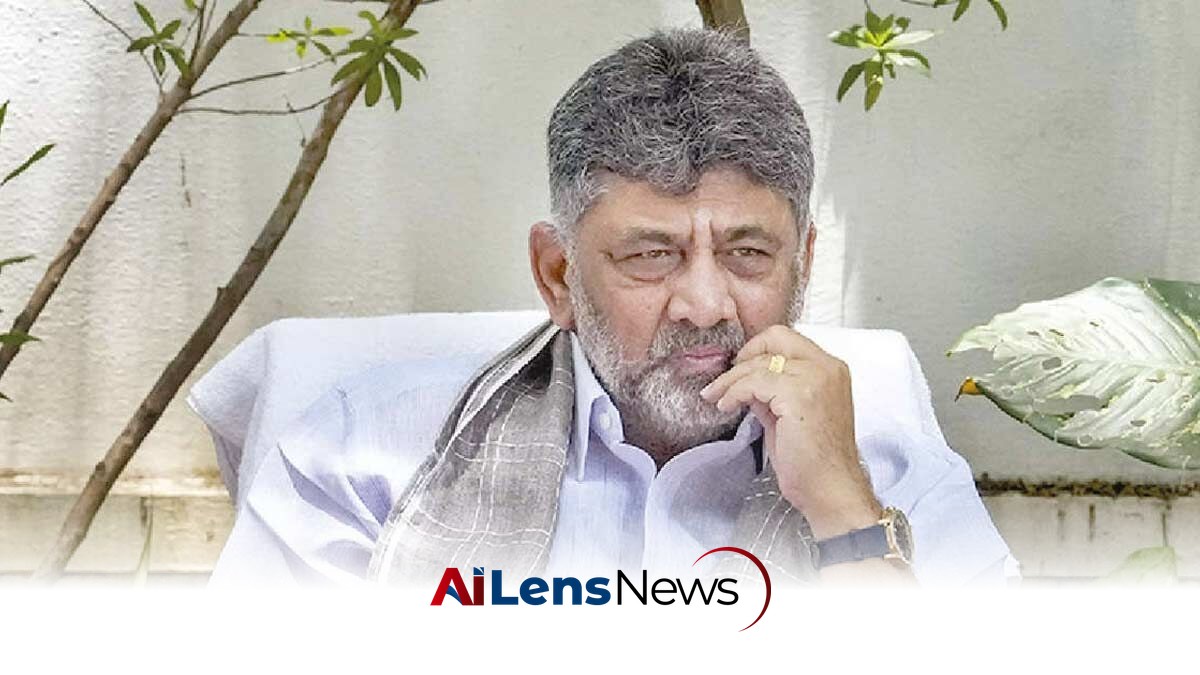


D K Shivakumar expresses concerns about the Special Intensive Revision of electoral rolls, warning that poor voters risk losing their voting rights.
Bengaluru, India May 25, 2026 ALN: Bengaluru: Karnataka Deputy Chief Minister D K Shivakumar on Sunday expressed concern over the Special Intensive Revision (SIR) of electoral rolls, alleging that poor voters across the country were at risk of losing their voting rights if they failed to complete documentation requirements. The electoral roll revision process, which is conducted periodically to update the list of eligible voters, has come under scrutiny as it can significantly impact voter participation, particularly among marginalized communities.
Shivakumar's remarks highlight a pressing issue within the democratic framework of India, where the right to vote is a fundamental aspect of citizenship. He emphasized the need for governments and political parties to ensure that economically weaker sections of society are not excluded from the electoral process due to a lack of awareness or because of migration for work. This concern is particularly relevant in a country like India, where a substantial portion of the population lives in poverty and many individuals migrate to urban areas in search of better employment opportunities.
“Look, because of SIR, a lot of harm is happening in this country. Poor people still do not fully understand this process. In some states, they are removing 50 lakh, 60 lakh, even 90 lakh names like this,” Shivakumar, who is also the Congress Karnataka unit president, said. The mention of such significant numbers raises alarm about the potential disenfranchisement of millions of voters, particularly those who may not have access to the necessary information or resources to navigate the complexities of the electoral roll revision process.
Noting that the issue transcended party lines, Shivakumar stated, “Whether they are Congress Party supporters or BJP supporters, we do not care -- all poor voters must individually submit applications for this. If they do not submit applications, they will lose their voting rights.” This statement underscores the non-partisan nature of the issue, as it affects all voters, regardless of their political affiliations. The emphasis on individual applications also points to a systemic challenge within the electoral process, where the onus is placed on voters to ensure their participation without adequate support from the government.
Shivakumar warned that losing voting rights could have wider implications for welfare entitlements. “Once they lose their voting rights, how will they be recognised in any way? Tomorrow it could affect pensions, the five guarantee schemes, housing, sites, land - they could lose everything,” he said. The connection between voting rights and access to welfare benefits is a critical concern, as it suggests that disenfranchisement could lead to a cascading effect on the livelihoods of vulnerable populations.
The Deputy Chief Minister was referring to the five guarantees the Congress government has initiated, which are aimed at providing financial and social support to the economically disadvantaged. These schemes include ‘Gruha Jyothi,’ which offers 200 units of electricity free to every household; the ‘Gruha Lakshmi’ scheme, promising Rs 2,000 to every woman head of a family; and ‘Anna Bhagya,’ which provides 10 kg of rice to every member of the Below Poverty Line (BPL) family each month.
Additionally, the ‘Yuva Nidhi’ scheme promises financial assistance to unemployed graduates and diploma holders, while the ‘Shakti’ scheme allows women in Karnataka to travel for free on government non-luxury buses. These programs are designed to enhance the quality of life for low-income individuals and families, but their effectiveness may be compromised if beneficiaries are unable to vote, thereby losing their voice in the political process.
Shivakumar emphasized that governments must assist citizens in obtaining the required documents and ensure that no eligible voter is excluded. “As a responsible government, we must provide all the documents they (people) require. Nothing should go wrong from our side, and nothing should go wrong from the government’s side. Justice must be done to everyone,” he said. This call for accountability highlights the role of government in facilitating voter participation and ensuring that the electoral process is accessible to all citizens, particularly those from disadvantaged backgrounds.
The Deputy Chief Minister pointed out that migrant workers and elderly voters are especially vulnerable to exclusion. “Poor old people, what would they know? They may be working somewhere else. Nowadays people have migrated everywhere, to Goa, Mumbai, Bengaluru and other places,” he said. Migration for work is a common phenomenon in India, and it can complicate the electoral process for those who may not have stable residency or who may not be aware of the need to update their voter registration status.
Shivakumar noted that many people fear the removal of their names from voter lists due to procedural lapses. In response, he indicated that political parties would mobilize booth-level workers to spread awareness and assist voters in retaining their electoral franchise. “Within our party too, we will appoint BLAs and everyone will work on this,” he said. This proactive approach aims to bridge the gap between the electoral process and the electorate, ensuring that voters are informed and empowered to participate in elections.
Moreover, Shivakumar warned against linking welfare benefits with electoral exclusion. He stated, “Tomorrow morning, if all those schemes disappear -- rice through ration cards, Gruha Lakshmi money, Gruha Jyothi benefits -- what will they say? The moment they are told they have no vote, their benefits will also be taken away.” This statement raises ethical concerns about the potential for coercive practices that could undermine the democratic process and exploit vulnerable populations.
When asked about speculation surrounding a possible Cabinet expansion and reported discontent among legislators ahead of a Congress meeting, Shivakumar dismissed the suggestions. “There is no confusion, nothing of that sort, nothing at all,” he said. This response reflects the ongoing dynamics within the Congress party as it navigates internal challenges while addressing pressing issues such as electoral roll revisions and the welfare of its constituents.
In conclusion, the concerns raised by Deputy Chief Minister D K Shivakumar regarding the Special Intensive Revision of electoral rolls highlight the critical intersection of electoral participation and social welfare in India. As the country prepares for future elections, it is imperative that both government and civil society work collaboratively to ensure that all eligible voters, particularly those from economically disadvantaged backgrounds, are informed, supported, and able to exercise their right to vote. The implications of disenfranchisement extend beyond the electoral sphere, affecting access to essential services and benefits that are vital for the survival and dignity of millions of citizens.
To learn more about the latest developments in Elections, stay updated with our exclusive reports and analyses on AiLensNews.

