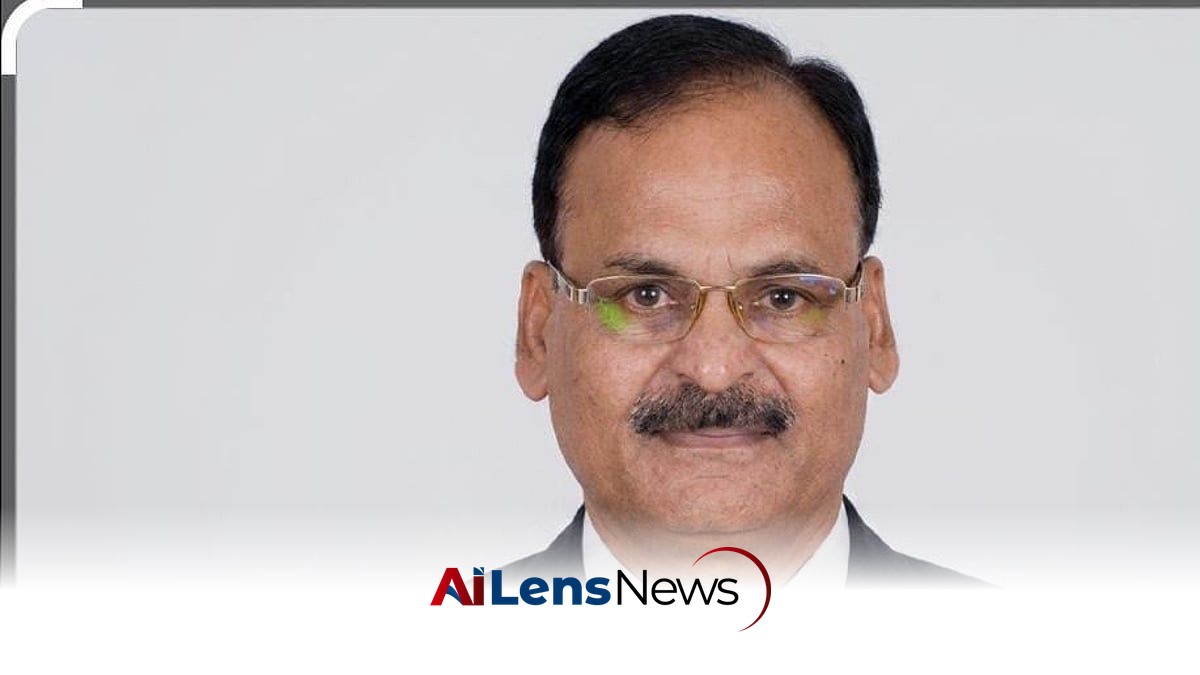


Karnataka Governor Thawar Chand Gehlot has suspended KPSC Chairperson Shivashankarappa S Sahukar amid allegations of facilitating illegal job placements for his daughters.
New Delhi, India Jul 13, 2026 ALN: Karnataka Governor Thawar Chand Gehlot has officially suspended Shivashankarappa S Sahukar, the Chairperson of the Karnataka Public Service Commission (KPSC), amid serious allegations surrounding nepotism and misuse of authority. The allegations suggest that Sahukar facilitated job placements for his two daughters through the commission, actions that are purportedly in violation of established legal protocols and ethical standards governing public service appointments. This incident has sparked widespread discussions about the integrity of public services in Karnataka, emphasizing the need for accountability and transparency in recruitment processes.
The suspension is a significant development in the ongoing scrutiny of public service recruitment processes in Karnataka. The governor's decision reflects a growing concern over the integrity of public institutions, especially in light of previous allegations of corruption within various governmental departments. The governor has taken the additional step of recommending that the matter be referred to the Supreme Court for a thorough investigation under Article 317(1) of the Indian Constitution. This article provides a framework for the removal of members of a public service commission, stipulating that such actions can only be undertaken by the President following a formal inquiry by the Supreme Court that substantiates the allegations made. The invocation of this constitutional provision highlights the seriousness of the allegations and the potential ramifications for Sahukar and the KPSC.
In a statement released from the Karnataka Lok Bhavan, Governor Gehlot emphasized the necessity for a transparent and impartial investigation. He stated, "To further ensure a fair, impartial and uninfluenced investigation while protecting the integrity and credibility of KPSC, the Governor has placed the Chairman under suspension until further orders from the President’s office." This remark underscores the gravity of the situation and the potential implications for the integrity of the KPSC and public trust in the recruitment process. The governor's proactive stance is indicative of the increasing pressure on public officials to uphold ethical standards and maintain public confidence in governmental institutions.
The controversy surrounding Sahukar’s alleged actions gained traction when Union Minister Pralhad Joshi formally reached out to both Governor Gehlot and Chief Minister DK Shivakumar, urging for a transparent investigation. Joshi’s intervention reflects the heightened political sensitivity surrounding the issue and the expectation for accountability within public institutions. The call for transparency is particularly relevant given the historical context of recruitment processes in India, which have often been marred by allegations of corruption and favoritism. The involvement of a Union Minister signifies the potential political ramifications of the case, as it may influence public perception and trust in the ruling government.
In a further development, the Vidhana Soudha police have registered a First Information Report (FIR) against Suma S Sahukar, one of Sahukar’s daughters, for allegedly presenting false income and asset certificates during the recruitment process. The allegations claim that Suma obtained an income certificate that inaccurately declared her annual income as merely Rs 40,000. This figure raises questions about the authenticity of her claims and the legitimacy of her subsequent job placement. The investigation into this matter is likely to delve into the broader implications of such practices on the recruitment process and the potential for systemic corruption within public service appointments.
Suma is reported to have secured a position as a Junior Engineer in the Department of Industries and Commerce in March 2024. She also allegedly obtained a 3B reservation certificate, which is intended for candidates from specific backward classes in Karnataka. Meanwhile, Sahukar's other daughter is stated to have been selected under the general merit category for the Hyderabad and Karnataka cadre, further complicating the narrative surrounding the family’s recruitment success. The dual nature of the allegations against both daughters raises important questions about the adherence to established recruitment guidelines and the potential for nepotism within the KPSC.
The governor has pointed to a government order dated March 30, 2002, which explicitly states that children of the chairman of a public service commission are prohibited from claiming reservations under the backward classes quota. This order is pivotal, as it underscores the legal and ethical boundaries that are purportedly violated in this case. The implications of this order are significant, as they highlight the importance of maintaining a level playing field in public service recruitment, especially in a diverse state like Karnataka. The existence of such regulations is intended to prevent conflicts of interest and ensure that all candidates are evaluated based on merit rather than familial connections.
Shivashankarappa S Sahukar was appointed as the chairperson of the KPSC in 2021, a position that carries considerable responsibility and influence over public service appointments in the state. The KPSC plays a crucial role in ensuring that recruitment processes are conducted fairly and transparently, a mandate that is now under scrutiny due to these allegations. The public perception of the KPSC’s integrity is at stake, and the outcome of the investigation could have far-reaching consequences for the commission and its operations. If the allegations are substantiated, it could lead to calls for reform within the KPSC and a reevaluation of the processes that govern public service recruitment in Karnataka.
In light of the suspension, the governor has appointed Dr. B Prabhudev, the senior-most member of the commission, as the acting chairperson. This decision aims to ensure continuity in the commission's functions while the investigation is underway. The appointment of an acting chairperson is a standard protocol in such situations, designed to maintain the operational integrity of the commission amidst allegations of misconduct by its head. This move is crucial for restoring confidence in the KPSC during a period of uncertainty and scrutiny.
This situation reflects broader issues within the Indian public service framework, where allegations of nepotism and corruption are not uncommon. The outcome of this case could set a precedent for how similar allegations are handled in the future, potentially leading to reforms in the recruitment process and greater accountability for public officials. The case also highlights the ongoing challenges faced by regulatory bodies in maintaining public trust and ensuring that recruitment processes are fair and equitable for all candidates. The implications of this case extend beyond the immediate allegations against Sahukar and his daughters, touching upon the integrity of public institutions and the need for transparent governance in India.
As the investigation unfolds, it will be essential to monitor the responses from various stakeholders, including political leaders, civil society organizations, and the general public. The implications of this case extend beyond the immediate allegations against Sahukar and his daughters, touching upon the integrity of public institutions and the need for transparent governance in India. The KPSC's reputation and the trust of the public in its processes hang in the balance as this situation develops. The outcome of this case may influence future policy decisions regarding recruitment practices and could lead to increased scrutiny of public service commissions across the country, emphasizing the necessity of ethical governance in public institutions.
To learn more about the latest developments in Political Controversies, stay updated with our exclusive reports and analyses on AiLensNews.

