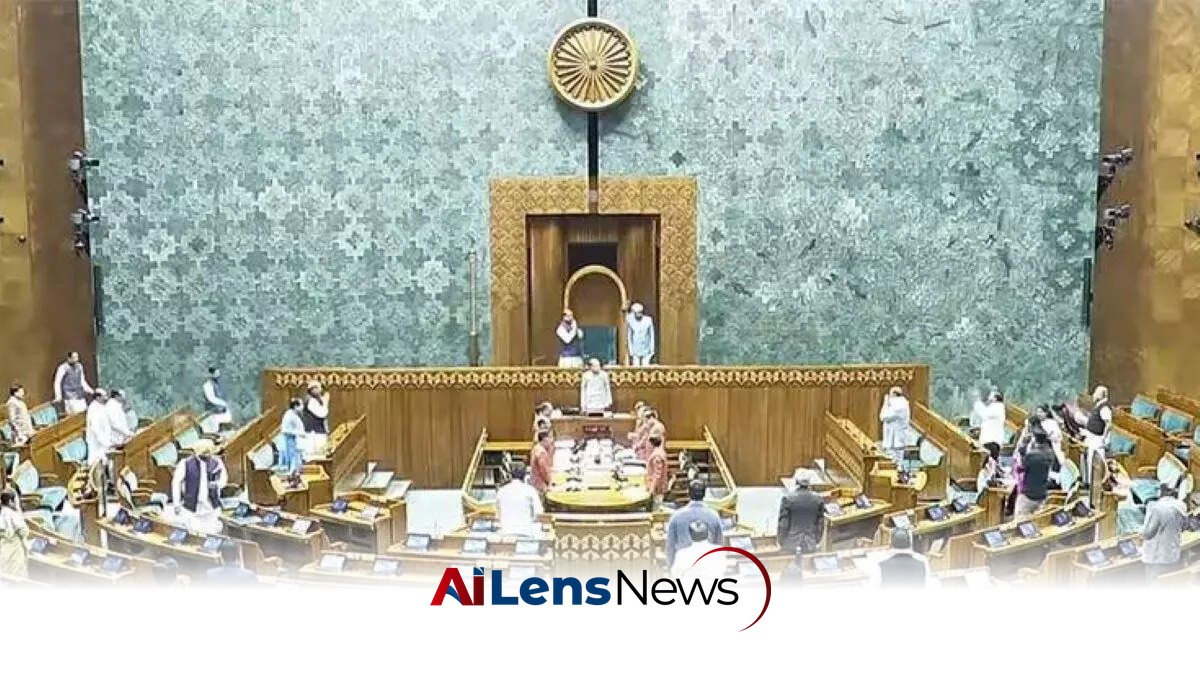


The Joint Parliamentary Committee has postponed its draft report on a bill aimed at removing leaders with serious charges, citing the need for further consultations.
New Delhi, India Jul 17, 2026 ALN: A joint parliamentary committee has decided to defer its draft report concerning the removal of leaders facing serious charges. This decision comes after the panel concluded that more discussions are necessary before finalizing its five recommendations. The implications of this decision are significant, as it reflects the ongoing tensions within the political landscape, particularly around issues of accountability, governance, and the rights of elected officials.
During the session, members voted on various recommendations, with some members from the Bharatiya Janata Party (BJP) expressing dissent against the initial proposals. The committee's deliberations highlighted a division among members regarding the approach to handling leaders under scrutiny. This division is not merely a reflection of differing political ideologies but also of the broader implications such decisions have on public trust in political institutions.
One of the key suggestions from the committee is to suspend, rather than permanently remove, leaders who have been detained for thirty days. This approach aims to balance accountability with the rights of the leaders involved. The rationale behind this recommendation is rooted in the principle of presumption of innocence until proven guilty, which is a cornerstone of democratic governance. By opting for suspension, the committee acknowledges the potential for misuse of power if leaders are removed without due process, while also recognizing the need for accountability in cases where serious charges are levied against them.
The proposed bill seeks to amend the Government of Union Territories Act, 1963, reflecting ongoing discussions about governance and accountability in the political landscape. The Act, which was originally designed to provide a framework for the administration of Union Territories, has been subject to various interpretations and amendments over the years. The current proposal aims to modernize the Act in light of contemporary challenges, particularly in managing the conduct of elected officials who may face legal challenges.
This move comes at a time when political accountability is under intense scrutiny. Recent events have demonstrated a growing public demand for transparency and integrity in political leadership. The committee's recommendations, once finalized, could set a precedent for how similar cases are handled in the future, potentially influencing not just the political landscape in Union Territories but also serving as a model for other regions.
The need for further consultations indicates the complexity of the issues at hand and the varying opinions among committee members. It is essential to recognize that the process of drafting legislation, especially on such sensitive matters, requires careful consideration of multiple perspectives. The involvement of diverse political voices is crucial in ensuring that the final recommendations reflect a balanced approach to governance.
As the political climate evolves, the committee's recommendations will play a crucial role in shaping future governance policies. The discussions surrounding the removal of leaders facing serious charges are particularly timely, given the increasing instances of political leaders being embroiled in legal controversies. Ensuring a fair and just process for addressing these issues is vital for maintaining public confidence in political institutions.
Moreover, the implications of the committee's recommendations extend beyond the immediate context of Union Territories. They could influence national discourse on political accountability, setting a benchmark for how leaders across the country are treated when faced with serious allegations. This could lead to a broader re-evaluation of laws governing political conduct and the mechanisms in place for enforcing accountability.
In conclusion, the deferral of the draft report underscores the importance of thorough discussions in addressing significant political reforms. It highlights the necessity for a collaborative approach in crafting legislation that balances the need for accountability with the rights of individuals in positions of power. As the committee continues its deliberations, the outcome will not only impact the political landscape in Union Territories but could also resonate across the nation, influencing the future of governance and the relationship between elected officials and the electorate.
To understand the gravity of the situation, it is essential to delve deeper into the historical context of the Government of Union Territories Act, 1963. This Act was introduced to provide a structured governance framework for Union Territories, which often have a unique political status within the n administrative system. Over the years, the Act has undergone several amendments to adapt to changing political realities and administrative needs. The current proposal to amend the Act highlights a growing recognition of the need for a more robust mechanism to address the challenges posed by leaders facing serious allegations.
Political accountability has become a pressing issue in recent years, particularly in light of numerous high-profile cases involving allegations of corruption, misconduct, and abuse of power. The public's demand for transparency in governance has intensified, prompting lawmakers to reconsider existing frameworks and propose reforms that align with contemporary expectations of ethical political conduct. The joint parliamentary committee's work in this regard is crucial, as it seeks to strike a balance between the rights of elected officials and the imperative of holding them accountable for their actions.
The debate surrounding the suspension versus removal of leaders also raises important questions about the nature of political power and its potential for misuse. Critics argue that allowing leaders to remain in office while facing serious charges could undermine public trust and allow for the continuation of corrupt practices. Conversely, proponents of the suspension approach contend that it preserves the principle of due process and prevents hasty decisions that could lead to unjust outcomes. This nuanced debate underscores the complexity of legislative reform in the realm of political accountability.
As discussions within the committee continue, it will be essential for members to consider the perspectives of various stakeholders, including legal experts, civil society organizations, and the general public. Engaging with a wide range of voices will not only enrich the deliberative process but also help ensure that the final recommendations are comprehensive and reflective of the diverse interests at play. The stakes are high, as the outcomes of these discussions will reverberate throughout the political system, potentially reshaping the relationship between elected officials and the electorate.
Furthermore, the implications of the committee's recommendations could extend beyond the immediate context of Union Territories. They hold the potential to influence national discussions on political accountability, prompting a re-evaluation of existing laws and practices governing political conduct across the country. As various states grapple with their own challenges related to political corruption and accountability, the outcomes of this committee's work may serve as a template for similar reforms elsewhere.
In summary, the decision to defer the draft report demonstrates a commitment to thoroughness and careful deliberation in addressing complex political reforms. As the committee navigates the intricacies of this issue, it is imperative that it remains attuned to the evolving political landscape and the expectations of the public. The future of governance in Union Territories and potentially across the nation hangs in the balance, hinging on the outcomes of these critical discussions.
To learn more about the latest developments in Political Controversies, stay updated with our exclusive reports and analyses on AiLensNews.

