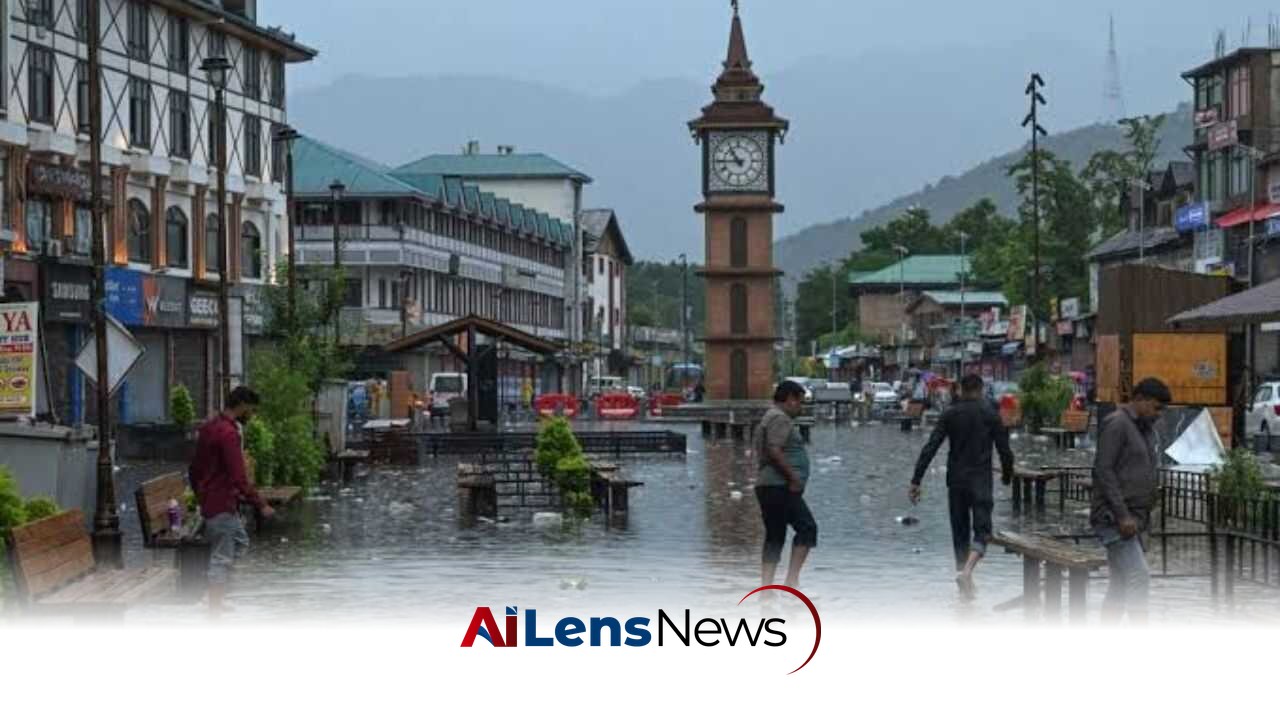


Heavy rainfall has led to significant flooding in Srinagar, particularly in Lal Chowk, prompting the suspension of the Amarnath yatra. Criticism of the government's drainage system intensifies.
Srinagar, India Jul 21, 2026 ALN: Severe flooding has struck Srinagar's Lal Chowk and surrounding areas following heavy rainfall on Monday morning. The inundation has raised serious concerns among residents and netizens, who have criticized the government for the alleged failure of the drainage system. This incident highlights the ongoing battle between urban development and the natural environment, particularly in a region that has historically been vulnerable to extreme weather events.
Officials have attributed the flooding to an overwhelming amount of rainfall, which has exceeded expectations. According to meteorological data, the region experienced a sudden and intense downpour that overwhelmed existing drainage systems, leading to widespread waterlogging. The rainfall was reported to be significantly above average for this time of year, catching many by surprise and raising alarms about the adequacy of the city’s infrastructure.
Critics have pointed fingers at the Smart City infrastructure project, questioning its effectiveness in managing such adverse weather conditions. The Smart City initiative, launched with the aim of enhancing urban living through technology and improved infrastructure, has faced scrutiny regarding its implementation and the actual benefits delivered to the residents of Srinagar. Many residents argue that despite the investments made, the fundamental issues related to drainage and flood management remain unaddressed, thus rendering the city ill-prepared for extreme weather events.
In response to the ongoing crisis, the Omar Abdullah cabinet has previously expressed concerns regarding the city's drainage capabilities and has ordered an external audit to assess the situation. This move aims to address the deficiencies in the current infrastructure and prevent future occurrences. An external audit could provide an unbiased assessment of the existing systems and recommend necessary upgrades or changes. This step is crucial not only for immediate remediation but also for long-term urban planning, which must consider the region's climatic vulnerabilities.
As the rain continues to pour across Kashmir, the region faces heightened risks of landslides and flash floods. The adverse weather has also led to the suspension of the Amarnath Yatra, a significant pilgrimage that attracts thousands of devotees each year. This suspension is particularly impactful given the cultural and economic significance of the pilgrimage for the local community. The Amarnath Yatra is not just a spiritual journey; it also brings substantial revenue to local businesses, hotels, and service providers who cater to the influx of pilgrims. The decision to suspend the Yatra reflects the seriousness of the situation and the need for prioritizing safety over religious observance.
The situation remains critical as authorities work to manage the flooding and ensure the safety of residents. Local leaders and citizens alike are calling for immediate action to improve the drainage systems and enhance the city's preparedness for such weather events in the future. This call for action is not just about addressing the current crisis but also about fostering a culture of resilience against climate change. The flooding in Srinagar serves as a stark reminder of the challenges posed by climate change and the need for robust infrastructure to withstand extreme weather conditions.
Historically, Srinagar has been prone to flooding, particularly during the monsoon season. The city’s unique geographical location, surrounded by mountains and situated on the banks of the Jhelum River, contributes to its vulnerability. The river has a long history of overflowing its banks during periods of heavy rainfall, leading to significant damage and loss of life. The 2014 floods, which were among the most devastating in recent history, resulted in widespread destruction and highlighted the urgent need for improved flood management strategies.
Urbanization has further complicated the situation. As Srinagar has grown, the natural drainage systems have been disrupted by construction and development. Paved surfaces do not absorb rainwater, leading to increased runoff and higher flood risks. The integration of green spaces and sustainable urban planning practices has been proposed as a way to mitigate these risks by allowing for better absorption of rainwater and reducing surface runoff.
In addition to physical infrastructure improvements, there is also a pressing need for community awareness and preparedness. Local authorities can play a crucial role in educating residents about flood risks and encouraging practices that reduce vulnerability. Community engagement initiatives, such as workshops and training sessions, can empower residents to take proactive measures in the face of flooding, such as creating emergency plans and understanding evacuation routes.
The current flooding crisis in Srinagar is a multifaceted issue that requires a comprehensive response from the government, urban planners, and the community. While immediate relief efforts are essential to address the current situation, long-term strategies must focus on enhancing infrastructure, promoting sustainable practices, and fostering a culture of preparedness. Only through a collaborative approach can the city hope to mitigate the impacts of future flooding events and ensure the safety and well-being of its residents.
As the situation continues to unfold, the response from local authorities and the community will be closely monitored. The implications of this flooding extend beyond immediate damages; they raise critical questions about urban resilience, climate adaptation, and the responsibilities of government entities in safeguarding citizens against natural disasters. The lessons learned from this incident will be vital in shaping future policies and infrastructure projects aimed at protecting Srinagar's residents from the growing threats posed by climate change.
Moreover, the flooding incident serves as a barometer for the effectiveness of urban planning initiatives. It underscores the necessity for a comprehensive approach that not only focuses on technological advancements but also incorporates traditional knowledge and practices that have historically been effective in managing water resources. Engaging local communities in the planning process can help tailor solutions that are not only effective but also culturally resonant.
As authorities assess the damage and begin recovery efforts, there is an opportunity to rethink the approach to urban resilience. This could involve a shift from reactive measures to proactive strategies that anticipate and mitigate the impacts of extreme weather. For instance, creating more permeable surfaces in urban areas, restoring natural wetlands, and enhancing vegetation can significantly improve the city’s capacity to absorb rainfall and reduce flooding risks.
Furthermore, the role of technology in urban management cannot be overstated. Smart systems that monitor weather patterns, water levels, and drainage performance can provide critical data to inform decision-making and improve response during emergencies. Collaboration with technology firms and research institutions could lead to innovative solutions tailored to the unique challenges faced by Srinagar.
In conclusion, the flooding in Srinagar is not merely a consequence of heavy rainfall; it is a reflection of deeper systemic issues related to urban planning, climate change adaptation, and community preparedness. Addressing these challenges requires a holistic and integrated approach that combines infrastructure improvements, community engagement, and technological innovation. As the city navigates through this crisis, the focus must remain on building a resilient urban environment that can withstand the increasing frequency and intensity of extreme weather events.
To learn more about the latest developments in Political Controversies, stay updated with our exclusive reports and analyses on AiLensNews.

