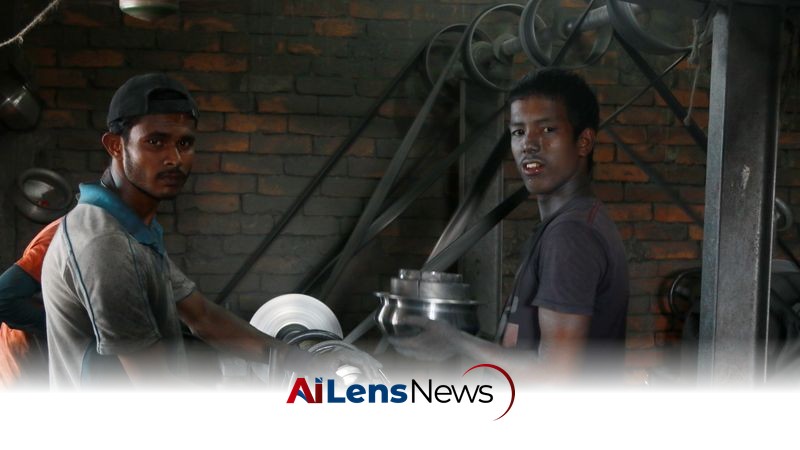


The Indian government has amended its Foreign Trade Policy to prohibit the import of goods produced using forced labor, aiming to uphold human rights standards.
New Delhi, India Jul 15, 2026 ALN: The Indian government has taken a significant step towards promoting ethical trade practices by banning the import of goods produced using forced labor. This decision, announced by the Directorate General of Foreign Trade (DGFT) under the Ministry of Commerce and Industry, is part of an amendment to the Foreign Trade Policy (FTP) for 2023. The move is seen as a proactive measure to address the pressing issues of human rights and labor exploitation that have garnered increasing attention on a global scale.
The amendment comes in response to growing international concerns regarding human rights violations in supply chains. The use of forced labor has been a critical issue, with various reports highlighting the exploitation of workers in different sectors. The International Labour Organization (ILO) estimates that millions of people around the world are trapped in forced labor, often in industries such as agriculture, construction, and manufacturing. By implementing this ban, India aims to align its trade practices with global human rights standards and enhance its reputation in the international market.
In recent years, there has been an increasing demand from consumers and advocacy groups for greater transparency in supply chains. Companies are under pressure to ensure that their products are ethically sourced and produced. This is particularly relevant for India, which is one of the largest importers of goods globally and plays a significant role in international trade. The country’s decision to ban imports linked to forced labor not only reflects a commitment to ethical practices but also seeks to bolster its own labor standards and worker rights.
The new policy stipulates that any goods imported into India must not be produced using forced labor. This includes a wide range of products, from textiles to electronics, and applies to both direct imports and those sourced through intermediaries. The ban is comprehensive, aiming to cover various industries that have been historically associated with labor exploitation.
This ban is expected to have far-reaching implications for various industries that rely on imported goods. Companies will need to reassess their supply chains and ensure that they adhere to the new regulations. This may lead to increased costs for businesses, particularly for those that must invest in compliance measures and certifications to prove their products are ethically sourced.
However, this also presents an opportunity for companies to enhance their corporate social responsibility initiatives. Businesses that proactively adopt ethical practices may find themselves better positioned in the market as consumers increasingly favor brands that demonstrate a commitment to human rights and sustainability. Moreover, companies that can effectively communicate their compliance with the new regulations may gain a competitive advantage, attracting a more conscientious consumer base.
India's move aligns with similar actions taken by other countries aiming to combat forced labor in global supply chains. The U.S. and European nations have also implemented regulations to restrict imports linked to human rights abuses. For instance, the U.S. has enacted the Uyghur Forced Labor Prevention Act, which prohibits the importation of goods produced in the Xinjiang region of China unless it can be proven that they were not made with forced labor.
As consumers become more aware of ethical sourcing, businesses that prioritize transparency and ethical practices may gain a competitive advantage. The global trend towards responsible sourcing is being driven by a combination of consumer demand, regulatory pressure, and the growing recognition of the importance of corporate accountability. Companies that fail to adapt to these changes risk losing market share and facing reputational damage.
India's ban on imports produced using forced labor marks a pivotal moment in the country's trade policy. By prioritizing human rights and ethical practices, India is not only enhancing its global trade reputation but also setting a precedent for other nations to follow. The implications of this policy are profound, as it encourages businesses to adopt more responsible sourcing practices and fosters a culture of accountability in international trade.
As the implementation of this policy unfolds, it will be crucial for businesses to adapt and ensure compliance to thrive in an increasingly conscientious market. The success of this initiative will depend on the government's ability to enforce the regulations effectively and the willingness of companies to embrace ethical practices. In a world where consumers are becoming more discerning about the origins of the products they purchase, India's commitment to eradicating forced labor from its supply chains could serve as a model for other nations striving to achieve similar goals.
While the ban is a commendable step towards ethical trade, it also raises several considerations for the Indian economy and its trade relations. For instance, the enforcement of this ban may require substantial resources and coordination among various government agencies. The DGFT, along with customs and enforcement agencies, will need to work closely to ensure that the policy is implemented effectively and that importers are held accountable.
Moreover, the implications of this ban extend beyond just compliance; they may also affect India's trade negotiations with other countries. Nations that are major trading partners may seek assurances regarding India's commitment to ethical labor practices. Thus, India's policy could influence its standing in international trade discussions, potentially opening doors for more favorable trade agreements with countries that prioritize human rights.
Additionally, the ban may encourage domestic industries to improve their labor practices. As the government emphasizes ethical sourcing, local manufacturers might be compelled to adopt better labor standards to remain competitive. This could lead to an overall improvement in working conditions within India, benefiting workers across various sectors.
However, there are potential challenges that could arise from this policy. Small and medium enterprises (SMEs), which may lack the resources to comply with stringent documentation and auditing requirements, could face significant hurdles. The government may need to consider providing support or guidance to these businesses to help them navigate the new regulations without stifling their operations.
In conclusion, while India's ban on imports linked to forced labor is a landmark decision that aligns with global human rights standards, its successful implementation will require careful consideration of the economic landscape, support for businesses, and ongoing dialogue with international partners. The long-term impact of this policy will ultimately depend on how effectively it is enforced and how well businesses adapt to the new expectations surrounding ethical trade practices.
To learn more about the latest developments in Political Controversies, stay updated with our exclusive reports and analyses on AiLensNews.

