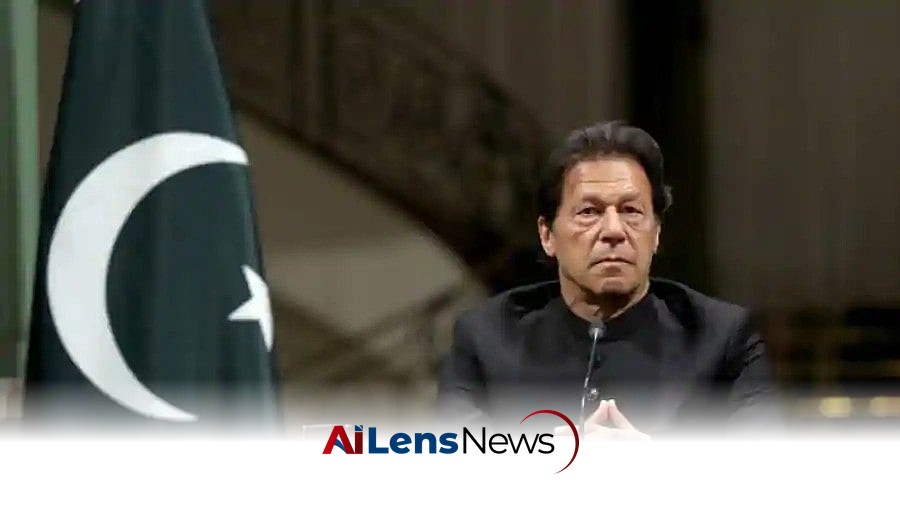


Noreen Niazi alleges that the Pakistan Army misrepresented India's Operation Sindoor to mask its failures, prompting a cyber crime investigation against her.
New Delhi, India Jul 21, 2026 ALN: Noreen Niazi, the sister of Imran Khan, the former Prime Minister of Pakistan who is currently imprisoned, has recently made significant claims regarding the military's portrayal of India's Operation Sindoor. In a pointed interview, Niazi asserted that the Pakistani military fabricated a so-called "victory narrative" surrounding the conflict in order to mask its own failures on the battlefield. This assertion has sparked considerable controversy and raised questions about the relationship between Pakistan's military and its civilian leadership.
Operation Sindoor, which reportedly unfolded over four days, has been characterized by various narratives from both Indian and Pakistani sources. Niazi's claims suggest that the official narrative presented by Pakistan's generals and leadership does not align with the actual events that transpired during the conflict. She contended that India achieved significant success in the operation, while the Pakistan Army was engaged in efforts to conceal what she described as a defeat.
The implications of Niazi's statements are profound, particularly in the context of Pakistan's military-dominated political landscape. The military has historically played a crucial role in shaping national narratives, especially regarding conflicts with India. By challenging the established narrative, Niazi not only questions the military's credibility but also potentially undermines the authority of the current government and its relationship with the armed forces.
In response to her allegations, the National Cyber Crime Investigation Agency (NCCIA) of Pakistan acted swiftly, summoning Niazi for questioning. The agency accused her of disseminating "false, offensive and inflammatory" content on social media that allegedly targets the military and state institutions. This response underscores the sensitivity surrounding discussions of military performance and the lengths to which authorities may go to maintain a particular narrative.
The notice issued to Niazi reflects a broader trend in Pakistan, where dissenting voices, particularly those criticizing the military, are often met with swift governmental action. The Pakistani establishment has historically been protective of its image, especially in matters related to national security and military engagements. This incident serves as a reminder of the precarious balance between freedom of expression and the state's efforts to control narratives that could be perceived as damaging.
In her interview, Niazi made two particularly explosive claims. The first was that India had intentionally refrained from escalating the conflict further due to what she described as a "tacit understanding" linked to Israel. This assertion raises questions about the geopolitical dynamics in the region, particularly regarding Pakistan's historical stance on Israel and its recent considerations of normalizing relations. Pakistan is one of the few Muslim-majority countries that does not recognize Israel as a legitimate state, and any movement towards recognition could have profound implications for its foreign policy and relationships within the Muslim world.
The Abraham Accords, which were brokered by the United States in 2020, have led to the establishment of diplomatic ties between Israel and several Arab nations, including the United Arab Emirates, Bahrain, Sudan, and Morocco. Niazi's suggestion that Pakistan might be moving towards recognition of Israel as part of a broader geopolitical strategy is significant; it indicates a potential shift in Pakistan's foreign policy and could provoke strong reactions both domestically and internationally.
Her second claim centered on an alleged intervention by former US President Donald Trump, which she suggested was aimed at preventing the military engagement from escalating further. Niazi indicated that Trump's involvement was intended to provide a "face-saving exit" for the Pakistani leadership. This assertion raises questions about the role of external powers in regional conflicts and the influence of international politics on domestic military decisions.
The ruling Pakistan Muslim League-Nawaz (PML-N) government has strongly condemned Niazi's remarks, arguing that they undermine Pakistan's national interests. The party's response highlights the delicate nature of political discourse in Pakistan, where criticism of the military is often seen as a direct challenge to national unity and security. The PML-N's condemnation also reflects the broader political landscape in Pakistan, where parties often navigate their relationships with the military carefully to avoid backlash.
The fallout from Niazi's claims could extend beyond her personal situation. It raises the possibility of a broader conversation about accountability within the military and the need for transparency regarding military operations and their outcomes. As more voices within Pakistan begin to question established narratives, the potential for reform or change in the military's role in governance and public perception may increase.
As the situation develops, it will be important to monitor how the Pakistani establishment responds to such challenges and whether there will be any long-term implications for the military's influence over civilian governance. The interplay between public opinion, military credibility, and political authority will likely shape the future of Pakistan's political landscape, especially in the context of its ongoing tensions with India and evolving international relationships.
In conclusion, Noreen Niazi's claims regarding Operation Sindoor and the Pakistani military's narrative have ignited a complex debate about military accountability, the role of external influences in regional conflicts, and the evolving nature of Pakistan's foreign policy. As her situation unfolds, it may serve as a catalyst for broader discussions about the relationship between the military and civilian leadership in Pakistan, as well as the country's position on critical international issues.
To learn more about the latest developments in Political Controversies, stay updated with our exclusive reports and analyses on AiLensNews.

