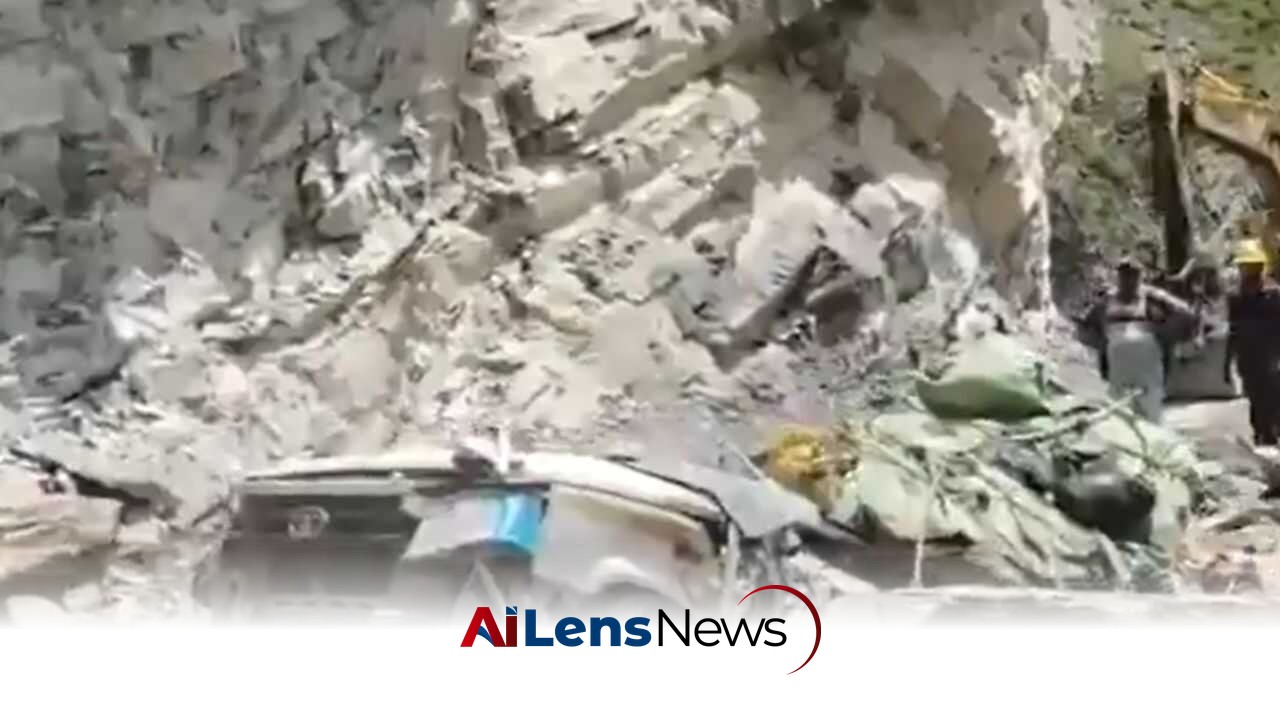


A devastating landslide in Lahaul-Spiti, Himachal Pradesh, has left at least 13 people feared dead, including an infant, after a taxi was crushed by boulders.
New Delhi, India Jul 24, 2026 ALN: A tragic incident occurred in the Lahaul-Spiti district of Himachal Pradesh on Friday, where at least 13 individuals are feared dead following a landslide that struck a taxi. The vehicle, which was transporting 15 passengers from Udaipur to Pangi, was crushed by boulders that fell from a hillside on the Sansari–Killar–Tandi (SKTT) road near Kadu Nala.
The taxi was traveling along the Udaipur-Killar stretch when a significant section of the hillside collapsed, leading to the catastrophic event. Among the victims is a six-month-old infant, highlighting the tragic nature of this accident.
Rescue operations are currently underway as authorities work to locate and assist any survivors. Eyewitnesses reported hearing a loud rumble before the landslide occurred, indicating the instability of the hillside in the area. The region, known for its rugged terrain, has faced similar incidents in the past, raising concerns about safety measures in place.
The landslide occurred during a time when many families were traveling for leisure or to visit relatives, making the loss even more poignant. The SKTT road is a vital route for connecting remote areas, and while it serves as a lifeline for many, it also poses significant risks due to its geography. The region's steep slopes and loose soil are susceptible to landslides, particularly during the monsoon season when heavy rains can destabilize the ground.
As rescue teams work tirelessly to recover the victims and search for any potential survivors, the challenging terrain complicates their efforts. Heavy machinery may be required to clear the debris, and local authorities are coordinating with national disaster response teams to expedite the process. This incident highlights the urgent need for improved infrastructure and monitoring systems in landslide-prone areas, as well as the importance of timely weather warnings for travelers.
Local government officials have expressed their condolences to the families affected by this disaster. Emergency services are on high alert as they navigate the challenging conditions to reach the site of the landslide. The Chief Minister of Himachal Pradesh has announced that an investigation will be conducted to determine the cause of the landslide and to assess the safety of the roads in the region.
In addition to the immediate response, the government is likely to face scrutiny regarding the adequacy of current safety measures in place for travelers on these roads. The investigation will aim to identify whether there were any prior warnings about the instability of the hillside and if appropriate preventive measures were taken. This incident may prompt a broader discussion on the need for infrastructure investments and the implementation of advanced monitoring technologies in vulnerable regions.
This tragic event has sent shockwaves through the local community, as many residents knew the victims. The loss of life, especially of such a young child, has left families devastated. Community leaders are calling for improved infrastructure and monitoring of landslide-prone areas to prevent future tragedies. The emotional toll on families and friends of the victims cannot be overstated, as they grapple with the sudden loss of loved ones.
In the wake of this disaster, community support networks are likely to mobilize to assist the affected families. Local organizations and religious groups may come together to provide grief counseling, financial aid, and other forms of support to help families cope with their loss. The community's resilience will be tested as they navigate the aftermath of this tragedy.
Landslides are not uncommon in Himachal Pradesh, a state characterized by its mountainous terrain and heavy rainfall during the monsoon season. The region has a history of such incidents, often exacerbated by deforestation, unregulated construction, and climate change. The government has previously faced criticism for its handling of infrastructure projects that may have compromised the stability of hillsides.
In recent years, several landslides have resulted in loss of life and property, prompting calls for enhanced geological surveys and better urban planning. As climate change continues to impact weather patterns, the risk of landslides and other natural disasters is expected to increase, making it imperative for authorities to adopt proactive measures.
The incident serves as a grim reminder of the dangers posed by natural disasters in mountainous regions. As rescue efforts continue, the focus remains on providing support to the grieving families and ensuring the safety of travelers in the future. The need for a comprehensive approach to disaster management, including improved infrastructure, better monitoring systems, and community preparedness, has never been more urgent. The tragic loss of lives in this landslide should serve as a catalyst for change, prompting authorities to take decisive action to protect residents and travelers alike.
To fully grasp the implications of this incident, it is important to understand the mechanisms that lead to landslides. Landslides can occur due to a combination of factors, including geological conditions, weather patterns, and human activities. In mountainous regions like Himachal Pradesh, the steep slopes can become unstable due to heavy rainfall, which saturates the soil and increases the weight on the slopes. Additionally, human activities such as deforestation and construction can disrupt the natural stability of the land.
Geologists often categorize landslides based on their movement type, such as falls, slides, and flows, each with distinct characteristics and triggers. Understanding these categories can help in assessing risk and implementing preventive measures. For instance, rockfalls may occur suddenly without warning, while slides may develop over time, allowing for potential evacuation. However, the unpredictable nature of these events makes it challenging to ensure safety.
Advancements in technology have opened new avenues for monitoring and mitigating landslide risks. Remote sensing technologies, such as satellite imagery and aerial surveys, can provide valuable data on land movement and changes in vegetation cover. Additionally, ground-based monitoring systems can detect shifts in soil moisture and other parameters that may indicate an increased risk of landslides.
Implementing these technologies in vulnerable regions could enhance early warning systems, allowing authorities to take proactive measures to protect residents and travelers. Furthermore, community-based monitoring initiatives could empower local residents to report changes in their environment, creating a more comprehensive safety network.
The government plays a crucial role in establishing policies that prioritize safety and infrastructure development in landslide-prone areas. Engaging with local communities is vital, as they are often the first to experience the impacts of such disasters. By involving community members in decision-making processes, authorities can gain valuable insights into local conditions and concerns.
Moreover, fostering a culture of preparedness through education and training can equip communities with the knowledge and skills needed to respond effectively to landslide threats. This includes developing evacuation plans, conducting drills, and raising awareness about the signs of potential landslides.
As the investigation into the recent landslide continues, it is essential for authorities to reflect on the lessons learned from this tragedy. The loss of life and the emotional impact on families underscore the need for a holistic approach to disaster risk management. This incident should serve as a reminder that while natural disasters are often unpredictable, the responses to them can be improved through better planning, community engagement, and investment in technology.
In conclusion, the landslide in Himachal Pradesh is a stark reminder of the vulnerabilities faced by communities in mountainous regions. As the search for survivors continues and the community mourns its losses, the focus must shift towards ensuring that such tragedies do not occur in the future. By addressing the underlying factors contributing to landslide risks and fostering a culture of preparedness, authorities can work towards creating a safer environment for all residents and travelers in the region.
To learn more about the latest developments in Political Controversies, stay updated with our exclusive reports and analyses on AiLensNews.

