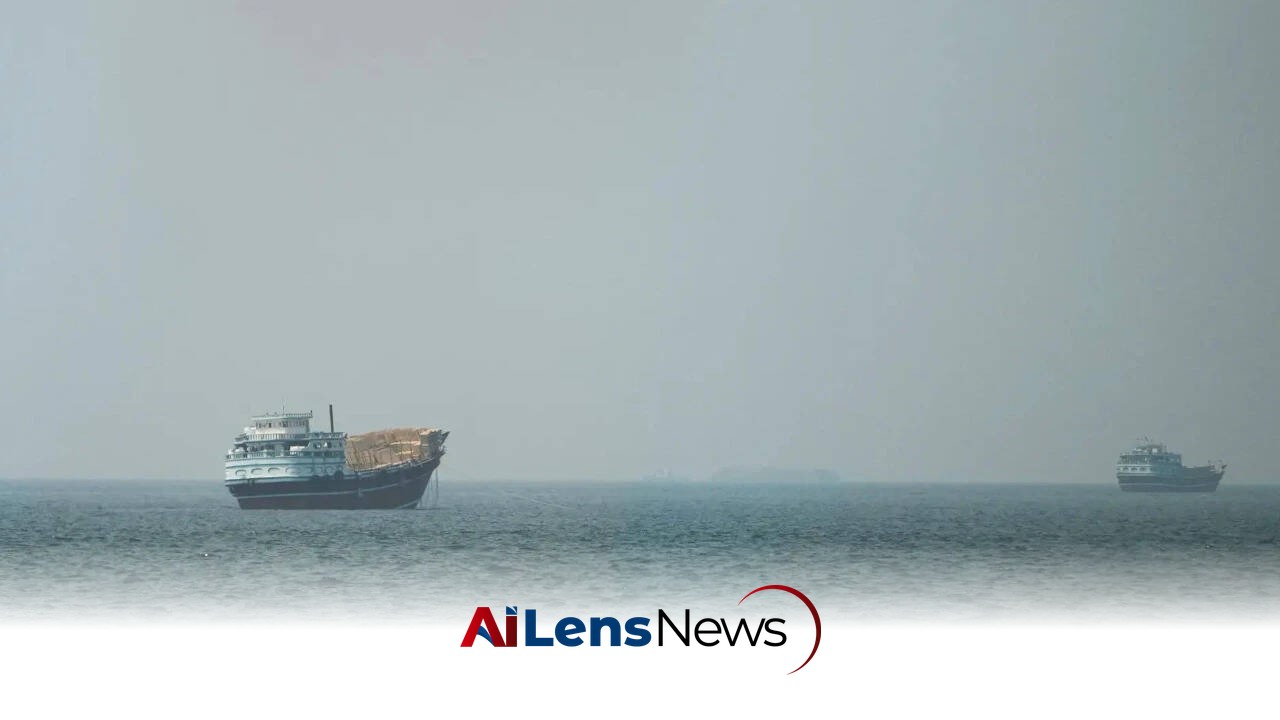


The government has lodged a formal protest with Iran after a sailor was killed in recent maritime attacks on commercial vessels, urging for safe navigation.
New Delhi, India Jul 15, 2026 ALN: The government has taken a strong stance against Iran following a series of recent attacks on commercial ships in international waters, which have resulted in tragic consequences. A sailor lost his life, and two others sustained critical injuries in these incidents involving vessels such as the MT Al Bahiyah and MT Mombasa. These attacks have not only raised alarms regarding the safety of maritime operations but have also intensified existing geopolitical tensions in the region.
Historically, the Persian Gulf and surrounding waters have been contentious areas due to their strategic importance for global trade and energy supplies. The Strait of Hormuz, a narrow passage through which a significant percentage of the world's oil supply is transported, has been a flashpoint for conflicts involving Iran and other nations. This waterway is vital for the economies of many countries, making it a focal point of international interest and concern. The recent incidents involving commercial shipping can be viewed as part of a broader pattern of hostility that has characterized Iran's interactions with maritime nations, particularly in the wake of renewed sanctions and geopolitical tensions.
The maritime landscape in this region has been increasingly fraught with danger, as various nations have engaged in military posturing and naval exercises, heightening the risk of confrontations at sea. The attacks on commercial vessels are not isolated incidents but rather part of a larger narrative of maritime insecurity that has evolved over the years. The government’s response to these attacks reflects a growing recognition of the need to address the underlying issues that contribute to such aggression, including territorial disputes, economic sanctions, and historical grievances.
In response to these alarming developments, officials summoned Iran's deputy chief of mission to express their outrage and formally protest the attacks. This diplomatic move underscores the seriousness with which the government views the incidents. By lodging a formal protest, the government aims to not only express its condemnation of the violence but also to seek accountability from Iran for its actions. Such diplomatic engagements are crucial in international relations, especially when addressing violations of maritime law and the safety of civilian vessels. The formal protest serves as a mechanism for the government to communicate its stance to both Iran and the international community, emphasizing the need for adherence to established norms governing maritime conduct.
The government has condemned the violence, calling for an immediate cessation of hostilities and emphasizing the need for safe navigation through international waterways. This call to action reflects a growing consensus among maritime nations that the safety of shipping lanes must be prioritized to prevent further loss of life and disruption of trade. The implications of these attacks extend beyond the immediate tragedy; they threaten the stability of global supply chains that rely on secure maritime routes. Disruptions in shipping can lead to cascading effects throughout the global economy, impacting everything from consumer prices to energy markets.
In light of the recent escalation of attacks, significant concerns have emerged among maritime nations, prompting calls for enhanced security measures to protect commercial shipping routes. The government is advocating for collaborative international efforts to ensure the safety of seafarers and the integrity of maritime operations. This could involve increased naval patrols in vulnerable areas, the establishment of secure passage agreements among nations, and enhanced intelligence-sharing to preempt potential threats. Such measures would not only serve to safeguard commercial interests but also contribute to the overall stability of the region.
Moreover, the international community has been urged to take a unified stance against such maritime aggression. The United Nations and other international bodies may play a pivotal role in facilitating discussions aimed at de-escalating tensions and fostering cooperation among nations that rely on these vital trade routes. Diplomatic solutions are essential, as military responses could further exacerbate tensions and lead to unintended consequences. The potential for miscalculation in a high-stakes environment such as this underscores the importance of dialogue and negotiation in resolving disputes.
As tensions rise in the region, the government remains committed to safeguarding its interests and ensuring that free navigation is restored. The situation underscores the importance of diplomatic engagement and the need for a unified response to threats against maritime safety. It also highlights the role of international law in governing the conduct of states in international waters, particularly the United Nations Convention on the Law of the Sea (UNCLOS), which outlines the rights and responsibilities of nations in maritime contexts. Adherence to such legal frameworks is crucial for maintaining order and preventing conflicts at sea.
In addition to the immediate concerns regarding safety and security, the economic implications of these attacks cannot be overlooked. Disruptions in maritime operations can lead to increased shipping costs, delays in the delivery of goods, and fluctuations in global oil prices. Countries that depend heavily on maritime trade could face significant economic repercussions, further motivating a collective response to the threats posed by such attacks. The interconnected nature of the global economy means that instability in one region can have far-reaching effects, making it imperative for nations to work together to ensure maritime security.
Furthermore, the loss of life and injuries sustained by seafarers highlight the urgent need for action to prevent further violence and protect those who navigate these vital trade routes. The maritime industry has long been regarded as a cornerstone of global commerce, and the safety of its workers is paramount. Initiatives aimed at improving safety standards, providing better training for seafarers, and enhancing emergency response protocols are essential in mitigating risks associated with maritime operations. Ensuring the well-being of those who work at sea is not only a moral obligation but also a critical component of maintaining the integrity of global trade.
In conclusion, the government’s protest serves as a critical reminder of the ongoing challenges faced in maintaining peace and security in international waters. The recent attacks on commercial shipping not only resulted in a tragic loss of life but also brought to light the vulnerabilities inherent in maritime trade. As nations grapple with the implications of these incidents, the call for enhanced cooperation, adherence to international law, and proactive measures to protect maritime interests becomes increasingly urgent. The path forward will require a concerted effort to address the root causes of conflict in the region while ensuring the safety and security of those who traverse the world's oceans. The stakes are high, and the need for a collaborative approach to maritime security has never been more apparent.
To learn more about the latest developments in Political Controversies, stay updated with our exclusive reports and analyses on AiLensNews.

