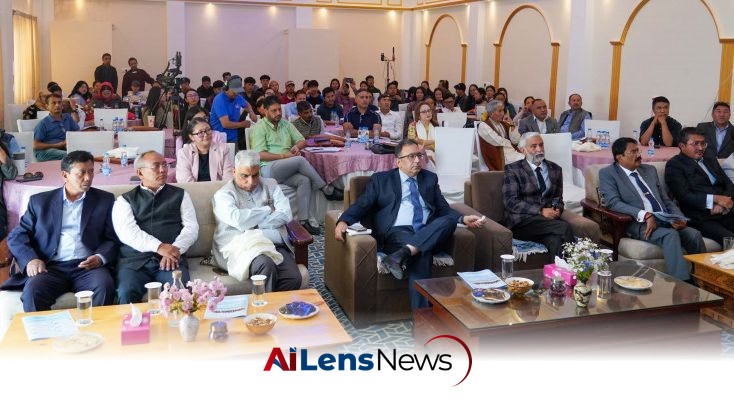


Leh recently hosted an international conference aimed at strengthening election management bodies, bringing together experts and officials from various countries to discuss best practices and innovations in electoral processes.
New Delhi, India Jul 24, 2026 ALN: Leh, a picturesque town nestled in the Indian Himalayas, has recently emerged as a significant venue for a global conference focused on enhancing the effectiveness of election management bodies. This conference brought together a diverse group of experts, officials, and representatives from various countries, all united by a common goal: to share insights and strategies aimed at improving electoral processes worldwide. The event underscored the growing recognition of the importance of robust election management systems in fostering democratic governance and ensuring the integrity of electoral outcomes.
The conference took place in a local venue known for its stunning views and cultural significance, providing an inspiring backdrop for discussions that are critical to the future of democracy in many regions. Participants engaged in a series of discussions, workshops, and presentations designed to address the myriad challenges faced by election management bodies globally. These challenges include issues such as voter disenfranchisement, electoral fraud, and the need for increased transparency and accountability in the electoral process.
Among the key themes discussed at the conference were several critical areas of focus that have significant implications for the future of elections:
The conference also aimed to address local governance issues, particularly in regions like Leh, where unique challenges exist due to geographical and cultural factors. The remote location of Leh, combined with its diverse population, presents specific hurdles for election management, including logistical difficulties in reaching remote voters and ensuring that electoral processes are culturally sensitive and inclusive. Local officials expressed optimism that the insights gained from the conference would help enhance the electoral framework in their region.
"This conference is not just about sharing knowledge; it is about building a network of support that can lead to tangible improvements in how elections are conducted globally," said one of the organizers. The emphasis on local context was a recurring theme, with many discussions centered around adapting global best practices to fit the unique needs of specific regions.
While the conference highlighted numerous positive developments in the field of election management, it also acknowledged the significant challenges that remain. Issues such as political polarization, misinformation, and the erosion of public trust in electoral institutions were discussed as pressing concerns that need to be addressed. Experts warned that without proactive measures, these challenges could undermine the progress made in improving electoral processes.
However, the conference also presented opportunities for innovation and reform. The gathering of diverse perspectives allowed for a rich exchange of ideas, fostering creativity in tackling common problems. For instance, the integration of social media into voter outreach strategies was discussed as a way to engage younger voters, who may be less likely to participate in traditional electoral processes. Additionally, the potential for using data analytics to better understand voter behavior and preferences was explored, providing a pathway for more targeted and effective voter engagement initiatives.
The global conference in Leh served as a vital platform for exchanging ideas and fostering collaboration among election management bodies. As countries continue to navigate the complexities of electoral processes, such initiatives will play a crucial role in ensuring that elections are fair, transparent, and accessible to all citizens. The insights and strategies shared during the conference have the potential to inform policy decisions and shape the future of electoral governance, not only in India but around the world.
In conclusion, the gathering in Leh was not merely an event; it was a significant step towards creating a more interconnected and informed global community dedicated to the principles of democracy. As the world faces evolving challenges in the realm of elections, the commitment to enhancing election management bodies will be essential in safeguarding democratic values and ensuring that the voices of all citizens are heard and respected.
To learn more about the latest developments in Elections, stay updated with our exclusive reports and analyses on AiLensNews.

