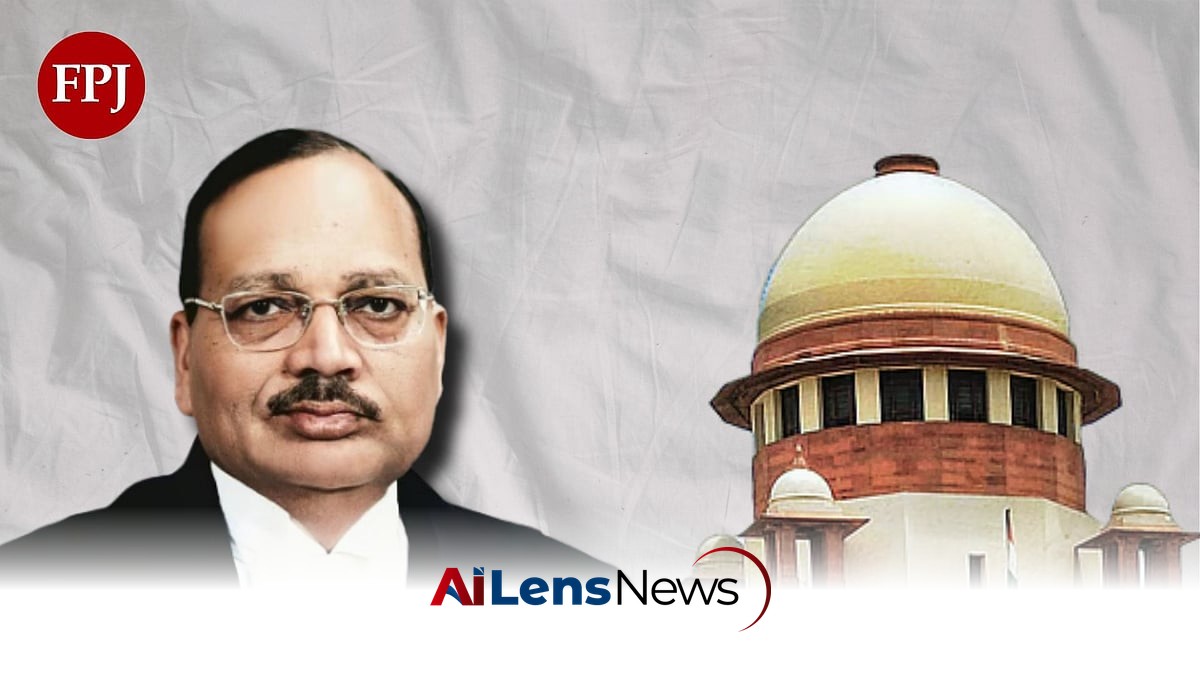


The Supreme Court declined to urgently hear a petition regarding police actions against protesters, emphasizing the need for judicial efficiency.
New Delhi, India Jul 22, 2026 ALN: The Monsoon Session of Parliament in India has become a focal point of political contention as it resumes for Day 3 amidst ongoing disruptions. The session has been marred by protests and heated exchanges between the Opposition parties and the ruling government, primarily over two significant issues: the alleged leak of the NEET (National Eligibility cum Entrance Test) question paper and the police's aggressive response to demonstrators in the national capital.
The NEET examination is a critical test for students aspiring to enter medical colleges across India, and any allegations of malpractice can have severe implications for the integrity of the examination process. The disruptions in Parliament reflect the broader concerns regarding the transparency and fairness of public examinations in the country. The Opposition has seized upon these issues to criticize the government's handling of educational policies and law enforcement practices. The NEET examination, which is conducted annually, is a pivotal moment for many students, and any suggestion of impropriety can undermine public confidence in the educational system.
On Wednesday, the Supreme Court of India addressed a petition concerning the police action against supporters of the Cockroach Janta Party (CJP) during their "Chalo Sansad" march. This march was organized as a demonstration against the government's policies and aimed to draw attention to the grievances of students and young activists. Chief Justice of India, Surya Kant, expressed frustration over the urgent listing of the petition, stating, "Don't waste our time, and don't waste your time," indicating the Court's reluctance to engage in what it perceives as a misuse of judicial resources for political purposes. The remarks from CJI Surya Kant underscore the judiciary's cautious stance on being drawn into political disputes, emphasizing the need for judicial efficiency and the proper use of the court's time.
The CJP's protests have been a response to what many young activists describe as a lack of representation and dialogue with the government. Rajkummar Rao, an actor and supporter of the movement, articulated this sentiment by stating, "When young people feel unheard, society must listen." This highlights a growing trend in Indian society where youth activism is increasingly visible, as young people mobilize to express their discontent with governmental policies that they perceive as neglectful of their needs and aspirations. The CJP's emergence as a political force reflects a broader shift in Indian politics, where marginalized voices, particularly those of the youth, are beginning to demand attention and action from policymakers.
In response to the protests, the Centre has planned another round of discussions with CJP representatives, indicating a potential willingness to engage with dissenting voices, albeit under pressure from public outcry and political opposition. This engagement could be crucial in addressing the concerns raised by students and activists regarding educational policies and police conduct. The government's willingness to open dialogue may signal a recognition of the need to address the root causes of discontent among the youth, which could ultimately lead to reforms in both educational and policing practices.
Adding to the political drama, Congress Members of Parliament, including Rahul Gandhi, arrived dressed in black on Wednesday as a symbolic gesture to protest against the government's handling of the situation. This act of solidarity among Opposition leaders serves to unify their stance against the ruling party, highlighting the contentious atmosphere within Parliament. By wearing black, they are not only making a statement about the perceived failures of the government but also aiming to draw public attention to their cause. Such symbolic gestures are part of a larger strategy employed by political parties to galvanize public sentiment and rally support for their positions.
Furthermore, the Delhi High Court is set to hear a Public Interest Litigation (PIL) that challenges the alleged police action against students and other protesters during activist Sonam Wangchuk’s hunger strike at Jantar Mantar. The PIL calls for an independent investigation into the police operation that took place on July 18, the preservation of evidence, and the establishment of guidelines to ensure the constitutional right to peaceful protest. This legal challenge underscores the tensions surrounding civil liberties in India, particularly in the context of protests that seek to address systemic issues. The outcome of this PIL could set important precedents regarding the rights of citizens to assemble and protest in India, and it may influence how law enforcement interacts with demonstrators in the future.
The Trinamool Congress has also taken steps to address the situation by submitting a notice under Rule 267 in the Rajya Sabha, demanding an immediate discussion on the alleged police action against protesters. This move reflects a broader strategy among opposition parties to leverage parliamentary procedures to voice their concerns and hold the government accountable for its actions. By invoking parliamentary rules, the opposition aims to ensure that these issues are formally addressed within the legislative framework, potentially leading to greater scrutiny of government actions.
In addition, Aam Aadmi Party Rajya Sabha MP Sanjay Singh has submitted a Suspension of Business Notice under Rule 267, seeking discussions not only on the police action but also on the NEET-UG question paper leak and the overall failures of the public examination system. Singh's notice emphasizes the interconnected nature of these issues, as they all pertain to the broader context of governance and accountability in the education sector. The convergence of these issues in parliamentary discussions highlights the urgent need for comprehensive reforms to restore public confidence in both the educational system and law enforcement practices.
The implications of these events extend beyond the immediate political landscape. They reflect a growing discontent among students and young people in India, who are increasingly vocal about their rights and the need for accountability from their leaders. As protests continue and parliamentary sessions are disrupted, the government faces mounting pressure to address the concerns raised by the youth, as well as the allegations of police brutality and misconduct. This growing activism among young people could signal a shift in the political dynamics of India, as they mobilize to demand greater transparency and accountability from their leaders.
In this context, the actions taken by various political parties and activists may shape the future discourse around governance, civil rights, and educational reform in India. The outcome of these discussions and legal proceedings could have lasting effects on how the government interacts with its citizens, particularly young people who are becoming more engaged in the political process. The Monsoon Session's proceedings will be closely monitored, as they may serve as a litmus test for the government's responsiveness to public dissent and its ability to navigate complex social issues.
As the Monsoon Session progresses, the spotlight remains on the government's response to these pressing issues and the potential for meaningful dialogue between opposing sides. The ongoing protests and political maneuvers reflect a critical moment in Indian democracy, where the voices of the youth are demanding attention and action. The resolution of these issues will not only determine the immediate political landscape but may also influence the future trajectory of governance and civil rights in India, shaping the relationship between the state and its citizens for generations to come.
To learn more about the latest developments in Political Controversies, stay updated with our exclusive reports and analyses on AiLensNews.

