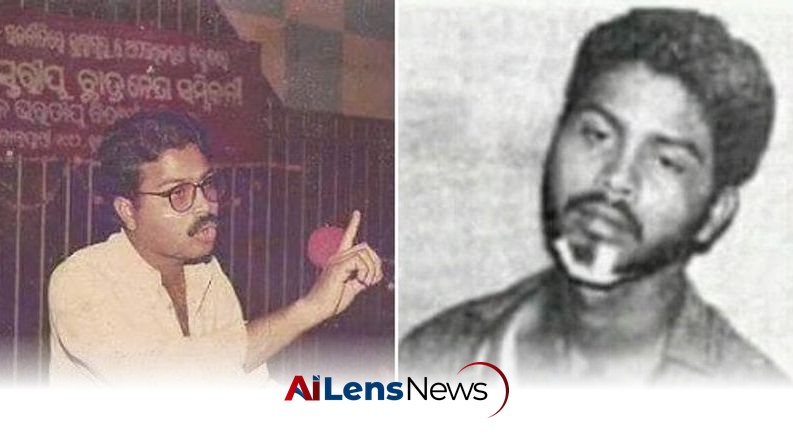


In 1997, Dharmendra Pradhan led a significant protest against the Congress government in Odisha, advocating for justice over an alleged paper leak incident. Despite facing police brutality, he remained committed to his cause.
New Delhi, India Jul 22, 2026 ALN: The year was 1997, a pivotal moment in the political landscape of Odisha. Dharmendra Pradhan, a prominent figure in the Bharatiya Janata Party (BJP), spearheaded a protest involving approximately 1,500 students. This demonstration was aimed at addressing allegations surrounding a significant paper leak that had marred the integrity of examinations conducted by the state government.
At the time, the Congress government was in power, and the students were demanding accountability and transparency. The allegations of the paper leak raised serious questions about the fairness of the examination process, which is crucial in a state where education is often seen as a primary means of social mobility. The integrity of academic assessments is vital not only for the students directly affected but also for the broader educational ecosystem, which relies on trust and fairness.
The context of the protest is essential to understanding its significance. The late 1990s in India were marked by a burgeoning awareness of corruption and inefficiency in various sectors, including education. The youth, particularly students, began to mobilize against perceived injustices, and the paper leak incident in Odisha became a flashpoint for this activism. Many students felt that their futures were being jeopardized by systemic issues that needed to be addressed. The protest led by Pradhan was emblematic of a larger movement among the youth to demand accountability from the government.
Reports indicate that the protest escalated, leading to a confrontation with law enforcement. Pradhan, who was at the forefront of the movement, faced severe police action, resulting in multiple fractures. However, his resolve did not waver. This confrontation highlighted the often fraught relationship between state authorities and student movements, where demands for accountability can lead to significant pushback from law enforcement agencies. The police response to the protest also raised questions about the right to peaceful assembly and the government's approach to dissent.
Pradhan's determination to fight against the alleged corruption surrounding the examination process resonated with many students and citizens. His leadership during this tumultuous period not only highlighted the issues of educational integrity but also marked the beginning of his political journey. The ability of Pradhan to galvanize support among his peers was indicative of his emerging leadership qualities, which would later serve him well in his political career.
In the aftermath of the protest, Pradhan continued to campaign for educational reforms and transparency in governance. His experience during the 1997 protests laid the groundwork for his future political endeavors, eventually leading him to significant positions within the Indian government. This trajectory underscores how grassroots movements can serve as a launching pad for political careers, particularly for those who demonstrate a commitment to public service and advocacy.
Today, as he reflects on those early days, Pradhan's commitment to public service and his advocacy for the youth remain evident in his policies and initiatives. He has held various important portfolios in the Indian government, including Minister of Petroleum and Natural Gas and Minister of Skill Development and Entrepreneurship. His policies often emphasize the importance of education and skill development, reflecting the lessons he learned during his early activism.
The 1997 protest serves as a reminder of the power of student activism and the impact it can have on shaping political narratives. Student protests have historically played a critical role in Indian politics, often serving as catalysts for change. The ability of students to organize and advocate for their rights is a testament to the vibrancy of democracy in India, where young voices can influence policy and governance.
Furthermore, the implications of the 1997 protest extend beyond Pradhan's personal political journey. It highlights a broader societal issue regarding the integrity of educational institutions and the need for reforms that ensure fairness and transparency in examinations. The ongoing challenges faced by students in India, including issues related to access, quality of education, and corruption, continue to resonate today. Pradhan’s experience serves as a case study for understanding these complexities and the role that political leaders can play in addressing them.
In conclusion, Dharmendra Pradhan's leadership during the 1997 protest against the paper leak in Odisha is a testament to his enduring dedication to educational integrity and public accountability. His journey from a student leader to a prominent politician illustrates the potential for grassroots movements to influence change. The lessons learned from the 1997 protests remain relevant as new generations of students continue to advocate for their rights and seek accountability from their leaders. The legacy of such movements contributes to the ongoing dialogue about the role of youth in shaping the future of governance and public policy in India.
To fully grasp the significance of the 1997 protest, one must consider the broader historical context of student activism in India. The late 20th century was a time of significant political and social upheaval. Various movements across the country were challenging the status quo, demanding rights and reforms in different sectors, from labor rights to educational reforms. In this milieu, the Odisha paper leak incident was not an isolated event; it was part of a larger narrative where youth were increasingly vocal about their grievances.
Additionally, the educational landscape in India during the 1990s was undergoing a transformation. The liberalization of the economy had led to an increased focus on education as a means of securing better job opportunities. Consequently, examinations became high-stakes events, and any question regarding their integrity had far-reaching implications for students' futures. This created a fertile ground for protests, as students felt a direct stake in the outcomes of these examinations.
Pradhan's involvement in the protest can also be seen as a reflection of the changing dynamics within the BJP at the time. The party was positioning itself as a voice for the youth, seeking to connect with young voters disillusioned by the Congress government's handling of various issues, including corruption. By leading the protest, Pradhan was not just advocating for educational reforms; he was also positioning himself as a leader capable of addressing the concerns of the younger demographic, which would be crucial for the party's electoral strategy in the years to come.
The aftermath of the protest had implications not only for Pradhan's political career but also for the political landscape of Odisha and India as a whole. The Congress government faced increased scrutiny over its handling of educational institutions and examination processes. The protests highlighted the need for systemic reforms that would restore faith in the educational system. In the years following the protests, various measures were introduced to enhance transparency and accountability in examinations, reflecting the demands raised by the students.
Moreover, the protest underscored the importance of youth engagement in the democratic process. As students organized and mobilized for their rights, they demonstrated the power of collective action. This has set a precedent for future generations, emphasizing that youth can play a significant role in shaping public policy and governance. The ability of young people to come together for a common cause is a vital aspect of a healthy democracy, and the events of 1997 serve as a reminder of this potential.
In contemporary India, the legacy of the 1997 protest continues to resonate. Issues of educational integrity, access to quality education, and the need for reforms are still at the forefront of discussions among policymakers, educators, and students alike. As new challenges emerge, such as the impact of technology on education and the need for skill development in a rapidly changing job market, the lessons learned from past movements become increasingly relevant.
In conclusion, Dharmendra Pradhan's leadership during the 1997 protest against the paper leak in Odisha is not merely a chapter in his personal political journey; it is a significant moment in the broader narrative of student activism in India. The protest exemplifies the power of young voices in advocating for change and highlights the ongoing struggles for educational integrity and accountability. As the political landscape continues to evolve, the spirit of the 1997 protests serves as an inspiration for future generations of students and activists who seek to challenge the status quo and demand a better future.
To learn more about the latest developments in Political History & Legacy, stay updated with our exclusive reports and analyses on AiLensNews.

