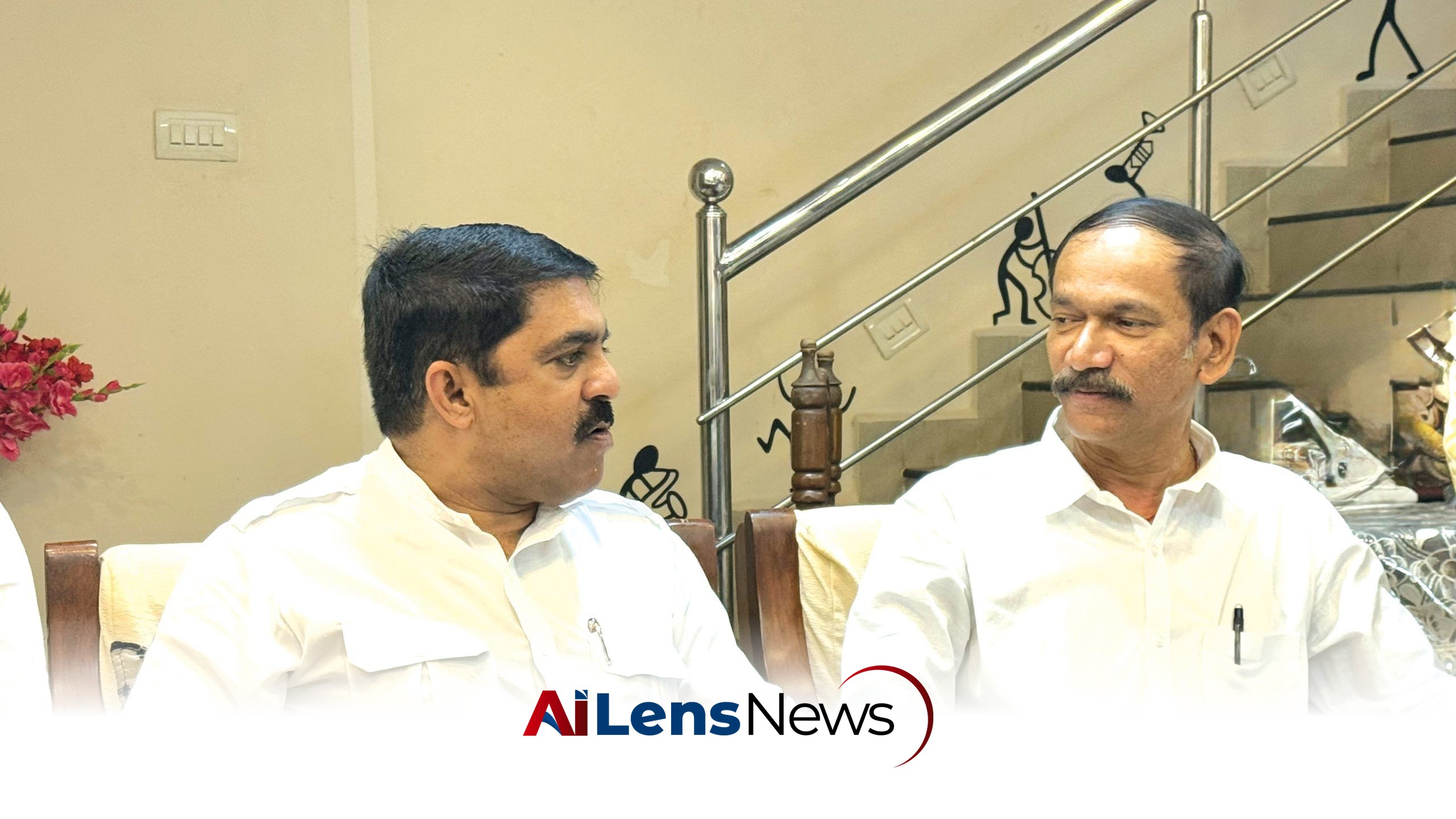


Political buzz intensifies as Congress leader Girish Chodankar hints at contesting elections, fueling talks of a potential alliance with the Goa Forward Party.
New Delhi, India Jul 26, 2026 ALN: Political speculation in Goa is intensifying as the Assembly elections approach, with discussions centering around a potential alliance between the Indian National Congress (INC) and the Goa Forward Party (GFP). The Goa Pradesh Congress Committee (GPCC) president, Girish Chodankar, has publicly expressed his desire to contest the upcoming elections, although he has not yet revealed the specific constituency from which he plans to run. This has led to a flurry of discussions among political analysts, party supporters, and the general public regarding the implications of such an alliance.
The backdrop to this speculation is the current political landscape in Goa, which has seen significant shifts over the past few years. The state has been a focal point of political maneuvering, especially with the Bharatiya Janata Party (BJP) holding power in the state since 2012. The BJP's governance has faced criticism on multiple fronts, including issues related to governance, development, and local concerns, which have fueled opposition sentiments. In this context, the Congress and GFP alliance could represent a strategic move to consolidate anti-BJP votes, aiming to challenge the ruling party's dominance.
Chodankar's announcement has sparked widespread discussion within political circles, particularly as the Congress party seeks to regain its foothold in the state. His statement came during a media interaction where he emphasized his intention to contest the elections, which has been met with a mix of optimism and skepticism from various quarters. The Congress party, historically a significant player in Goan politics, has faced challenges in recent years, including defections and internal strife, which have weakened its position. Thus, the prospect of a strategic alliance with the GFP could be seen as a necessary step to bolster its electoral chances.
The speculation surrounding the Congress-GFP alliance gained momentum when Vijai Sardesai, the president of the GFP and a sitting MLA from Fatorda, visited Chodankar to wish him on his birthday. During this visit, Sardesai publicly endorsed Chodankar's electoral ambitions, stating that he is free to choose his constituency. This gesture of goodwill between the two leaders has been interpreted as a sign of potential collaboration, although Sardesai clarified that no formal discussions regarding a pre-poll alliance had yet taken place.
Sardesai's comments also reflect a growing sentiment among opposition leaders that a united front is necessary to displace the BJP from power. He noted that both he and Chodankar belong to the same constituency, which adds a layer of complexity to any potential alliance, particularly regarding seat-sharing arrangements. Despite this, Sardesai emphasized the importance of acting swiftly, highlighting that voters are increasingly eager for a change in governance and that the time for the opposition to consolidate its efforts is now.
Chodankar echoed this sentiment, expressing a desire for the existing alliance to continue while also being open to discussions with other parties. His assertion that a united front would make it challenging for the BJP to secure a significant number of seats underscores the strategic thinking behind the potential alliance. Chodankar articulated a vision of collaboration, stating, "By us uniting, it will be very difficult for the BJP to touch double digits, and that is the people’s wish also." This statement captures the essence of the opposition's strategy: to pool resources and votes to maximize their chances of success in the elections.
As the Assembly elections draw closer, the lack of formal talks regarding an alliance or seat-sharing has kept the political grapevine active. Political analysts are closely monitoring the developments and the statements from both Chodankar and Sardesai, as they could signal the direction of the opposition's electoral strategy. The absence of a concrete plan, however, raises questions about the effectiveness of the opposition's approach. Without a clear agreement on how to divide constituencies and share resources, the potential for voter confusion and fragmentation remains a concern.
Moreover, the implications of a Congress-GFP alliance extend beyond just electoral strategy. Such a partnership could reshape the political dynamics in Goa, influencing not only the upcoming elections but also the long-term viability of opposition politics in the state. A successful alliance could serve as a blueprint for future collaborations among regional parties, potentially altering the landscape of Goan politics for years to come. Conversely, failure to unite could further entrench the BJP's position and lead to continued fragmentation among opposition parties.
The political context in Goa is further complicated by the state's unique demographic and cultural landscape. Goa, known for its tourism and vibrant culture, has a diverse electorate that includes a significant number of young voters, as well as a sizable population of migrants. The issues that resonate with these voters include employment opportunities, environmental concerns, and the preservation of local culture. The Congress and GFP must navigate these complexities to create a compelling narrative that resonates with the electorate.
In recent years, the BJP has capitalized on its governance record, promoting development projects and infrastructure improvements. However, there has been increasing discontent over issues such as land acquisition for development projects, which some locals feel threatens their livelihoods and traditional ways of life. This discontent could provide an opportunity for the Congress and GFP to present themselves as the viable alternative that prioritizes local interests over corporate ones.
Furthermore, the electoral dynamics in Goa are influenced by the presence of multiple smaller parties and independent candidates that often play spoiler roles in elections. The Congress and GFP will need to consider how these smaller entities might affect their vote share and whether they can attract these groups into a broader coalition. Building a coalition that includes various stakeholders could be essential for maximizing their electoral prospects.
In conclusion, as the elections loom on the horizon, the interplay between the Congress and GFP will be pivotal in shaping the future of governance in Goa. The expressions of intent from both Chodankar and Sardesai suggest a willingness to explore collaboration, but the lack of formal discussions raises uncertainties about the feasibility of such an alliance. The coming weeks will likely be critical as both parties navigate the complexities of electoral politics, constituency dynamics, and the overarching goal of unseating the BJP from power in Goa. The potential alliance not only holds implications for the immediate electoral contest but also for the future of political coalitions in the region, reflecting the evolving nature of political alliances in contemporary India.
To learn more about the latest developments in Elections, stay updated with our exclusive reports and analyses on AiLensNews.

