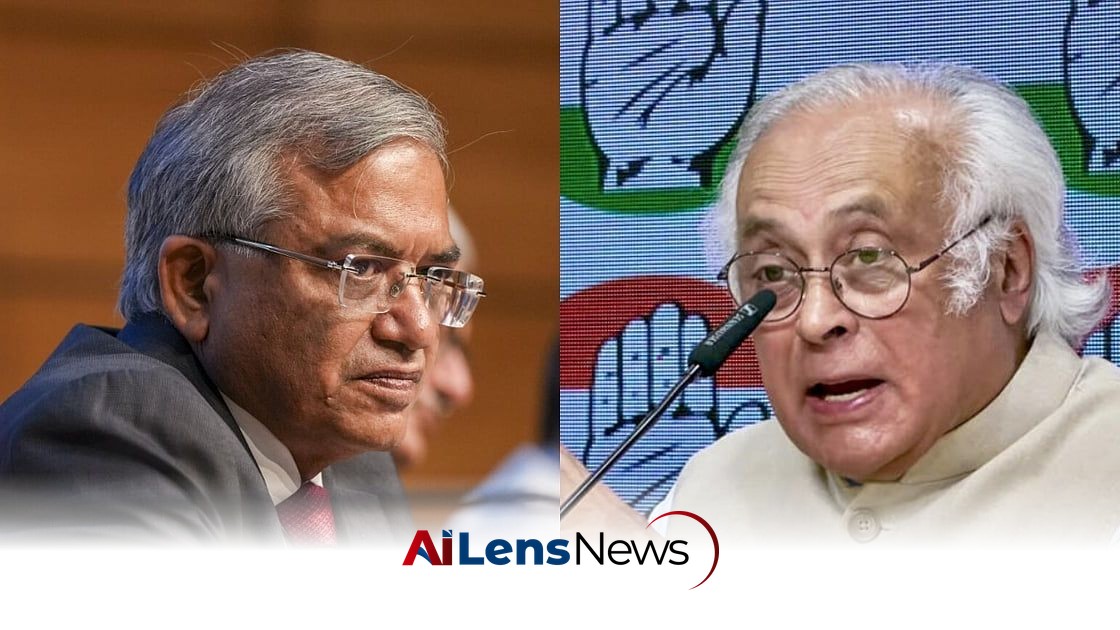


Jairam Ramesh criticizes Gyanesh Kumar as a 'weapon of mass destruction' for electoral rolls, pushing for his removal amid allegations of misconduct.
New Delhi, India Jul 17, 2026 ALN: New Delhi: The political landscape in India is witnessing heightened tensions as Congress leader Jairam Ramesh has sharply criticized Chief Election Commissioner Gyanesh Kumar, labeling him a "complete weapon of mass destruction" concerning electoral rolls in the country. This dramatic rhetoric underscores the growing discontent among opposition parties regarding the integrity of the electoral process in India, particularly in light of recent developments surrounding the Election Commission.
In a significant move, opposition parties submitted a new notice in the Rajya Sabha on April 24, aiming to initiate a motion for the removal of Gyanesh Kumar from his position as the head of the Election Commission. This action comes amid increasing concerns about the fairness and transparency of the electoral process, which is vital to the functioning of a democratic society. The allegations leveled against Kumar include claims of "continued partisan asymmetry in the enforcement of the Model Code of Conduct." This assertion suggests that the opposition believes Kumar has not upheld the impartiality expected from an official in his position, which could undermine the democratic process.
When pressed for updates regarding the notice submitted in April, Ramesh expressed frustration, stating, "We haven't heard anything on that. Absolutely, we have to push. I mean he's a complete weapon of mass destruction as far as electoral rolls are concerned." This statement reflects a sense of urgency among opposition leaders, who are seeking accountability from the Election Commission. Ramesh's comments highlight the perceived urgency of the situation, as the integrity of electoral rolls is foundational to ensuring fair elections.
Ramesh referenced a critical article by Ram Sevak Sharma, a retired IAS officer and the first director general of the Unique Identification Authority of India, who has voiced concerns about the detrimental impact of Kumar's actions. Sharma's critique adds weight to the opposition's claims, as he is a respected figure within the Indian civil service. Ramesh noted, "The most devastating indictment of Mr. Gyanesh Kumar has come from a very senior IAS officer, who has a culturally very important name." This reference indicates that the criticism is not merely political but also rooted in the views of experienced bureaucrats who have served the nation.
Moreover, Ramesh emphasized that the criticism is not solely from the Congress party or the Trinamool Congress (TMC) but also from respected retired civil servants who have served in the Modi government. This broad base of dissent suggests a growing consensus among various political factions and civil society about the need for reform within the Election Commission. Ramesh pointed out that opposition parties had previously submitted a notice on April 24 to move a motion for Kumar's removal, indicating that this is not an isolated incident but part of a larger pattern of dissatisfaction.
In an effort to amplify their claims, Ramesh alleged that "Mr. Gyanesh Kumar is just executing what he's told to do by the home minister (Amit Shah)." This statement intensifies the scrutiny on Kumar's actions and raises questions about the independence of the Election Commission, a body that is expected to operate free from political influence. The implications of such assertions are profound, as they challenge the very foundation of the Election Commission's credibility and its role in safeguarding democratic processes.
The Monsoon session of Parliament is set to commence on July 20 and will conclude on August 13, creating a critical window for the opposition to push their agenda regarding Kumar's removal. Ramesh, alongside TMC leader Sagarika Ghose, submitted the notice to the Rajya Sabha secretary general, marking a significant procedural step in the ongoing political battle. In a statement on X, Ramesh revealed, "In the Rajya Sabha, 73 opposition MPs have just submitted a new notice of motion to their Secretary General to present an addressed resolution to the President of India, urging the removal from office of the Chief Election Commissioner Gyanesh Kumar." This coordinated effort demonstrates a united front among various opposition parties, signaling a serious challenge to Kumar's position.
The demand for Kumar's removal is grounded in allegations of proven misconduct stemming from actions and errors made on March 15, 2026. These allegations fall under Article 324(5) of the Constitution of India, as well as Section 11(2) of the Chief Election Commissioner and Other Election Commissioners (Appointment, Conditions of Service and Term of Office) Act, 2023, and the Judges (Inquiry) Act, 1968. This legal framework provides the basis for the opposition's claims, highlighting the seriousness with which they regard the situation. Ramesh highlighted that there are now nine specific charges against the CEC, meticulously documented and undeniable, indicating that the opposition is prepared to substantiate its claims with detailed evidence.
Members of various opposition parties, including the Congress, TMC, Samajwadi Party (SP), Dravida Munnetra Kazhagam (DMK), Left parties, Shiv Sena (UBT), Nationalist Congress Party (NCP), Rashtriya Janata Dal (RJD), Indian Union Muslim League (IUML), and other like-minded parties, have signed the notice, according to sources. This broad coalition reflects a significant level of cross-party collaboration, which is relatively rare in Indian politics. The implications of this coalition could extend beyond the immediate issue of Kumar's removal, potentially signaling a shift in the dynamics of opposition politics in India.
This move follows the rejection of similar notices submitted by opposition MPs in both the Lok Sabha and the Rajya Sabha, marking a significant moment as it is the first time a notice seeking the removal of a Chief Election Commissioner has been presented in Parliament. The historical context of this action is crucial, as it underscores the increasing tensions between the ruling party and the opposition regarding the perceived integrity of democratic institutions in India. The Election Commission has traditionally been viewed as a guardian of free and fair elections, and any perceived erosion of its impartiality can have far-reaching consequences for the health of democracy in the country.
As the Monsoon session approaches, the political stakes are high. The demand for Kumar's removal could set a precedent for future actions against electoral officials and may influence the broader narrative surrounding the integrity of elections in India. The opposition's united front against Kumar illustrates the depth of their concerns and the lengths to which they are willing to go to ensure that the electoral process remains transparent and accountable. In a democratic society, the ability of opposition parties to hold the ruling government accountable is essential, and the developments surrounding Gyanesh Kumar's tenure as Chief Election Commissioner will be closely watched by both political analysts and the public alike.
To learn more about the latest developments in Political Controversies, stay updated with our exclusive reports and analyses on AiLensNews.

