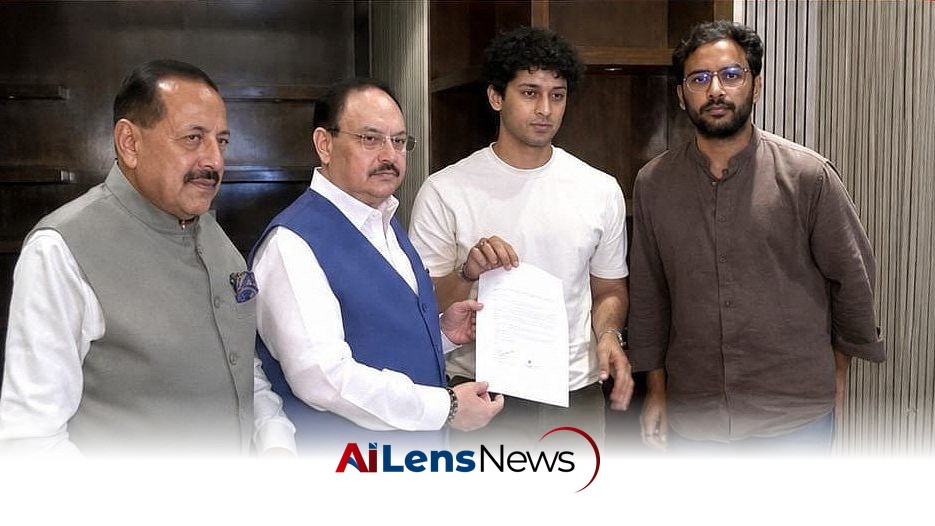


As the Cockroach Janta Party prepares for crucial negotiations with the government, demands for Education Minister Dharmendra Pradhan's resignation remain non-negotiable.
New Delhi, India Jul 25, 2026 ALN: As the Cockroach Janta Party (CJP) gears up for a pivotal third round of negotiations with the Indian government, the atmosphere in Delhi is charged with anticipation. The ongoing protests, ignited by allegations of a leak in the NEET-UG 2026 exam, have drawn national attention, reflecting broader concerns about educational integrity and governmental accountability.
The CJP's agitation has unfolded against a backdrop of escalating political tensions and public unrest. The first two rounds of discussions with Union Ministers JP Nadda and Jitendra Singh failed to yield any significant progress, particularly regarding the CJP's primary demand for the resignation of Union Education Minister Dharmendra Pradhan. This demand has been characterized by CJP leaders as "non-negotiable," indicating the seriousness with which they approach the issue.
The protests have not only been a demonstration of student discontent but have also galvanized political figures across party lines. On July 25, the protests intensified, with CJP organizing nationwide demonstrations under the banner of "One District, One Day, One Demand". This campaign aims to unify various local movements into a cohesive national protest, highlighting the widespread nature of the discontent among students and their supporters.
Despite the government's willingness to entertain some of the protesters' demands—such as compensation for affected families and the withdrawal of FIRs against peaceful demonstrators—the resignation of Pradhan remains a sticking point. The refusal to consider this demand reflects a broader reluctance within the government to concede to what they may perceive as a challenge to their authority.
In the midst of these protests, CJP leader Sonam Wangchuk has faced scrutiny over allegations of striking a deal with the government. Wangchuk has publicly stated that he suspended his hunger strike only after receiving written assurances from the government, emphasizing his concern for the safety of students amidst fears of a violent crackdown similar to incidents in Ladakh the previous year. His remarks underscore the precarious nature of the protests, as student activism increasingly intersects with political maneuvering.
Adding to the complexity of the situation, CJP founder Abhijeet Dipke has revealed that he has been diagnosed with typhoid. His health condition raises questions about his future involvement in the protests, especially as the CJP prepares for critical negotiations. The timing of his illness is particularly poignant, as it coincides with a moment of heightened tension and uncertainty for the movement.
On the governmental side, Prime Minister Narendra Modi has announced initiatives aimed at addressing the broader issue of paper leaks in examinations. Plans to establish fast-track courts for such cases signal an acknowledgment of the public's frustration with corruption and malpractice in the education sector. Modi's outreach to the youth through social media platforms like Instagram Reels indicates an attempt to connect with a demographic that has become increasingly vocal about their grievances.
As the CJP prepares for its third round of talks, reports have surfaced regarding the Delhi Police's use of facial recognition technology to identify individuals with criminal records near protest sites. This development raises significant concerns about civil liberties and the potential for state overreach in monitoring dissent. The implications of such surveillance tactics could deter participation in future protests and contribute to a climate of fear among demonstrators.
In a show of solidarity, Rahul Gandhi, the Leader of Opposition in the Lok Sabha, has voiced support for the protesting students, emphasizing their three core demands, including the removal of Pradhan. Gandhi's involvement highlights the political ramifications of the protests, suggesting that they may influence broader electoral dynamics as parties seek to align themselves with popular movements.
The CJP's statement regarding the government's choices—either to accept the protesters' demands or escalate its response—reflects a growing impatience and determination among demonstrators. The mention of military equipment being moved into Delhi raises alarms about the potential for violent confrontations, and the CJP's rhetorical question about whether the government intends to "turn its weapons on its own children" underscores the gravity of the situation.
In response to the ongoing unrest, the Delhi Police have scheduled a press briefing to address what they describe as misleading information circulating on social media about the protests. This move indicates an effort by law enforcement to control the narrative surrounding the demonstrations, which have garnered significant media attention.
In a separate incident, Safdarjung Hospital clarified its position regarding the treatment of activist Sonam Wangchuk, stating that a video of him released by aides was recorded in violation of hospital protocols. This clarification aims to mitigate any potential backlash against the hospital for its handling of Wangchuk's case and to maintain public trust in medical institutions amidst political turmoil.
As the third round of negotiations approaches, the CJP is demanding a clear response from the government regarding Pradhan's resignation. CJP spokesperson Ashutosh Ranka has articulated the group’s expectations for written confirmation on other demands that have received preliminary approval. This insistence on clarity underscores the urgency felt by protesters as they seek resolution to their grievances.
Abhijeet Dipke's health condition, coupled with the ongoing protests, presents a challenging scenario for the CJP. His commitment to the movement, despite undergoing treatment for typhoid, illustrates the dedication of leadership within the CJP, but also raises concerns about the sustainability of the protest efforts without strong leadership.
Despite Prime Minister Modi's recent appeal to end the protests, the CJP has firmly rejected his overtures, reiterating that their movement centers on accountability and justice for affected students. The refusal to back down highlights the deep-seated frustrations among the student populace and their allies, who feel that their voices have been marginalized in discussions about educational reform and integrity.
As the situation unfolds, the potential for further escalation remains high. The outcome of today's talks could either pave the way for a resolution or intensify the protests, which have already captured the attention of the nation. The implications of this movement extend beyond the immediate demands of the CJP, touching upon larger themes of governance, accountability, and the role of youth in shaping political discourse in India.
In conclusion, the CJP's protests over the alleged NEET-UG 2026 paper leak have become a focal point for broader societal issues surrounding education and governance. With negotiations set to resume, the stakes are high for both the protesters and the government, as the nation watches closely to see if a compromise can be reached or if the agitation will continue to grow in intensity.
To learn more about the latest developments in Political Controversies, stay updated with our exclusive reports and analyses on AiLensNews.

