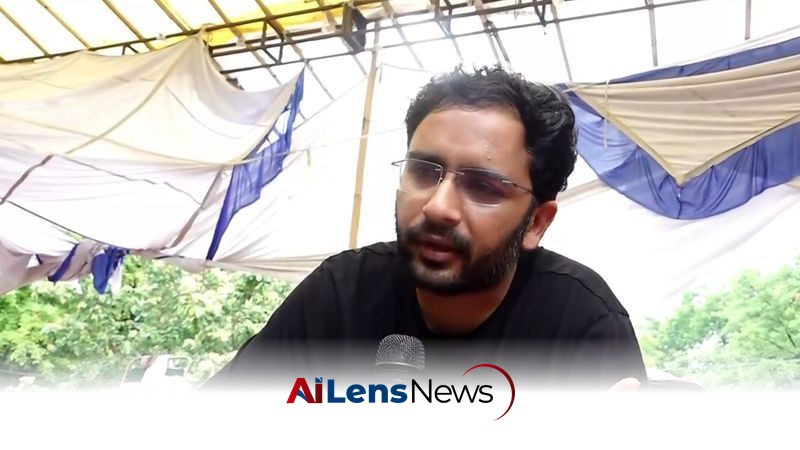


The Cockroach Janta Party (CJP) has announced a meeting with Union Health Minister JP Nadda, set for Wednesday noon at Jantar Mantar, according to a senior official.
New Delhi, India Jul 22, 2026 ALN: The Cockroach Janta Party (CJP) has confirmed that Union Health Minister JP Nadda has called for a meeting scheduled for Wednesday noon. This announcement was made by a senior official of the party, indicating a renewed dialogue with the central government. Such meetings between political parties and government officials are essential for fostering cooperation and addressing critical issues that affect the populace, particularly in the realm of public health. The significance of these discussions cannot be overstated, as they often shape the future of health-related policies that directly impact the lives of millions of citizens.
The meeting is expected to take place at Jantar Mantar, a significant location for political gatherings and protests in New Delhi. This venue choice underscores the CJP's commitment to engaging with the public and media during the discussions. Jantar Mantar is historically known as a site where citizens gather to voice their concerns and demands to the government. By choosing this location, the CJP signals its intention to not only discuss matters behind closed doors but also to invite public scrutiny and participation in the dialogue concerning health policies. The choice of Jantar Mantar also reflects the party's strategy to leverage public sentiment and media attention, drawing awareness to the issues at hand while emphasizing transparency in political processes.
In recent months, the CJP has been vocal about various health policies and initiatives, and this meeting with Nadda could be pivotal in addressing their concerns and suggestions. The party's leadership aims to discuss pressing health issues and seek clarity on the government's plans moving forward. The CJP has raised concerns over several policies, including the accessibility of healthcare services, the implementation of health schemes, and the overall state of public health infrastructure in the country. These discussions are particularly timely given the ongoing debates surrounding health reform and the need for a robust healthcare system capable of addressing both current and future challenges.
One of the key issues that may be on the agenda is the ongoing challenge of healthcare access in rural and underserved urban areas. The CJP has previously highlighted disparities in healthcare delivery and the need for more comprehensive health programs that cater to the needs of all citizens, particularly marginalized communities. The meeting with Minister Nadda presents an opportunity for the CJP to advocate for these vulnerable populations and push for policy changes that would enhance healthcare access and quality. Addressing these disparities is crucial, as they often result in significant health outcomes that vary dramatically based on geographic and socio-economic factors.
Another significant topic likely to be discussed is the government's response to public health crises, such as the COVID-19 pandemic. The CJP has criticized the government’s handling of the pandemic in the past, emphasizing the need for better preparedness and response strategies. This meeting could serve as a platform for the party to propose actionable recommendations for future health emergencies, ensuring that the lessons learned from the pandemic are not forgotten and that the healthcare system is better equipped to handle similar challenges in the future. The pandemic has exposed vulnerabilities in the healthcare system, and addressing these weaknesses is essential for building resilience against future health crises.
As the meeting approaches, many are watching closely to see how this dialogue will unfold and what implications it may have for public health policy in India. Analysts and political observers are keen to assess whether the CJP can effectively leverage this meeting to influence government policy or if it will merely serve as a symbolic gesture without substantial outcomes. The public's interest in this meeting is heightened by the ongoing discussions around healthcare reform and the demand for transparency from the government regarding its health initiatives. The outcome may not only affect the CJP's political standing but also shape the broader discourse on health governance in the country.
The CJP's proactive approach in seeking a platform for discussion reflects its strategy to remain relevant in the political landscape, especially in matters concerning health and welfare. Political parties in India often use such meetings to bolster their public image and demonstrate their commitment to addressing the needs of citizens. For the CJP, this meeting could be an opportunity to consolidate its position as a serious player in the political arena, especially if it can effectively communicate its proposals and concerns to the Union Health Minister. The ability to articulate a clear vision for health policy could resonate with voters who prioritize healthcare access and quality.
Furthermore, the implications of this meeting extend beyond the immediate concerns of the CJP and the health ministry. The outcomes of such discussions can set a precedent for future engagements between political parties and government officials, potentially leading to more collaborative approaches to policymaking. If the meeting results in actionable commitments from the government, it could pave the way for similar dialogues with other political entities, fostering a more inclusive approach to health governance in India. This could also lead to a more participatory model of policymaking, where various stakeholders, including civil society and healthcare professionals, have a voice in shaping health policies.
In conclusion, the upcoming meeting between the CJP and Union Health Minister Nadda is anticipated to be a crucial step in fostering communication between the government and the party, potentially influencing future health policies. The importance of such dialogues cannot be understated, as they serve as a vital link between the government’s actions and the public’s needs. As the healthcare landscape continues to evolve, the ability of political parties to engage constructively with the government will be essential in shaping policies that truly benefit the citizens of India. The outcome of this meeting will likely be scrutinized not only for its immediate impacts but also for its potential to inform long-term health policy directions in the country.
To learn more about the latest developments in Elections, stay updated with our exclusive reports and analyses on AiLensNews.

