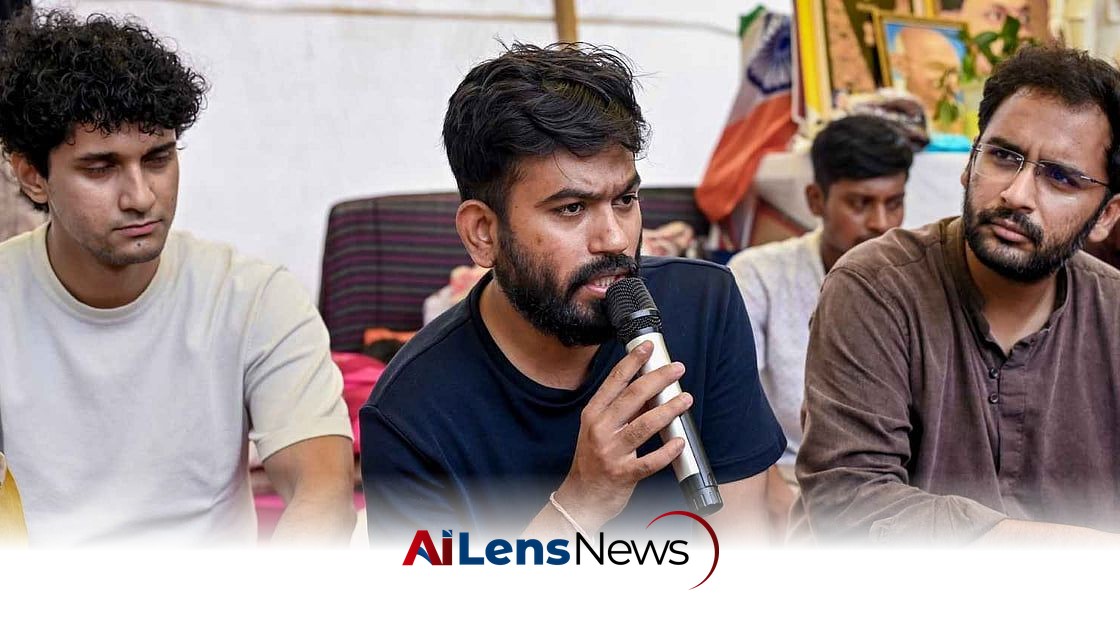


Abhijeet Dipke, founder of the Cockroach Janta Party, reveals his typhoid diagnosis but insists protests demanding Union Minister Dharmendra Pradhan's resignation will persist.
New Delhi, India Jul 25, 2026 ALN: Cockroach Janta Party (CJP) founder Abhijeet Dipke on Saturday announced that he had been diagnosed with typhoid but remained resolute that his illness would not hinder the ongoing movement demanding the resignation of Union Education Minister Dharmendra Pradhan. This announcement comes amidst a backdrop of significant public agitation and widespread protests regarding alleged irregularities in competitive examinations in India.
In a video message shared on social media platforms, Dipke expressed his gratitude towards the CJP supporters who have been actively participating in protests across the nation. He acknowledged that he had been feeling unwell for several days prior to his diagnosis and is currently undergoing medical treatment to combat the illness. Typhoid fever, caused by the bacterium Salmonella typhi, can lead to serious health complications if not treated properly, which makes Dipke’s commitment to the movement even more notable.
"As you know, I have been unwell for the last few days. The reports are out and I have been diagnosed with typhoid," he stated, emphasizing the seriousness of his condition. He went on to elaborate on his treatment regimen, mentioning that he is receiving intravenous (IV) medication daily to manage his symptoms and combat the infection. Despite the challenges posed by his health, Dipke's focus remains on the movement and its objectives.
"The treatment is going on. I am getting IV drips every day. But I want to thank all the cockroaches who are protesting peacefully across the country," he said, referring to the supporters of his party in a term that has become emblematic of their grassroots movement. His statement highlights the solidarity and commitment of the CJP's supporters, who have been pivotal in sustaining the momentum of the protests.
Dipke congratulated his supporters for their efforts in expanding the movement and expressed his confidence that sustained peaceful protests would ultimately lead to their primary demand being met—namely, the resignation of Union Minister Dharmendra Pradhan. "Congratulations to all of you for making this movement such a big success. I am very sure that if we continue protesting like this, we will get Dharmendra Pradhan's resignation," he asserted. This confidence underscores the determination of the CJP to hold government officials accountable for their actions.
The agitation led by the CJP was initiated in response to a series of alleged irregularities in competitive examinations, which have raised serious concerns about the integrity of the examination system in India. The movement has called for greater accountability within the education sector, demanding reforms in recruitment processes and entrance tests that determine student admissions into higher education institutions. The CJP's demands also include a call for Minister Pradhan's resignation, which they believe is essential for restoring public trust in the examination system.
Support for the CJP-led agitation has been bolstered by the involvement of various public figures, including prominent activist Sonam Wangchuk. Wangchuk joined the protests on June 28 and undertook a 26-day hunger strike to draw attention to the issues surrounding the examination system. His participation brought additional visibility to the movement, highlighting the significant impact that public figures can have on grassroots activism.
Wangchuk concluded his hunger strike earlier this week after receiving written assurances from the Central government. These assurances included commitments that no legal actions would be taken against peaceful protesters, that Parliament would engage in discussions regarding examination reforms and accountability, and that compensation for families of students who had tragically died by suicide following the alleged NEET paper leak would be positively considered. This development marked a notable moment in the ongoing protests, as it demonstrated that the government was willing to engage with the demands of the protesters to some extent.
Despite the positive developments from Wangchuk's negotiations with the government, the CJP has maintained that their protests at Jantar Mantar will persist until Minister Pradhan resigns. This steadfast position reflects the deep-seated frustrations among students and their supporters regarding perceived failures in the education system and governance. The CJP's determination to continue their protests indicates a broader demand for systemic change in how educational examinations are conducted and overseen.
The implications of this ongoing movement extend beyond the immediate demands for resignation and reform. It highlights the growing discontent among students and their families regarding the education system in India, particularly in light of recent controversies surrounding examination leaks and the mental health crisis among students. The protests have become a platform for voicing broader concerns about the quality and fairness of education in the country, as well as the pressures faced by students in a highly competitive academic environment.
Furthermore, the CJP's movement reflects a larger trend of youth activism in India, where young people are increasingly vocal about their rights and the accountability of public officials. This activism has the potential to reshape the political landscape, as it mobilizes a generation that is deeply invested in the future of their education and career prospects. The outcome of the CJP's protests could set important precedents for how student movements are perceived and treated by the government in the future.
As Abhijeet Dipke continues his treatment for typhoid, the focus remains on the CJP's ability to sustain the momentum of their protests and achieve their objectives. The coming weeks will be crucial in determining whether the movement can translate its grassroots support into tangible changes in policy and governance within the education sector. The determination shown by Dipke and his supporters serves as a reminder of the power of collective action in advocating for change, even in the face of personal health challenges.
To learn more about the latest developments in Political Controversies, stay updated with our exclusive reports and analyses on AiLensNews.

