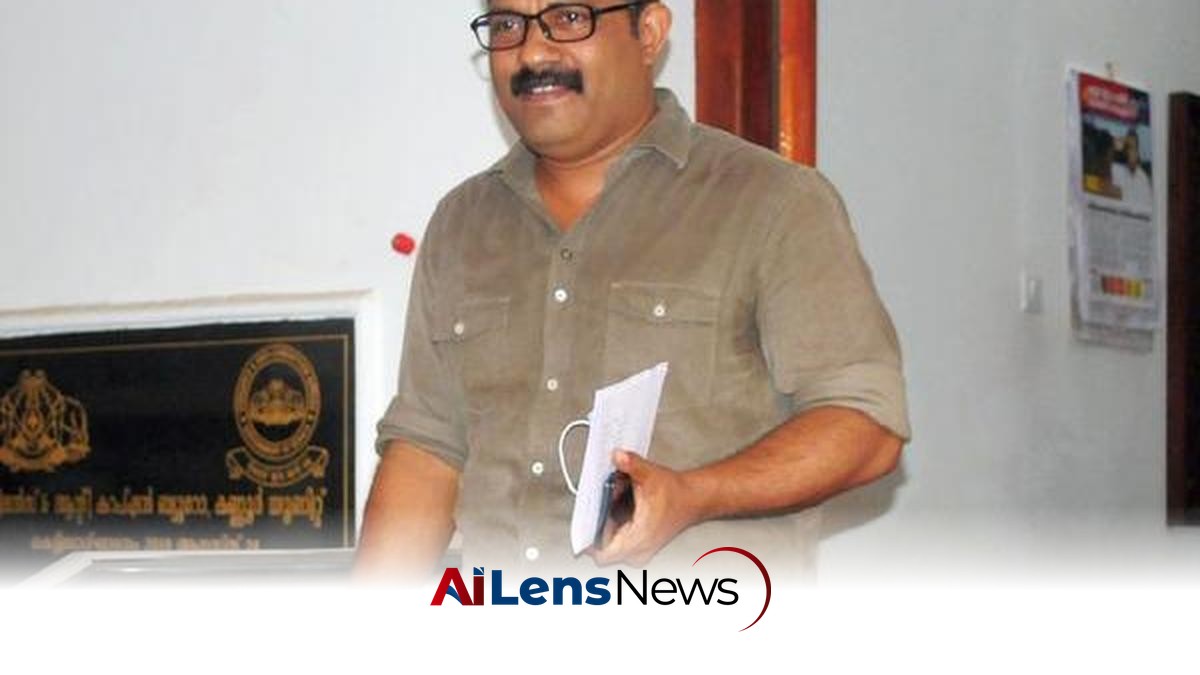


The Vigilance and Anti Corruption Bureau raided K.M. Shaji's homes in Kozhikode and Kannur, investigating allegations of disproportionate wealth.
Chandigarh, India Apr 12, 2021 ALN: A special unit of the Vigilance and Anti Corruption Bureau (VACB) conducted raids on April 12 at the residential properties of Indian Union Muslim League (IUML) legislator K.M. Shaji in Kannur and Kozhikode. The action was taken due to allegations that Mr. Shaji has amassed wealth disproportionate to his known sources of income.
The raids were prompted by a case registered against Mr. Shaji, which claims he has accumulated an additional income of ₹1.4 crore over the last nine years. This wealth reportedly includes his residential house, landed property, and shares in real estate investments. The investigation into Mr. Shaji's financial dealings raises significant questions about the transparency and accountability of public figures, particularly in a political landscape that has been scrutinized for corruption.
Mr. Shaji represents the Azhikode assembly constituency in Kannur district and is currently seeking re-election from this segment. His political career has been marked by involvement in various social and developmental initiatives, which have garnered him a loyal voter base. However, the allegations of financial impropriety could tarnish his reputation and impact his electoral prospects. The VACB had previously submitted a preliminary report to the Kozhikode Vigilance Inquiry Commissioner and Special Judge regarding the allegations against him. Following this, the court allowed the VACB to proceed with the investigation.
The implications of the VACB's actions are significant not only for Mr. Shaji but also for the IUML party, which has historically positioned itself as a champion of social justice and integrity. Any findings that substantiate the allegations could lead to broader repercussions within the party, potentially affecting its image and electoral performance in the upcoming elections. The IUML, being a prominent political entity in Kerala, has a vested interest in maintaining the integrity of its members, and any scandal involving a sitting legislator could lead to a loss of public trust.
Corruption allegations against politicians are not uncommon in India, where several high-profile cases have emerged over the years, often leading to significant political upheaval. The VACB, established to combat corruption in the state, has been active in investigating cases involving public officials, and its recent actions against Mr. Shaji are part of a broader effort to enhance accountability among elected representatives. The agency's mandate includes not only investigating corruption but also ensuring that public servants adhere to ethical standards.
The Vigilance court is scheduled to review an affidavit related to the case on April 13, which will further determine the course of action. This review is a critical step in the judicial process, as it will assess the validity of the evidence presented by the VACB and determine whether further legal action is warranted. The outcome of this review could set a precedent for similar cases in the future, influencing how corruption allegations are handled within the state's political framework.
Public reaction to the raids has been mixed. Supporters of Mr. Shaji argue that the investigations are politically motivated, aimed at undermining his re-election campaign. Critics, on the other hand, view the VACB's actions as a necessary step toward ensuring accountability and transparency in governance. The political climate in Kerala is often charged, with various parties vying for influence and power, and allegations of corruption can quickly escalate into major political battles.
As the situation develops, the focus will likely remain on the legal proceedings and the VACB's findings. The agency's ability to substantiate the allegations against Mr. Shaji will be crucial not only for the legislator's future but also for the credibility of the VACB itself. An effective investigation that leads to actionable findings could bolster public confidence in the agency's role in combating corruption, while a failure to do so could lead to skepticism about its effectiveness.
In the broader context, the case against Mr. Shaji highlights ongoing concerns about corruption in Indian politics. Despite numerous anti-corruption measures and agencies in place, the perception of widespread corruption persists, often leading to public disillusionment with the political process. The VACB's investigation serves as a reminder of the need for vigilance and accountability among those in positions of power, as well as the importance of public trust in democratic institutions.
Ultimately, the outcome of the VACB's investigation and the subsequent court proceedings will have lasting implications for Mr. Shaji, the IUML party, and the political landscape in Kerala. As citizens await the court's decision, the case underscores the critical balance between political ambition and ethical governance, a theme that resonates deeply within the fabric of Indian democracy.
The IUML, founded in 1948, has been a significant player in Kerala's political arena, often advocating for the rights and welfare of the Muslim community while also promoting secular and democratic values. The party's stance on social justice has resonated with many voters, and it has historically been part of various coalition governments in the state. However, the current allegations against Mr. Shaji could potentially alter the party's trajectory, especially if they lead to a loss of trust among its constituents.
In Kerala, where political affiliations often dictate social and economic interactions, the ramifications of such scandals can extend beyond individual politicians to affect entire communities and their political alignments. The IUML's response to these allegations will be closely watched, as any perceived failure to address corruption could alienate its base and lead to a decline in support during elections.
Moreover, the VACB's actions could set a precedent for how similar cases are handled in the future. Given the increasing scrutiny of political figures in India, the agency's effectiveness in managing this case may influence public perception of its capabilities and the broader fight against corruption. If the VACB successfully establishes a pattern of accountability, it could pave the way for more rigorous investigations into other allegations of corruption involving public officials.
Furthermore, the political dynamics in Kerala are complex, with multiple parties vying for power and influence. The upcoming elections will be a critical test for all parties, including the IUML, as they navigate the challenges posed by these allegations. The ability of political parties to maintain their integrity and respond effectively to corruption allegations will play a significant role in shaping the electoral landscape in the state.
As the investigation unfolds, it will be essential for the public and political analysts to observe not only the legal outcomes but also the broader implications for governance in Kerala. The case against Mr. Shaji serves as a reminder of the ongoing challenges faced by political leaders in maintaining ethical standards while pursuing their ambitions. The intersection of politics, ethics, and public trust remains a central theme in discussions about democracy and governance in India.
In conclusion, the VACB's raids on K.M. Shaji's properties bring to light critical issues surrounding corruption and accountability in Indian politics. As the investigation progresses and the court reviews the evidence, the outcomes will resonate beyond the immediate context, influencing public perception of political integrity and the effectiveness of anti-corruption measures in place. The case stands as a significant moment in Kerala's political history, with potential implications for the future of the IUML, the credibility of the VACB, and the overall health of democracy in the region.
To learn more about the latest developments in Political Controversies, stay updated with our exclusive reports and analyses on AiLensNews.

