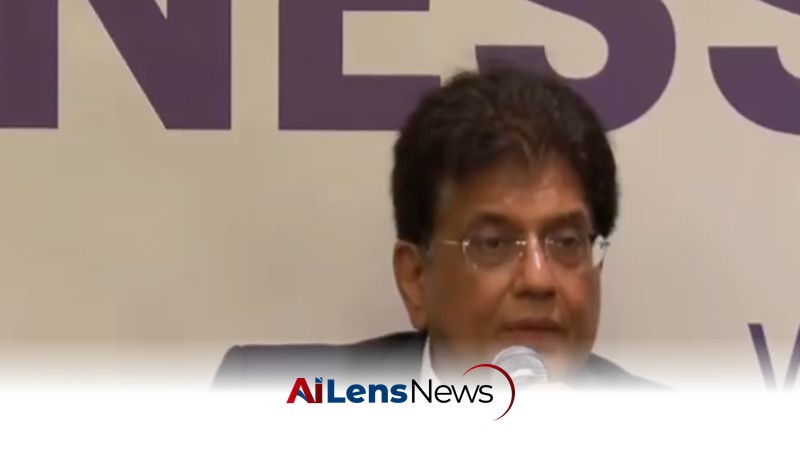


Union Minister Piyush Goyal has filed a police complaint regarding a deepfake video that falsely depicts him making inflammatory comments about the Cockroach Janta Party.
Chandigarh, India Jul 25, 2026 ALN: Union Minister Piyush Goyal has recently filed a police complaint against a viral deepfake video that misrepresents him making inflammatory remarks about the Cockroach Janta Party (CJP). This incident has not only raised alarms about the specific content of the video but also about the broader implications of deepfake technology in the realm of politics and public discourse. The video has circulated widely on social media, raising concerns about misinformation and its potential impact on public perception, particularly in a politically charged environment.
Deepfake technology utilizes artificial intelligence to create realistic-looking videos that can depict individuals saying or doing things they never actually did. This technology has advanced significantly in recent years, making it easier for creators to manipulate footage in ways that can mislead audiences. The ethical implications of such manipulations are profound, as they challenge the very foundations of trust in media and public figures. Goyal's complaint emphasizes the urgent need for stricter regulations to combat the spread of false information that can harm reputations and mislead the public.
The government’s swift response to the incident—ordering the immediate takedown of the video from all platforms—reflects an increasing recognition of the dangers posed by deepfakes. Authorities are also investigating the origins of the video and the individuals behind its creation, which indicates a commitment to not only addressing the immediate issue but also understanding the mechanisms that allow such misinformation to spread. This proactive approach is crucial in a digital landscape where misinformation can proliferate rapidly, often outpacing the ability of regulatory bodies to respond.
This incident underscores the growing challenges posed by deepfake technology, which can create realistic but false representations of individuals. These manipulations can lead to serious consequences in political and social contexts, including the potential to incite violence, sow discord, or undermine trust in legitimate news sources. The ability to create convincing fake videos can also lead to a culture of skepticism, where audiences find it increasingly difficult to discern truth from fabrication. This skepticism can have a chilling effect on public discourse, as individuals may become hesitant to engage with information or express their opinions for fear of being misrepresented.
The implications of this situation extend beyond Goyal and the CJP; they touch on the broader landscape of political communication and public trust. As misinformation becomes more sophisticated, the public's ability to engage with political discourse may be hindered. This is particularly relevant in democratic societies where informed citizenry is essential for the functioning of the political system. The challenge lies not only in combating the spread of deepfakes but also in educating the public about media literacy and critical consumption of information. Initiatives aimed at improving media literacy could empower individuals to critically evaluate the content they encounter online, fostering a more informed electorate.
Moreover, the rise of deepfake technology has prompted discussions about the legal frameworks necessary to address these issues. Current laws may not adequately cover the nuances of digital manipulation, leading to calls for new regulations that specifically target the creation and distribution of deepfakes. In many jurisdictions, existing laws regarding defamation, privacy, and intellectual property may be insufficient to address the unique challenges posed by this technology. This gap in the legal framework raises questions about how to balance the need for free expression with the need to protect individuals from malicious misrepresentation.
In light of this incident, there may be an increased push for tech companies to take responsibility for the content shared on their platforms. Social media companies have faced criticism for their roles in the dissemination of misinformation, and this case could serve as a catalyst for more stringent content moderation policies. Companies may need to invest more in technologies that can detect deepfakes and other forms of manipulated media, as well as enhance transparency regarding their efforts to combat misinformation. The development of effective detection tools is crucial, as it can help mitigate the risks associated with deepfakes and restore trust in online platforms.
As the situation develops, Goyal's actions may set a precedent for how similar cases are handled in the future. The legal outcomes of his complaint could influence how public figures respond to deepfake incidents and how authorities prioritize investigations into such matters. Furthermore, this case could encourage other individuals who have been victimized by deepfakes to come forward and seek legal recourse, thereby increasing awareness of the issue. A collective response from affected parties could lead to a stronger push for regulatory changes and better protective measures against digital manipulation.
In conclusion, the emergence of deepfakes presents a complex challenge that intersects technology, ethics, law, and public trust. As society grapples with the implications of such advancements, the actions taken by individuals like Piyush Goyal may play a crucial role in shaping the future of digital accountability. The need for a collaborative approach involving policymakers, technology companies, and the public is more critical than ever to ensure that the integrity of information remains intact in an increasingly digital world. This collaborative effort is essential not only for protecting individuals from potential harm but also for safeguarding the democratic processes that rely on informed and engaged citizens. As deepfake technology continues to evolve, so too must our strategies for addressing its implications.
To learn more about the latest developments in Political Controversies, stay updated with our exclusive reports and analyses on AiLensNews.

