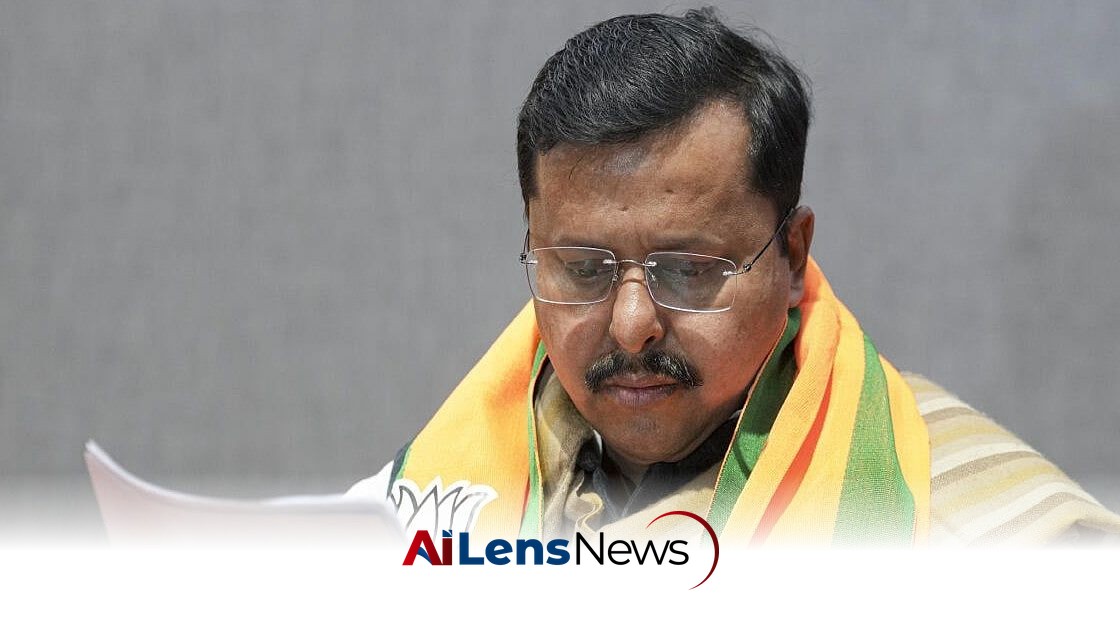


A crucial BJP meeting led by PM Modi and Amit Shah hints at a new team formation under Nitin Nabin ahead of the Monsoon Session of Parliament.
New Delhi, India Jul 16, 2026 ALN: New Delhi: A late-night meeting among the bigwigs of the Bharatiya Janata Party (BJP) has led to speculations about the announcement of the party’s new team under president Nitin Nabin. Late Thursday night, a meeting took place between Prime Minister Narendra Modi, Home Minister Amit Shah, General Secretary B L Santhosh, and Nitin Nabin, just days ahead of the Monsoon Session of Parliament. This was the second such meeting within a short span, indicating a sense of urgency and strategic planning within the party.
The meeting, which took place at the prime minister’s residence, lasted for more than two hours. Following the conclusion of this meeting, Amit Shah held another discussion with the Prime Minister for over 45 minutes, suggesting that key decisions were being made regarding the party's future direction and organizational structure. This level of engagement among the top brass of the BJP reflects the importance of the upcoming legislative session and the necessity for the party to present a cohesive strategy.
The National Democratic Alliance (NDA) is scheduled to hold its parliamentary party meeting on July 21, following an all-party meeting slated for May 19. The Monsoon Session of Parliament is set to commence on July 20 and will run until August 13. This timing underscores the importance of the organizational reshuffle, as it could have implications for the party's strategy in the upcoming session. The Monsoon Session is traditionally a crucial period for the government, as it often addresses significant legislative matters, including budget discussions and key reforms.
Sources within the BJP have indicated that the late-night meeting was primarily focused on the anticipated organizational rejig within the party. A similar meeting occurred at Defence Minister Rajnath Singh’s residence a few days prior, while the Prime Minister was on tour, further emphasizing the ongoing discussions about the party's structure. Nitin Nabin, who was appointed as the BJP president in January of this year, is expected to unveil his own team of office-bearers soon. His leadership style and vision for the party will be scrutinized as he seeks to consolidate his influence and implement his strategies.
The new list of office-bearers is likely to be announced ahead of the Monsoon Session of Parliament. This timing is significant as it allows the party to present a united front and a refreshed leadership team during a crucial period of legislative activity. The organizational reshuffle is seen as a strategic move to align the party's leadership with its long-term objectives, particularly as it gears up for future elections. Electoral considerations are also anticipated to play a pivotal role in shaping the new appointments, as the party prepares for elections in various states.
According to a general secretary within the party, key states such as Uttar Pradesh and the border state of Punjab are heading toward elections in 2027. Therefore, the names included in the new team will need to reflect the political equations in these critical states. This strategic approach is indicative of the BJP's focus on consolidating its influence in regions that are vital for its electoral success. Uttar Pradesh, being the most populous state in India, holds significant sway in the national political landscape, while Punjab's dynamics are crucial for the party's outreach to the Sikh community and its efforts to regain lost ground.
BJP leaders have indicated that previous meetings were centered on deliberating the names of potential candidates for various positions within the party. The meeting on Wednesday, in particular, was significant as the names were vetted by the Prime Minister himself. It has been reported that the Prime Minister has suggested some changes to the proposed candidates, which highlights the centralization of decision-making within the party and the importance of Modi's vision in shaping the party's future. This centralization may reflect Modi's desire to maintain a cohesive strategy across the party, ensuring that new appointments align with his broader vision for governance.
One of the noteworthy aspects of the upcoming reshuffle is the emphasis on ensuring greater representation of women and young leaders within the party's leadership. This move aligns with broader trends observed in political parties worldwide, where there is an increasing recognition of the need for diverse representation and fresh perspectives in leadership roles. The BJP has faced criticism in the past for its male-dominated leadership, and this shift could be an attempt to address those concerns and appeal to a younger, more diverse electorate. Furthermore, the inclusion of surprise names, including experts from critical fields, could signal a shift towards a more inclusive and dynamic approach to governance and policy-making.
The implications of this organizational reshuffle extend beyond internal party dynamics. The changes in leadership and the strategic appointments could significantly impact the BJP's effectiveness in addressing pressing national issues during the Monsoon Session. With the country facing challenges such as economic recovery post-pandemic, agricultural reforms, and social issues, the new team will need to navigate these complexities while maintaining the party's electoral base. The reshuffle may also affect the party's legislative agenda, as new leaders may bring different priorities and approaches to the table.
Moreover, the reshuffle could also influence the BJP's approach to coalition politics, especially with the NDA's composition being a critical factor in legislative success. As the party prepares for future electoral battles, the ability to maintain unity among coalition partners while also appealing to a broader voter base will be essential. The BJP's relationship with its allies and the management of coalition dynamics will play a crucial role in its legislative effectiveness and electoral success in the coming years.
In conclusion, the late-night meeting among BJP leaders signals a pivotal moment for the party as it prepares for the upcoming Monsoon Session and future electoral challenges. The anticipated reshuffle under Nitin Nabin's leadership reflects a strategic response to the evolving political landscape in India. As the party aims to reinforce its position and appeal to diverse voter demographics, the decisions made in the coming days will undoubtedly shape the trajectory of the BJP in the months and years ahead. The focus on organizational strength, electoral strategy, and representation indicates that the BJP is keenly aware of the challenges and opportunities that lie ahead, and is preparing to adapt accordingly.
To learn more about the latest developments in Political Controversies, stay updated with our exclusive reports and analyses on AiLensNews.

