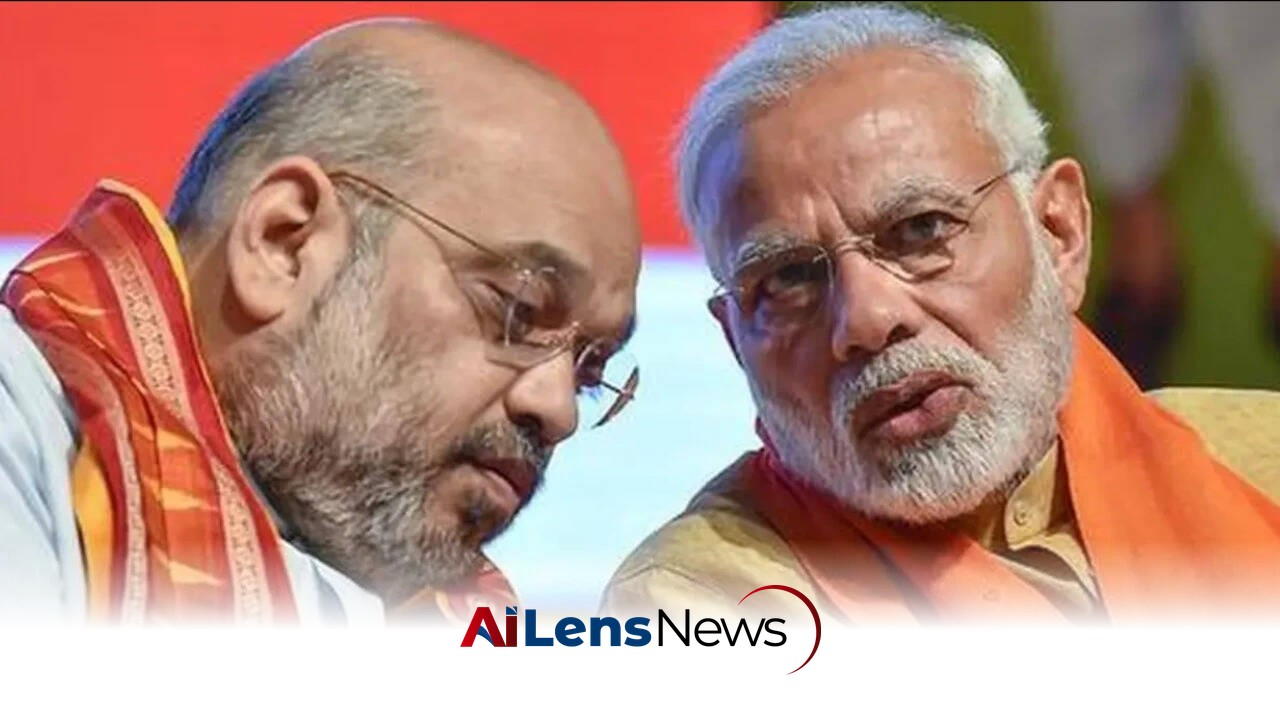


Prime Minister Modi and Home Minister Shah discuss significant changes in BJP's leadership and organizational structure, with new appointments on the horizon.
New Delhi, India Jul 16, 2026 ALN: Prime Minister Narendra Modi recently convened a meeting with Home Minister Amit Shah and BJP chief Nitin Nabin to deliberate on crucial changes within the party's leadership structure. The discussions primarily revolved around the upcoming list of office-bearers and potential ministerial changes that could reshape the party's dynamics. This meeting underscores the BJP's ongoing efforts to maintain its dominance in national politics, especially in light of the upcoming elections.
The anticipated announcement of the new team under Nitin Nabin is expected to come soon, marking a significant shift in the BJP's organizational framework. This overhaul is not just limited to the appointment of new office-bearers; it also includes a comprehensive restructuring of national organizational bodies, particularly the parliamentary board. The parliamentary board is a critical decision-making body within the party, and any changes here can have far-reaching implications for policy direction and candidate selection.
The BJP's leadership restructuring comes at a time when the party is facing increasing competition from opposition parties, particularly in key states where it has historically held sway. The Congress party, along with regional parties, is gearing up for a more aggressive campaign, making it imperative for the BJP to present a united and effective front. The focus on organizational efficiency and leadership roles reflects the party's commitment to maintaining its influence and effectiveness in governance.
Historically, the BJP has relied on a strong organizational structure to mobilize support and implement its policies at both the national and state levels. The party's ability to adapt to changing political circumstances has been a hallmark of its strategy, and this latest restructuring is likely an extension of that approach. By refreshing its leadership, the BJP aims to inject new energy into its ranks and address any concerns regarding performance or public perception.
One significant aspect of this restructuring is the potential for younger leaders to emerge within the party. As the BJP looks to engage with a younger electorate, it may prioritize appointments that reflect the aspirations and concerns of this demographic. This could involve promoting leaders who have demonstrated a strong connection with grassroots movements or who have been effective in leveraging social media to communicate the party's message.
Moreover, the BJP's restructuring efforts are also likely to be influenced by the party's performance in recent state elections. In several states, the party faced challenges that could be attributed to local leadership issues or a disconnect with voters. By reassessing its leadership, the BJP can address these weaknesses and work towards rebuilding its image in areas where it may have lost ground.
As the BJP prepares for these changes, party members and supporters are keenly awaiting the official announcements. The restructuring is seen as a vital step in ensuring that the party remains aligned with its goals and responsive to the needs of its constituents. Engaging with party workers and supporters during this transition will be crucial for maintaining morale and ensuring a smooth implementation of the new organizational structure.
In conclusion, the strategic discussions led by Prime Minister Modi and Home Minister Shah highlight the BJP's focus on leadership renewal and organizational effectiveness, setting the stage for a new era within the party. The implications of these changes could resonate beyond the party itself, influencing the broader political landscape as the country approaches a pivotal electoral cycle. As the BJP aims to consolidate its position, the effectiveness of its leadership restructuring will be closely monitored by political analysts and party loyalists alike.
In the context of national politics, the BJP's approach to leadership changes is reflective of a larger trend where political parties are increasingly recognizing the need for adaptability and responsiveness to public sentiment. This is particularly important in a diverse and dynamic democracy like , where regional issues and local leadership can significantly impact electoral outcomes. The BJP's ability to navigate these complexities will be tested in the coming months as it rolls out its new leadership team and strategies.
Furthermore, the implications of this restructuring extend to the party's policy priorities and governance strategies. New leaders may bring fresh perspectives on critical issues such as economic development, social justice, and national security. As the BJP reshapes its leadership, it will also have the opportunity to recalibrate its policy focus to better align with the expectations and aspirations of the n populace.
Ultimately, the BJP's leadership restructuring is not merely an internal party affair; it is a strategic maneuver that could have significant repercussions for the party's electoral prospects and its role in shaping 's future. As the political landscape continues to evolve, the effectiveness of the BJP's new leadership team will be crucial in determining whether the party can sustain its momentum and continue to be a dominant force in n politics.
In the current political climate, the BJP's leadership changes may also be seen as a response to the shifting priorities of the electorate. With increasing public discourse around issues such as job creation, healthcare, and education, the party's new leaders may need to address these concerns head-on to maintain voter support. Additionally, the rise of regional parties and the resurgence of the Congress in certain states indicate a more competitive electoral environment than in previous years, necessitating a robust and responsive leadership approach.
As the BJP embarks on this restructuring journey, its ability to effectively communicate its vision and policies to the electorate will be paramount. The party's communication strategy, especially in engaging younger voters through digital platforms, will likely play a crucial role in shaping public perception and electoral outcomes. The party's past success has been largely attributed to its ability to connect with the masses, and this new leadership may need to continue that legacy while also innovating to meet contemporary challenges.
Moreover, the BJP's restructuring may also have implications for coalition politics in . As the party seeks to strengthen its position in various states, it may need to reassess its alliances and partnerships with regional parties. The dynamics of coalition politics can be complex, and any changes in leadership could influence how the BJP navigates these relationships moving forward.
In summary, the BJP's leadership restructuring is a significant development that reflects the party's strategic intent to adapt to the evolving political landscape. As the party prepares for the upcoming electoral challenges, the effectiveness of its new leadership team will be closely scrutinized, not only by party members but also by the electorate at large. The ability to resonate with voters, address pressing issues, and maintain organizational cohesion will be critical factors in determining the BJP's future trajectory in n politics.
To learn more about the latest developments in Political Parties, stay updated with our exclusive reports and analyses on AiLensNews.

