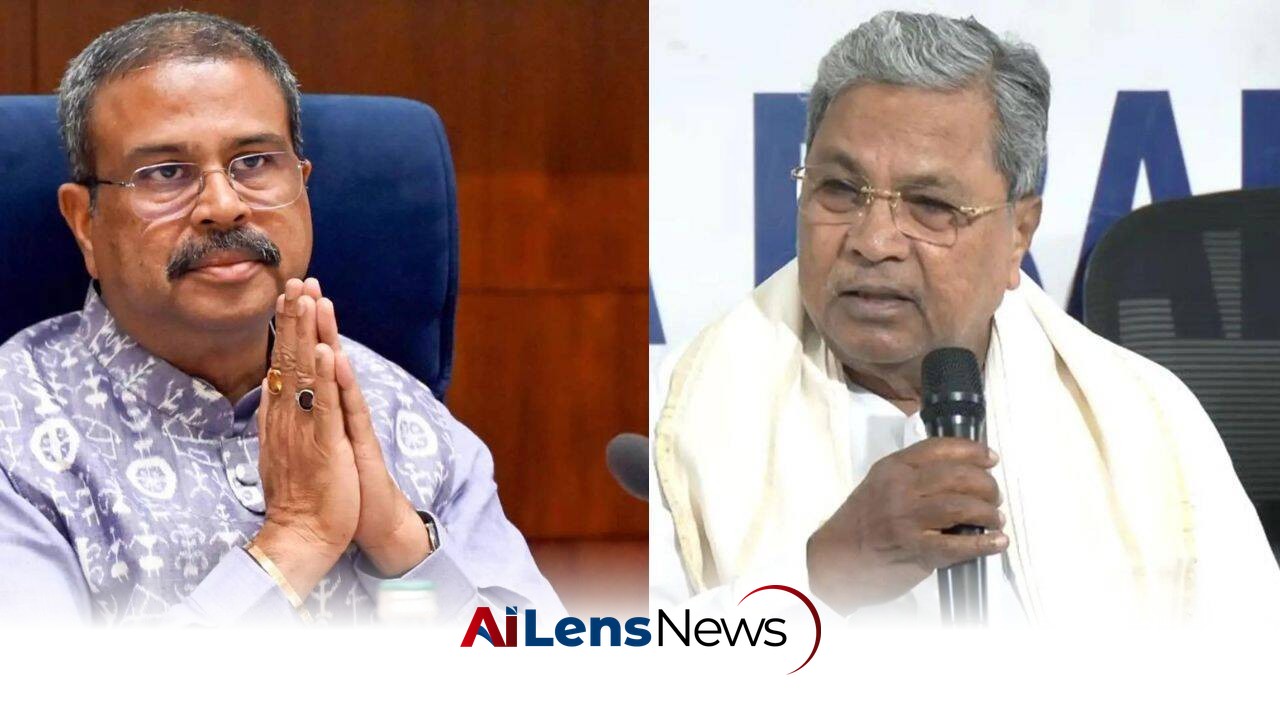


Madhya Pradesh minister claims Dharmendra Pradhan offered to resign during NEET protests; Siddaramaiah announces he won't run in 2028 elections.
New Delhi, India Jul 26, 2026 ALN: In a significant political development, Madhya Pradesh minister Kailash Vijayvargiya has alleged that former education minister Dharmendra Pradhan offered to resign on the first day of the NEET protests at Delhi's Jantar Mantar. This claim has sparked discussions about the BJP's internal dynamics and its response to public dissent. The National Eligibility cum Entrance Test (NEET), a standardized examination for students seeking admission to medical colleges, has been a topic of contention for various stakeholders, including students, parents, and educational institutions. The protests have highlighted the frustrations of many students regarding the exam's structure, perceived inequities in the admission process, and the intense pressure associated with preparing for the test.
The National Eligibility cum Entrance Test (NEET) was introduced in 2013 as a centralized examination to streamline the process of medical college admissions across . However, over the years, it has faced criticism for several reasons. Many students argue that the exam favors those who can afford extensive coaching, thereby creating a significant disparity among candidates from different socio-economic backgrounds. The pressure to perform well in NEET is immense, as it often determines the future careers of thousands of aspiring medical professionals. This pressure has led to mental health concerns among students, prompting calls for reforms in the examination process.
Vijayvargiya's assertion that Pradhan had communicated his willingness to step down if the party leadership deemed it necessary highlights the pressure the government faces amid ongoing protests regarding NEET. This assertion raises questions about the stability of the BJP leadership and the extent to which public opinion is influencing decision-making within the party. The BJP, which has been in power at the national level since 2014, has faced various challenges, including economic issues, agricultural distress, and now, educational policy controversies. The handling of the NEET protests may be seen as a litmus test for the party's ability to manage dissent and respond to the concerns of the youth, who represent a significant voting bloc in the upcoming elections.
The BJP's internal dynamics are particularly crucial as the party prepares for future electoral battles. The willingness of a senior leader like Pradhan to step down could indicate a recognition of the growing dissent among the youth and the need for the party to address these concerns proactively. This situation is further complicated by the fact that the BJP has traditionally positioned itself as a party that champions meritocracy and educational reforms. The NEET protests challenge this narrative, posing a risk to the party's image if not handled delicately.
In another noteworthy announcement, former Karnataka chief minister and senior Congress leader Siddaramaiah has declared that he will not contest the upcoming 2028 Karnataka assembly elections. Citing his advancing age and declining health, Siddaramaiah expressed concerns about the increasing corruption in politics, which he believes undermines the integrity of governance. This decision marks a significant moment in Karnataka's political landscape, as Siddaramaiah has been a prominent figure in the state's politics for decades. Having served as chief minister from 2013 to 2018, he has been instrumental in shaping the Congress party's policies and strategies in the region.
Siddaramaiah's exit from the electoral scene could pave the way for new leadership within the Congress party in Karnataka. His tenure has been marked by various initiatives aimed at social welfare, including the implementation of the Anna Bhagya scheme, which provided subsidized food grains to the poor. However, his leadership has also faced criticism, particularly regarding issues of governance and allegations of corruption within his administration. As the Congress party looks to rejuvenate its image and connect with younger voters, Siddaramaiah's decision not to seek re-election may prompt a generational shift in the party's leadership.
The implications of Siddaramaiah's announcement extend beyond just the Congress party; they reflect broader trends within n politics, where seasoned politicians are increasingly stepping back as new leaders emerge. This shift may also influence the political strategies of rival parties, including the BJP, as they seek to capitalize on the changing dynamics in Karnataka. The Congress party will need to identify capable successors who can resonate with the electorate and carry forward Siddaramaiah's legacy while addressing contemporary issues that concern voters.
These stories reflect the current political and social climate in , with significant implications for both local governance and broader national issues. The ongoing protests regarding NEET, the shifting political landscape in Karnataka, industrial safety concerns, and the impact of natural disasters all highlight the complexities facing the nation. As the government navigates these challenges, the responses from political leaders, parties, and the public will be critical in shaping the future trajectory of n politics and society. The ability to address the concerns of the electorate, manage dissent, and ensure safety and well-being will be paramount for all stakeholders involved in the governance process.
To learn more about the latest developments in Political Controversies, stay updated with our exclusive reports and analyses on AiLensNews.

