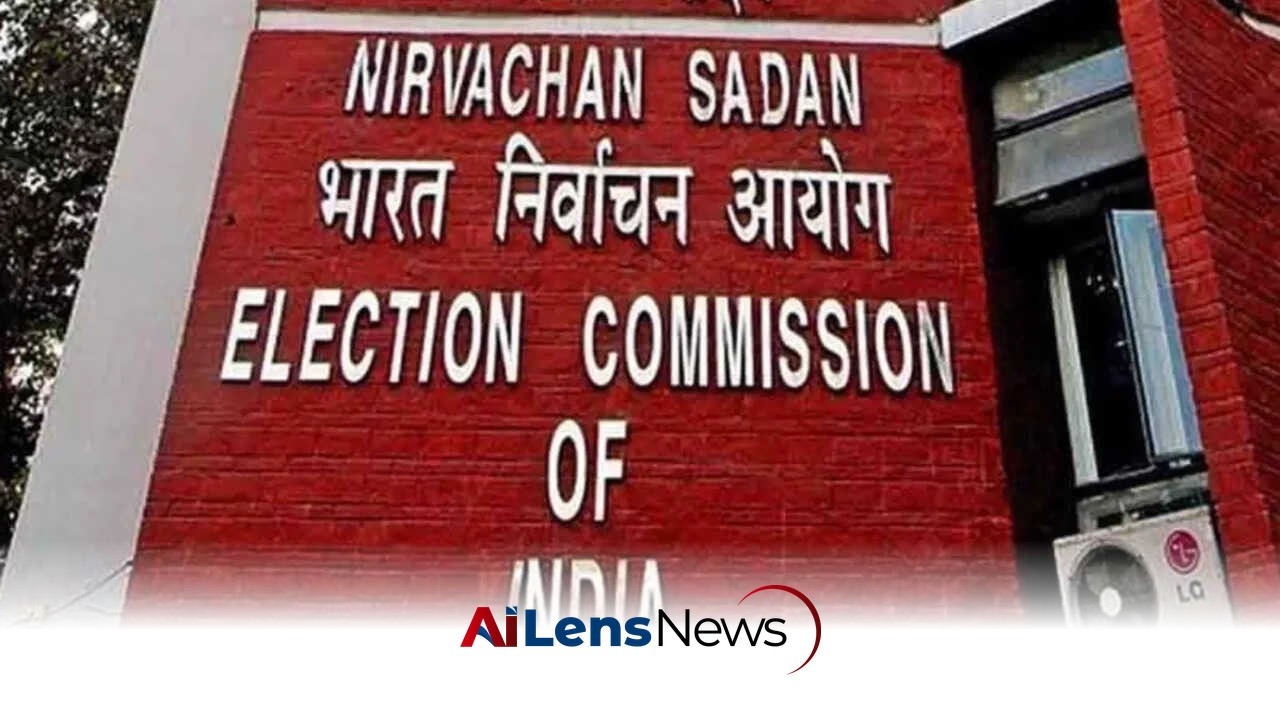


The BJP claims Congress has a history of discrediting institutions, referencing Manmohan Singh's views on the Election Commission. Congress counters with critiques of Modi.
New Delhi, India Jul 14, 2026 ALN: The Bharatiya Janata Party (BJP) has recently accused the Congress party of consistently undermining democratic institutions, particularly the Election Commission of (ECI). This assertion was bolstered by references to former Prime Minister Manmohan Singh's remarks regarding the importance of the ECI in maintaining the integrity of democracy. The BJP's claims come at a time when political tensions are escalating as the nation prepares for upcoming elections, making the integrity of electoral processes a pivotal issue for all parties involved.
In a statement, the BJP highlighted Singh's perspective that the Election Commission is the 'soul of democracy.' They argued that Congress has a longstanding habit of attacking institutions when they are in power, particularly during the tenure of the United Progressive Alliance (UPA). The BJP's rhetoric suggests that they view the Congress party's criticisms as an attempt to delegitimize the ECI, which is tasked with overseeing free and fair elections in .
In response, Congress has countered the BJP's claims by citing the book of former Chief Election Commissioner S.Y. Quraishi, which criticizes current Prime Minister Narendra Modi's approach to the Election Commission. Congress leaders have emphasized that the BJP's allegations are merely a diversion from their own governance issues. They argue that the BJP is attempting to shift the focus away from pressing concerns such as economic challenges, unemployment, and social unrest that have emerged during Modi's administration.
The political back-and-forth between the two parties highlights a broader narrative about the role of institutions in n democracy. The Congress party's defense indicates a recognition of the importance of the ECI in safeguarding democratic processes, while also suggesting that the BJP's control over the narrative surrounding the commission is indicative of their broader strategy to consolidate power.
The BJP's accusations also included references to specific instances where Congress ministers allegedly targeted the Election Commission during the UPA's rule. One notable example mentioned was Salman Khurshid, who faced backlash for promising an enhanced Muslim quota during a campaign, which the BJP interpreted as an attempt to manipulate electoral processes. This incident underscores the contentious nature of political campaigning in , where promises made during elections can often lead to accusations of exploiting communal sentiments.
Moreover, the historical context of the relationship between political parties and the Election Commission is fraught with tension. The ECI has been tasked with ensuring that elections are conducted in a free and fair manner since its establishment in 1950. However, its independence has often been questioned, particularly during periods of intense political rivalry. The BJP's current allegations against Congress echo past criticisms leveled by various parties against the ECI, suggesting that the integrity of this institution is a recurring theme in 's political discourse.
Singh's view of the Election Commission as a vital democratic institution contrasts sharply with Modi's portrayal of it as a political tool. This divergence in perspectives has fueled ongoing debates about the role and independence of the Election Commission in the current political landscape. Critics of the BJP argue that the party has sought to undermine the ECI's authority by questioning its decisions and by appointing officials who may be sympathetic to its political agenda.
For example, Modi's government has been criticized for its handling of the appointment of Election Commissioners, with allegations suggesting that the process lacks transparency and may be influenced by political considerations. This has led to concerns among opposition parties and civil society groups about the ECI's ability to function independently, which is essential for maintaining public trust in the electoral process.
As the political climate heats up ahead of upcoming elections, the discourse surrounding the Election Commission and its perceived integrity will likely remain a focal point of contention between the BJP and Congress. The stakes are high, as the credibility of the ECI is crucial for ensuring that elections are accepted as legitimate by the populace. Any perceived erosion of this credibility could have far-reaching implications for the political landscape of .
The ongoing debate about the Election Commission's role raises significant questions about the health of n democracy. As political parties engage in mutual accusations, the risk of undermining public confidence in democratic institutions grows. The ECI's ability to conduct free and fair elections is essential not only for the legitimacy of the electoral process but also for the overall functioning of democracy in .
Furthermore, the implications of these accusations extend beyond the immediate political rivalry. They touch upon the broader issue of institutional integrity and the need for political accountability. If parties continue to attack institutions like the ECI for political gain, it could lead to a dangerous precedent where the independence of key democratic bodies is compromised, ultimately threatening the very fabric of democracy itself.
In addition to the political parties, civil society organizations and the general public play a crucial role in shaping the discourse around the Election Commission. Advocacy groups have increasingly called for reforms to ensure the ECI's independence and transparency in its operations. The public's perception of the ECI's integrity is paramount; any erosion of trust could result in lower voter turnout and increased skepticism about the electoral process.
Moreover, media coverage of the Election Commission's activities can significantly influence public opinion. Responsible journalism that highlights both the achievements and shortcomings of the ECI can help foster a more informed electorate. As the elections approach, the media's role in scrutinizing the actions of both the BJP and Congress regarding their treatment of the ECI will be crucial.
In conclusion, the BJP's accusations against Congress regarding the undermining of the Election Commission reflect a deeper struggle over the narrative of democracy in . As both parties prepare for the electoral battle ahead, the focus on the integrity of the ECI will likely intensify, making it a critical issue for voters. The outcomes of these interactions will not only shape the immediate political landscape but will also have lasting effects on the perception and functioning of democratic institutions in the country.
Ultimately, the integrity of the Election Commission is not just a matter of political rivalry; it is a cornerstone of n democracy. As citizens, it is essential to remain vigilant and engaged in discussions about the health of our democratic institutions, ensuring that they remain robust and capable of serving the electorate without fear or favor.
To learn more about the latest developments in Political Controversies, stay updated with our exclusive reports and analyses on AiLensNews.

