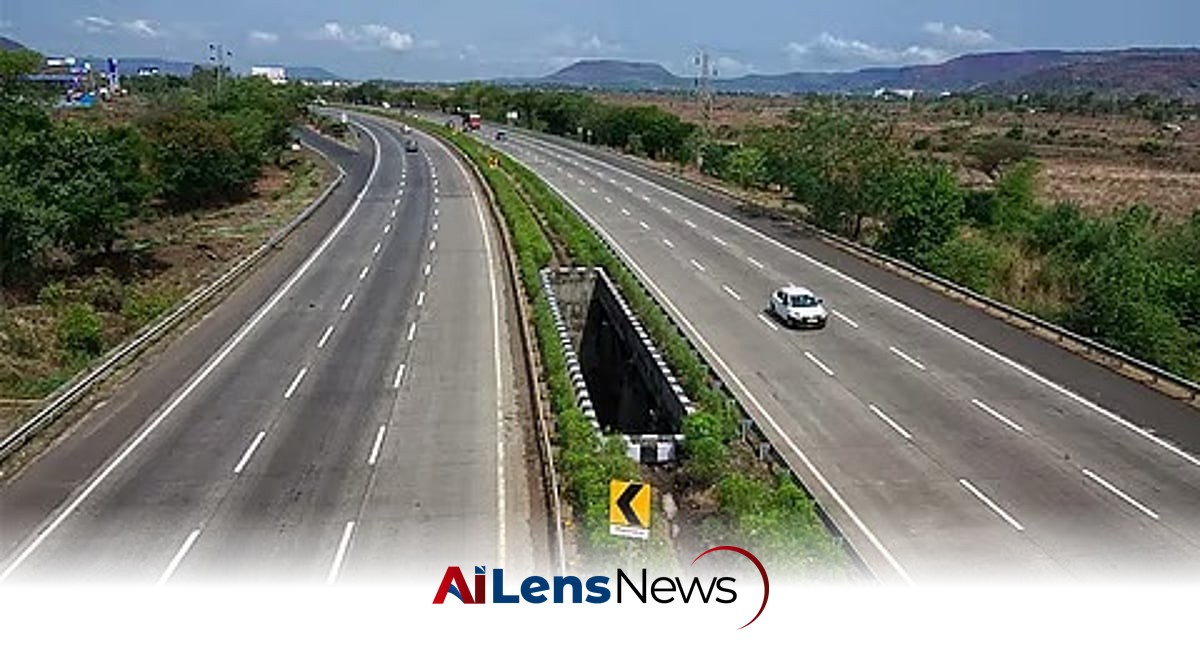


The Assam Government has announced that the Indo-Bhutan Border Road Project remains stalled after all proposed alignments were rejected by the Ministry of Home Affairs.
Dispur, India Jul 27, 2026 ALN: Guwahati: The Assam Government has informed the Legislative Assembly on 27th July that the proposed Indo-Bhutan Border Road Project, Saralpara–Srirampur–Udaipur–Daibuti is stuck as all the proposals made by the State on the alignment have been rejected by the Ministry of Home Affairs (MHA).
In reply to Assembly Question No. 378, Chief Minister Himanta Biswa Sarma, who is also the Minister for Public Works Department (PWD), stated that the state had initiated the process of preparing the Detailed Project Report (DPR) as far back as 2017. To facilitate this, Wadia Techno Engineering Services Ltd., based in Mumbai, was appointed as the project consultant. This choice underscores the importance the Assam Government placed on professional expertise to ensure the project's success.
The significance of the Indo-Bhutan Border Road Project extends beyond mere infrastructure development; it is seen as a strategic initiative aimed at enhancing connectivity, fostering economic growth, and bolstering security in a region that is critical for both India and Bhutan. The border area has been historically significant, and improvements in road connectivity are expected to facilitate trade, tourism, and cultural exchanges between the two nations.
In the course of the project’s development, the Assam Government undertook comprehensive measures, including conducting aerial LiDAR surveys. These surveys are crucial for obtaining accurate topographical data, which can influence the alignment of roads and other infrastructure projects. Furthermore, the government engaged with various stakeholders, including the Ministry of Environment, Forest and Climate Change (MoEFCC), the Wildlife Institute of India (WII), and the National Board for Wildlife (NBWL), to ensure that environmental considerations were adequately addressed in the proposed alignments.
Despite these efforts, all the proposed alignments were rejected by the Ministry of Home Affairs. The Chief Minister indicated that the inability to reach a consensus with the Centre over the alignment for nearly four years has led to the shelving of the project. This prolonged impasse raises questions about the coordination between state and central authorities, especially in matters that hold significant implications for regional development.
Consequently, the work on the project was foreclosed on July 31, 2020, marking a significant setback for the Assam Government's plans to enhance border infrastructure. The unspent sanctioned funds were returned to the MHA in June 2022, reflecting a lack of progress and the challenges faced in executing such large-scale projects.
In response to inquiries regarding the potential revival of the project, Chief Minister Sarma noted that the future of the Border Road now rests with the Ministry of Home Affairs. This statement highlights the dependency of state governments on central authorities for approvals and support in infrastructure projects, particularly those that involve cross-border considerations.
The implications of this stalled project are multifaceted. For one, the lack of improved connectivity in the Indo-Bhutan border region may hinder economic opportunities for local communities. Enhanced roads could facilitate trade between the two countries, allowing local products to reach broader markets, thereby boosting the economy of the border areas.
Moreover, the security aspect cannot be overlooked. The Indo-Bhutan border region has strategic importance, and improved road connectivity is essential for quick mobilization of security forces in case of emergencies or threats. The absence of a well-defined road infrastructure could potentially compromise the security apparatus in the region.
Additionally, the project was expected to enhance tourism in the area, which is known for its natural beauty and cultural richness. Better roads could lead to an influx of tourists, benefiting local businesses and promoting sustainable development in the region.
The failure to move forward with the project also raises concerns about the broader implications for India-Bhutan relations. Both countries share a close and friendly relationship, characterized by mutual cooperation in various sectors, including trade, security, and cultural exchange. As such, the stalled project could be viewed as a setback in the ongoing efforts to strengthen ties and enhance bilateral cooperation.
Furthermore, the situation underscores the importance of effective communication and collaboration between state and central governments in India. The complexities of multi-level governance can often lead to delays and misunderstandings, particularly in projects that require alignment of interests across different levels of authority.
Looking ahead, it remains to be seen how the Assam Government will navigate this challenge. The Chief Minister's remarks suggest a willingness to engage with the MHA to seek a resolution, but the timeline for any potential revival of the project remains uncertain. Stakeholders in Assam, including local communities, businesses, and environmental groups, will be closely monitoring developments, as the outcome of this project could significantly impact the socio-economic landscape of the region.
In conclusion, the stalled Indo-Bhutan Border Road Project serves as a reminder of the complexities involved in infrastructure development, particularly in sensitive border regions. It highlights the need for continued dialogue and collaboration between various levels of government to achieve developmental goals that benefit local populations while also addressing national security concerns.
To understand the significance of this project, it is essential to recognize the historical context of India-Bhutan relations. The two nations have maintained a close relationship since Bhutan's independence, characterized by mutual respect and cooperation, especially in defense and economic matters. The Indo-Bhutan border region is not only a geographical boundary but also a cultural and economic link that has implications for both nations. The development of infrastructure in this region has been pivotal in facilitating trade and cultural exchange, which has been beneficial for the communities on both sides of the border.
The stalled project also raises questions about the broader infrastructure strategy in northeastern India, a region that has often been neglected in terms of development compared to other parts of the country. The northeastern states, including Assam, have unique geographical challenges that require tailored solutions. The failure to advance this project may reflect larger systemic issues within the infrastructure development framework in the region, including bureaucratic hurdles, funding constraints, and the need for greater alignment between state and central policies.
Furthermore, the environmental considerations involved in such projects cannot be overlooked. The Indo-Bhutan border is rich in biodiversity and is home to several protected areas. Any road construction must carefully balance development with ecological preservation. The engagement of environmental stakeholders, as seen in the initial phases of the project, is crucial to ensure that development does not come at the expense of the region's natural heritage.
In light of these challenges, the Assam Government may need to explore alternative strategies to revive the Indo-Bhutan Border Road Project. This could involve reassessing the proposed alignments in consultation with the MHA, engaging with local communities to understand their needs and concerns, and potentially seeking international support or collaboration to facilitate the project's advancement.
In summary, while the current status of the Indo-Bhutan Border Road Project is stalled, it serves as a focal point for discussions on regional development, infrastructure strategy, and international relations. The future of this project will likely depend on the ability of the Assam Government to navigate the complexities of governance and collaboration with the central authorities, as well as its commitment to addressing the socio-economic and environmental needs of the region.
To learn more about the latest developments in Elections, stay updated with our exclusive reports and analyses on AiLensNews.

