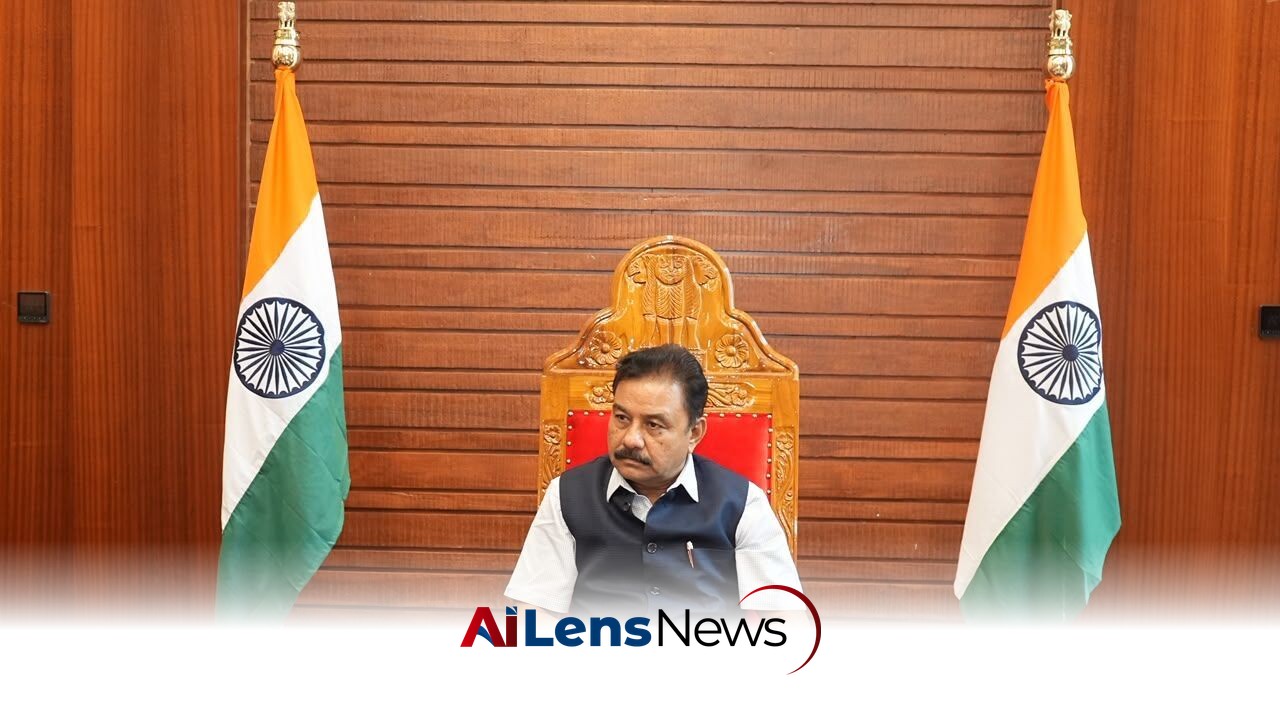


Speaker Ranjeet Kumar Dass criticizes Akhil Gogoi's behavior in the Assembly, contemplating the release of video footage of the incident.
Dispur, India Jul 25, 2026 ALN: Assam Legislative Assembly Speaker Ranjeet Kumar Dass stated that he is contemplating releasing video footage of Raijor Dal MLA Akhil Gogoi climbing onto his desk in the House, labeling the act as unbecoming of a legislator and detrimental to the dignity of the Assembly.
The Speaker made these remarks on Friday while addressing a point of order raised by Leader of Opposition Wazed Ali Choudhury at the conclusion of Question Hour. This incident has sparked considerable debate regarding the conduct of elected representatives and the decorum expected within legislative assemblies. The role of lawmakers is not only to represent their constituents but also to uphold the integrity of the legislative process, which is foundational to democratic governance.
Choudhury pointed out that although an adjournment motion regarding the flood situation had been disallowed, a misleading narrative had emerged on social media suggesting that the Congress had opposed the motion. This highlights the growing concern over the influence of social media in shaping public perception and political narratives. The rapid spread of information online can sometimes lead to misunderstandings and misrepresentations that complicate the political discourse. The rise of digital platforms has transformed the landscape of communication, making it easier for misinformation to circulate and for political narratives to be distorted.
“For whatever reason, the adjournment motion was disallowed. However, a social media narrative was created that the Congress opposed it. Since we had stood in support of Akhil Gogoi, I wanted to bring this issue to your notice,” he stated. This statement underscores the importance of accurate communication in politics, especially in a time when misinformation can easily proliferate through various digital platforms. Political representatives are often at the mercy of public perception, which can be swayed by the information disseminated through social media, sometimes leading to significant reputational damage regardless of the truth.
Parliamentary Affairs Minister Pijush Hazarika accused Gogoi of making statements outside the Assembly that misrepresented the actual proceedings within the House. This accusation points to a broader issue of accountability among lawmakers and the responsibility they bear to present truthful accounts of their legislative actions to the public. The integrity of the legislative process relies heavily on the honesty and transparency of its members. When lawmakers misrepresent proceedings, it can undermine the public's trust in the legislative body and the political system as a whole.
In response to the issue, Dass emphasized that the Assembly should not be distracted by narratives circulating on social media and should remain focused on its official proceedings. This statement reflects the ongoing struggle faced by legislative bodies in the digital age, where the immediacy and reach of social media can overshadow traditional forms of communication and governance. Maintaining order and decorum in the Assembly is crucial for ensuring that legislative discussions are productive and focused on the issues at hand.
The Speaker also clarified that he had rejected two adjournment motions concerning the flood situation—one proposed by the Congress on Wednesday and another by the Raijor Dal on Thursday—stating that such motions are not admissible when voting on supplementary grants is scheduled. The decision to reject these motions indicates the Speaker's commitment to maintaining order and efficiency within the Assembly, particularly when pressing matters, such as budget approvals and relief allocations, are at stake. This highlights the Speaker's role in balancing the need for legislative responsiveness with the procedural requirements of the Assembly.
He explained that passing the budget was essential to ensure that funds could be allocated for flood relief. Flooding has been a recurrent issue in Assam, causing significant damage to infrastructure, agriculture, and livelihoods. The state's vulnerability to seasonal flooding necessitates prompt and effective legislative action to secure resources for relief efforts and rehabilitation. The impact of flooding in Assam has been profound, affecting thousands of families and disrupting economic activities. Legislative bodies must prioritize addressing such urgent matters to mitigate the consequences of natural disasters.
However, considering that Gogoi represents Sivasagar, one of the districts severely affected by floods, he was allowed to raise the issue for two minutes. This concession illustrates the Speaker's recognition of the importance of addressing local concerns, especially when they pertain to natural disasters that impact the lives of constituents. It also reflects an understanding that while procedural rules are important, the human element of governance must not be overlooked, particularly in times of crisis.
Dass remarked that Gogoi’s conduct after being asked to conclude his speech was inappropriate. “I have been an MLA since 2011, but I have never witnessed such behavior as climbing onto a desk. I am considering asking the Assembly Secretary to release the video,” the Speaker stated. This reflection on Gogoi's actions serves to reinforce the standards of behavior expected from elected officials in the Assembly. The act of climbing onto a desk can be interpreted as a symbolic gesture of protest or frustration, yet it raises questions about the effectiveness of such actions in fostering constructive dialogue within the legislative framework. The line between passionate advocacy and disruptive behavior can often be blurred in heated political environments, making it essential for lawmakers to navigate these situations with care.
The implications of this incident extend beyond the immediate context of the Assembly session. It raises critical questions about the conduct of lawmakers, the influence of social media narratives, and the challenges faced by legislative bodies in maintaining decorum. As political engagement increasingly moves into the digital realm, the need for legislators to navigate these dynamics while upholding the dignity of their positions becomes ever more essential. The incident exemplifies the tension between traditional parliamentary procedures and the new realities of modern communication, where actions can be broadcasted and scrutinized in real-time.
Moreover, the incident reflects broader societal tensions regarding representation and accountability. As constituents look to their elected officials for guidance and support, particularly during crises such as flooding, the manner in which these representatives conduct themselves can significantly impact public trust and confidence in governmental institutions. The Speaker's contemplation of releasing the footage serves as a reminder that actions within the Assembly are not only subject to internal scrutiny but also to public observation and judgment. The public's perception of their representatives is shaped by their behavior, making it crucial for lawmakers to act in ways that reinforce their credibility and integrity.
In conclusion, the events surrounding Akhil Gogoi's desk-climbing incident encapsulate the complexities of modern legislative practice, where the interplay of traditional governance and contemporary communication tools necessitates a reevaluation of the norms and expectations of public officials. As Assam continues to grapple with pressing issues such as flood management, the conduct of its lawmakers will likely remain under scrutiny, highlighting the importance of accountability and integrity in public service. The incident serves as a crucial reminder of the responsibilities that come with elected office and the need for lawmakers to engage with their constituents in a manner that reflects the seriousness of their roles.
To learn more about the latest developments in Political Controversies, stay updated with our exclusive reports and analyses on AiLensNews.

