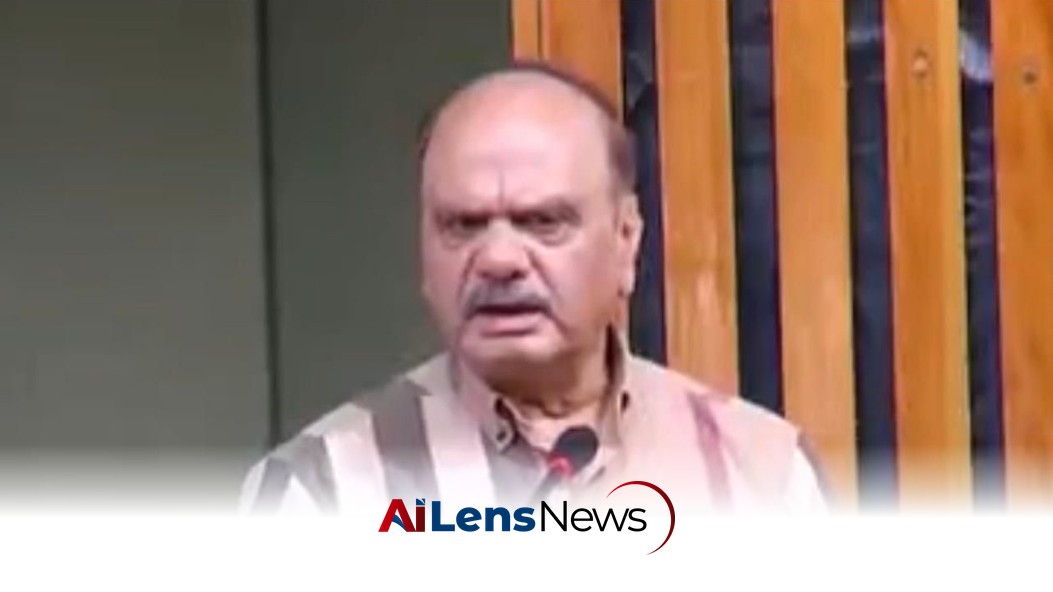


Senior advocate Ashok Bhan emphasizes the constitutional right to peaceful protest, urging accountability for police actions against demonstrators during a recent event in Delhi.
New Delhi, India Jul 23, 2026 ALN: Senior Supreme Court advocate and distinguished fellow at the International Law Centre, Ashok Bhan, has said that recent reports of police action against a peaceful protest organised by the Cockroach Janata Party raise serious constitutional concerns and underscore the need to safeguard democratic dissent.
While speaking at a meeting of young lawyers organised by Lawyers Guild, Bhan said the Constitution of India not only permits peaceful protest but expressly protects it through Articles 19(1)(a), 19(1)(b) and 19(1)(c), which guarantee the freedoms of speech and expression, peaceful assembly and association. This constitutional framework is the bedrock of a vibrant democracy, allowing citizens to voice their opinions and grievances without fear of repression. The right to peaceful protest has been a crucial aspect of democratic societies worldwide, enabling citizens to hold their governments accountable and advocate for change.
Bhan said any disproportionate police action, arbitrary detention or excessive use of force against peaceful demonstrators should be subjected to a fair, impartial and transparent inquiry. The call for accountability is not merely a legal necessity but a moral imperative that reinforces the trust between the police and the communities they serve. When law enforcement agencies act disproportionately, it not only undermines the specific protest but also erodes public confidence in the rule of law as a whole.
"Accountability is not directed against the police as an institution; rather, it is essential to preserving public confidence in the rule of law," he said, as per Indica News. This statement highlights the importance of a well-functioning justice system where police actions are scrutinized to ensure they align with constitutional mandates and human rights standards. Without accountability, the risk of state overreach and abuse of power increases, posing a threat to the very fabric of democracy.
Bhan said that the police are "guardians of the Constitution" and not instruments of political partisanship. Their primary responsibility, he said, is to facilitate peaceful democratic expression while maintaining public order, with the use of coercive powers remaining an exception rather than the norm. This delineation of the police's role is critical in a democracy, where the police must act impartially to uphold the rights of all citizens, regardless of their political affiliations or beliefs.
Referring to Supreme Court jurisprudence, Bhan noted that the apex court has repeatedly described dissent as the "safety valve" of democracy and said peaceful disagreement cannot be treated as disorder merely because it challenges those in authority. This legal perspective reinforces the idea that dissent is not only a right but a necessary component of a healthy democracy. The ability to question and challenge authority is what allows for progress and reform within society.
"The constitutional principles involved apply equally to every citizen, every political party and every civil society organisation. The erosion of democratic freedoms for one inevitably threatens the freedoms of all," he said. This statement serves as a reminder that the struggle for rights and freedoms is interconnected; when one group faces repression, it sets a dangerous precedent that can ultimately affect all citizens. The fight for democratic rights is a collective endeavor that requires vigilance and solidarity among various stakeholders.
Drawing parallels with India's freedom movement, Bhan said the country's struggle for independence was rooted in peaceful public mobilisation, civil disobedience and moral courage. He cautioned against narrowing the democratic space that had inspired the nation's fight for liberty. The legacy of India's independence movement underscores the power of peaceful protest and civil disobedience in effecting change. Bhan's remarks evoke a sense of historical responsibility, urging contemporary citizens and leaders to honor the sacrifices made by those who fought for freedom.
At the same time, he emphasised that organisers of public demonstrations have a responsibility to ensure protests remain peaceful, disciplined and respectful of the rights of others, rejecting violence and damage to public property. This acknowledgment of the dual responsibility of both the state and the protesters is crucial in fostering a culture of respect and understanding. Peaceful protests not only protect the rights of demonstrators but also ensure that the broader public is not adversely affected by disruptions or violence.
Calling for "constitutional statesmanship", Bhan urged the government to reassure citizens that peaceful dissent would be protected. This call to action is particularly pertinent in a time when political polarization can lead to an environment where dissent is stifled. By promoting statesmanship that values constitutional principles, the government can help to rebuild trust and ensure that all voices are heard, fostering a more inclusive democracy.
He also called on police authorities to strengthen professionalism, restraint and accountability, while urging civil society and political leaders across the spectrum to reaffirm their commitment to democratic values. This multifaceted approach requires collaboration among various sectors of society, including law enforcement, government, and civil society organizations. Only through a unified commitment to democratic principles can the rights of all citizens be protected and promoted.
Bhan said India's democracy has earned global respect because of its tradition of accommodating diverse opinions and constitutional dialogue. The ability of a democracy to thrive hinges on its willingness to engage with dissenting voices and to create spaces where dialogue can occur. This tradition of accommodating diverse opinions is not merely a hallmark of Indian democracy but a critical element in fostering social cohesion and stability.
"The true measure of a democracy lies not in how it treats those who support the government, but in how it protects the rights of those who peacefully disagree with it," Bhan said. This poignant observation encapsulates the essence of democratic governance; it is not enough for a government to simply cater to the majority or its supporters. The true test of a democracy is its ability to protect minority opinions and dissent, ensuring that all citizens can participate in the democratic process without fear of reprisal.
To learn more about the latest developments in Elections, stay updated with our exclusive reports and analyses on AiLensNews.

