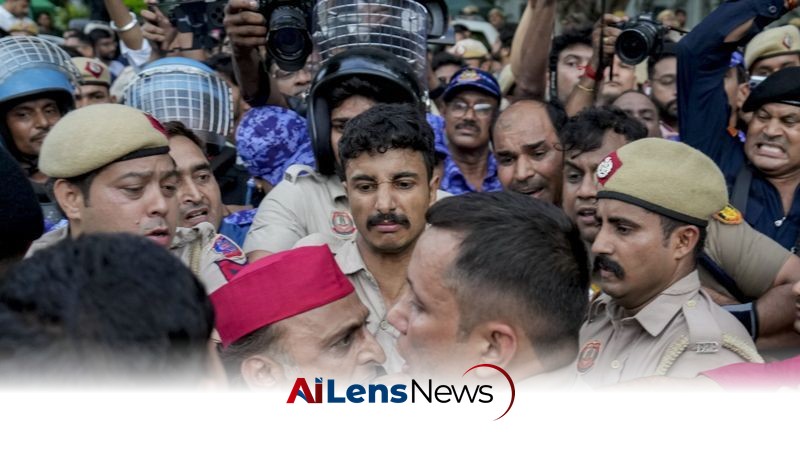


The Samajwadi Party has condemned the Centre's handling of examination-related matters, questioning the effectiveness of stricter laws against paper leaks without systemic reforms.
New Delhi, India Jul 27, 2026 ALN: The Samajwadi Party (SP), a prominent political party in India, has recently intensified its criticism of the Central government regarding its management of examination-related issues. This critique, spearheaded by party leader Akhilesh Yadav, highlights the government's perceived inadequacies in responding to the ongoing student protests, which have erupted over serious concerns related to examination integrity and fairness.
At a recent press conference, Yadav articulated the party's position, emphasizing that the government's approach to the examination crisis reflects a significant disconnect with the sentiments of the student body. He stated, "Don’t challenge public consciousness," indicating that the government is out of touch with the realities facing students today. This sentiment resonates deeply with many students who feel marginalized and unheard in the current discourse surrounding examination practices. The discontent among students is not limited to a single geographical area; rather, it spans across various states, showcasing a widespread frustration that has reached a boiling point.
The backdrop to this political maneuvering is a series of protests led by students across various states, which have gained traction in recent weeks. These protests have been fueled by alarming reports of paper leaks and allegations of malpractice within the examination system. Students have expressed their frustration over what they perceive as systemic failures that compromise the integrity of the examination process. The concerns raised are not merely about individual instances of cheating or fraud but reflect a broader disillusionment with the educational framework that governs assessments. This disillusionment is rooted in a long-standing perception among students that the examination system is riddled with inconsistencies and lacks the transparency necessary to foster trust.
Yadav's critique of the government's response includes a pointed question about the effectiveness of merely implementing stricter laws as a solution to the problem of paper leaks. He argued that while such measures might create an illusion of action, they do little to address the root causes of the issues at hand. "Stricter laws may sound good on paper, but they will not resolve the underlying issues that lead to these leaks in the first place," Yadav asserted. This perspective aligns with a growing consensus among education reform advocates that a more comprehensive approach is necessary to foster genuine change. The call for a multi-faceted strategy that addresses not only the symptoms of the problem but also its root causes is gaining traction among students and educators alike.
In his statements, Yadav called for a holistic examination reform strategy that encompasses better oversight, increased transparency, and a commitment to accountability within the examination process. The need for systemic reforms is underscored by the fact that students are not just protesting for immediate changes but are also demanding a more robust framework that can ensure the long-term integrity of examinations. This includes calls for independent bodies to oversee the examination processes and to investigate allegations of malpractice thoroughly. Such measures would not only enhance the credibility of the examination system but also restore faith among students, who are increasingly skeptical of the current mechanisms in place.
The protests have not only been a demonstration of student discontent but also a reflection of broader societal concerns regarding the quality and fairness of education in India. Students from various backgrounds have come together, united by a common cause that transcends political affiliations. This collective action highlights the urgency of addressing educational inequities that have persisted over the years and the need for a responsive government that prioritizes student welfare. The protests are emblematic of a larger movement advocating for educational reforms that address disparities in access and quality, particularly in a country where education is often seen as a pathway to upward mobility.
In response to the SP's allegations, government officials have defended their actions and policies, asserting their commitment to maintaining the integrity of the examination system. They have pointed to various initiatives aimed at improving the examination process, including the introduction of technology to minimize the risk of leaks and enhance security. However, the SP remains skeptical of these measures, insisting that they do not go far enough to address the systemic issues that have led to widespread discontent among students. The reliance on technology, while beneficial in theory, must be coupled with a robust framework of accountability and transparency to be effective in practice.
As the debate over examination integrity continues, the SP is likely to maintain pressure on the government to take meaningful action. The party's advocacy for reforms that genuinely reflect the needs and concerns of the student community is becoming increasingly prominent in the political landscape. The ongoing protests serve as a reminder that students are a powerful constituency, capable of influencing policy and demanding accountability from their leaders. The youth's involvement in these protests is indicative of a growing awareness among students regarding their rights and the role they play in shaping educational policies.
The implications of this situation extend beyond the immediate concerns of examination integrity. The growing frustration among students and political leaders alike signals a potential shift in the political dynamics surrounding education in India. If the government fails to respond adequately to these concerns, it risks alienating a significant portion of the electorate, particularly the youth, who are increasingly aware of their rights and the importance of their voices in the democratic process. The political stakes are high, as education is a critical issue that resonates with families across the nation, and any perceived failure to address these concerns could have lasting repercussions for the ruling party.
In conclusion, the Samajwadi Party's criticism of the Centre underscores a burgeoning discontent regarding the handling of examination-related matters. The call for systemic reforms is becoming increasingly urgent as protests continue to highlight the need for change. As students persist in their demands for accountability and integrity in examinations, the government faces a critical juncture: to either engage constructively with these concerns or risk further unrest and disillusionment among the youth of the nation. The current situation serves as a pivotal moment for both the government and the student community, as the outcome will likely shape the future of educational policies in India and influence the political landscape for years to come.
To learn more about the latest developments in Political Controversies, stay updated with our exclusive reports and analyses on AiLensNews.

