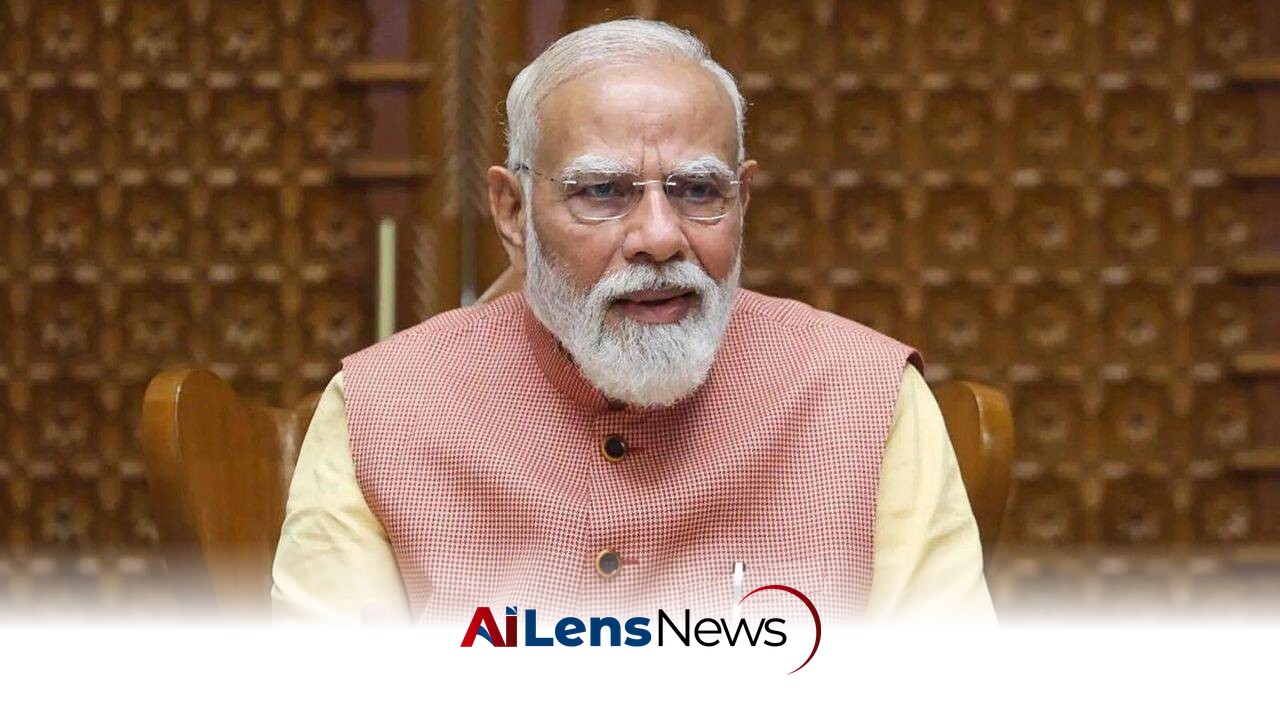


PM Modi emphasized enhancing 'ease of doing business' and 'ease of living' through the GatiShakti platform, focusing on deregulation and self-reliance.
New Delhi, India Jul 1, 2026 ALN: Prime Minister Modi recently convened a significant meeting with government secretaries to discuss strategies for enhancing the 'ease of doing business' and 'ease of living' in . Central to these discussions was the PM GatiShakti platform, which aims to facilitate integrated planning and improve inter-departmental coordination. This initiative is pivotal as it seeks to break down silos within government departments, allowing for a more streamlined approach to governance and service delivery.
The GatiShakti initiative is designed to streamline various governmental processes, making it easier for businesses to operate and for citizens to access services. By integrating multiple sectors such as transportation, logistics, and urban planning, GatiShakti aims to create a comprehensive framework that enhances efficiency. During the meeting, Modi urged officials to leverage this platform effectively to ensure that reforms are not only implemented but also resonate with the needs of the public. This call to action reflects the government's recognition of the need for a more responsive and agile bureaucratic system.
One of the key areas of focus was on deregulation. The Prime Minister highlighted the importance of reducing bureaucratic hurdles that often impede business operations. By simplifying regulations, the government aims to create a more conducive environment for entrepreneurship and innovation. This is particularly relevant in the context of 's economic aspirations, where fostering a vibrant startup ecosystem and attracting foreign investment are critical for sustainable growth. The emphasis on deregulation indicates a shift towards a more business-friendly regulatory framework, which could potentially stimulate economic activity and job creation.
Additionally, the discussions included promoting self-reliance, a concept that has gained significant traction in recent years, especially in the wake of global supply chain disruptions caused by the COVID-19 pandemic. Modi encouraged officials to present their progress on various reforms and citizen-centric initiatives that align with this vision. The emphasis on self-reliance reflects a broader strategy to bolster domestic industries and reduce dependency on imports. This approach is not only about economic independence but also about enhancing national security and resilience against external shocks.
Officials shared updates on several ongoing projects and initiatives that have been launched under the GatiShakti framework. These initiatives are designed to enhance infrastructure, improve connectivity, and ultimately contribute to economic growth. For instance, projects related to road construction, rail connectivity, and digital infrastructure are seen as vital components that can support both urban and rural development. The integration of technology in these projects is also a focal point, as it can lead to more efficient resource allocation and project management.
In conclusion, the meeting underscored the government's commitment to fostering an environment that supports both business growth and citizen welfare. By prioritizing integrated planning and coordination among departments, the Modi administration aims to ensure that reforms are effective and beneficial for all stakeholders involved. The implications of these discussions are far-reaching, as they signal a proactive approach to governance that seeks to balance economic development with social equity. As the government moves forward with these initiatives, the success of such reforms will largely depend on effective implementation and the ability to adapt to the evolving needs of the economy and society.
To learn more about the latest developments in Policies & Reforms, stay updated with our exclusive reports and analyses on AiLensNews.

