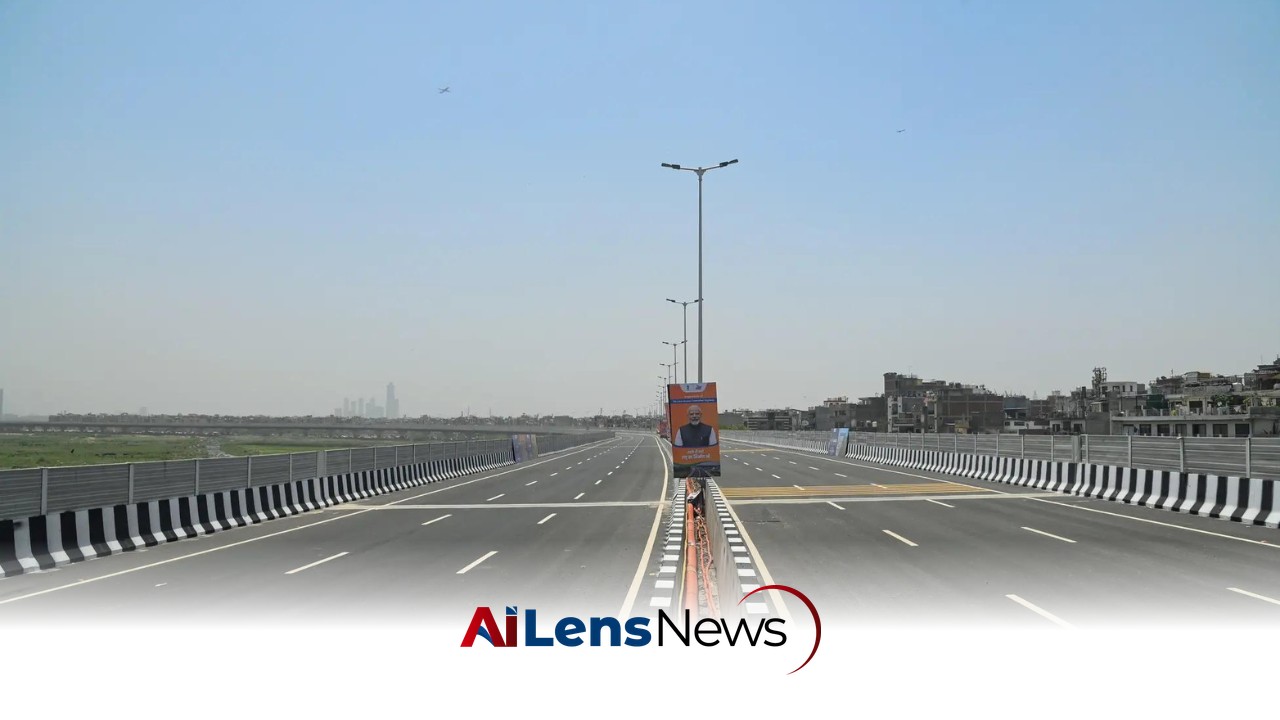


The NHAI has terminated the contract of a Delhi-Mumbai Expressway contractor due to ongoing quality issues, following a viral video showing damage.
New Delhi, India Jul 3, 2026 ALN: A viral video showcasing a damaged section of the Delhi-Mumbai Expressway in Rajasthan has ignited renewed criticism regarding the quality of construction on this crucial infrastructure project. The National Highways Authority of (NHAI) has taken decisive action by terminating the original contractor's agreement in April, citing persistent poor performance. This incident has not only highlighted the issues surrounding the expressway's construction but has also raised broader concerns about infrastructure quality across the country.
The Delhi-Mumbai Expressway, which is part of the larger Golden Quadrilateral project, aims to significantly reduce travel time between two of ’s most important economic centers. Spanning approximately 1,350 kilometers, the expressway is expected to facilitate smoother transportation of goods and services, thereby boosting trade and commerce. However, the recent revelations about the quality of construction have cast a shadow over its potential benefits.
The expressway is designed to connect Delhi, the capital city, with Mumbai, the financial capital of , and is expected to play a pivotal role in enhancing connectivity and economic development across the region. This ambitious project is not only a vital artery for transportation but also a symbol of 's growing infrastructure capabilities. However, incidents like the one recently highlighted in the viral video raise concerns about the reliability of such projects, especially when they are funded by taxpayer money.
The viral video, which quickly gained traction on social media, highlighted significant distress in the pavement, prompting public outcry and scrutiny of the project's oversight. In response to these concerns, the NHAI has initiated repairs, which are currently being carried out by a new builder. Notably, these repairs are being conducted at the former contractor's expense, emphasizing accountability in public works. This move is critical in restoring public trust in government-led infrastructure projects, especially given the significant financial investments involved.
To address the issues effectively, the repair strategy includes micro-milling and permanent reconstruction of the damaged sections. Micro-milling is a process that involves removing a thin layer of asphalt to create a smoother surface and enhance the overall durability of the pavement. This method is often preferred for its efficiency and cost-effectiveness, as it minimizes the need for extensive road closures and allows for quicker repairs. The permanent reconstruction will ensure that the underlying issues are addressed, preventing future occurrences of similar damage.
These measures will be implemented following a necessary traffic diversion to ensure safety and efficiency during the repair process. Traffic management during such repairs is crucial, as it not only ensures the safety of workers but also minimizes disruptions for commuters. The NHAI is likely to coordinate with local authorities to implement effective traffic diversion strategies, which may include alternative routes and real-time updates for travelers. Such measures are essential to mitigate the impact of repairs on daily commuters who rely on this expressway for their transportation needs.
Experts have been called in to investigate the underlying causes of the pavement distress. Their analysis will be crucial in understanding whether the damage resulted from construction flaws, material inadequacies, or other external factors. This investigation aims to prevent similar issues in the future and to uphold the integrity of the expressway. The findings from this expert review could lead to changes in construction practices and stricter quality control measures in future projects. The emphasis on expert analysis also reflects a growing recognition of the importance of technical oversight in large-scale infrastructure endeavors.
The implications of this situation extend beyond just the Delhi-Mumbai Expressway. It raises important questions about the quality control measures in place for large-scale infrastructure projects across . As the country continues to invest heavily in infrastructure development, the need for stringent oversight and accountability becomes increasingly critical. The NHAI's response to this incident may serve as a precedent for how similar situations are handled in the future, potentially influencing policy and regulatory frameworks governing infrastructure projects.
Moreover, public scrutiny of infrastructure projects has been on the rise, particularly in light of social media's role in amplifying concerns. Citizens are more empowered than ever to voice their opinions and demand accountability from government bodies and contractors. This shift in public engagement highlights the importance of transparency in the construction process and the need for regular updates on project statuses. The role of social media in bringing such issues to light underscores the changing dynamics between the public and governmental agencies, where accountability is increasingly demanded and expected.
As the NHAI moves forward with repairs and investigations, stakeholders will be watching closely to see how the situation unfolds and what measures will be implemented to ensure that the expressway meets the expected standards of safety and durability. The agency's commitment to rectifying the situation and preventing future issues will be key to restoring public confidence in the infrastructure development process. The outcome of these repairs and the subsequent analysis could set benchmarks for future projects, ensuring that similar mistakes are not repeated.
In conclusion, while the Delhi-Mumbai Expressway holds the promise of improved connectivity and economic growth, incidents like the recent pavement damage underscore the critical need for quality assurance in construction practices. The NHAI's actions in response to the viral video and subsequent public outcry are steps in the right direction, but they also highlight the ongoing challenges faced by infrastructure projects in . As the investigation progresses and repairs are undertaken, the lessons learned from this situation will likely inform future projects, ensuring that they are built to last and serve the needs of the public effectively. The focus on accountability and quality control will be essential in shaping the future landscape of infrastructure development in the country.
To learn more about the latest developments in Political Controversies, stay updated with our exclusive reports and analyses on AiLensNews.

