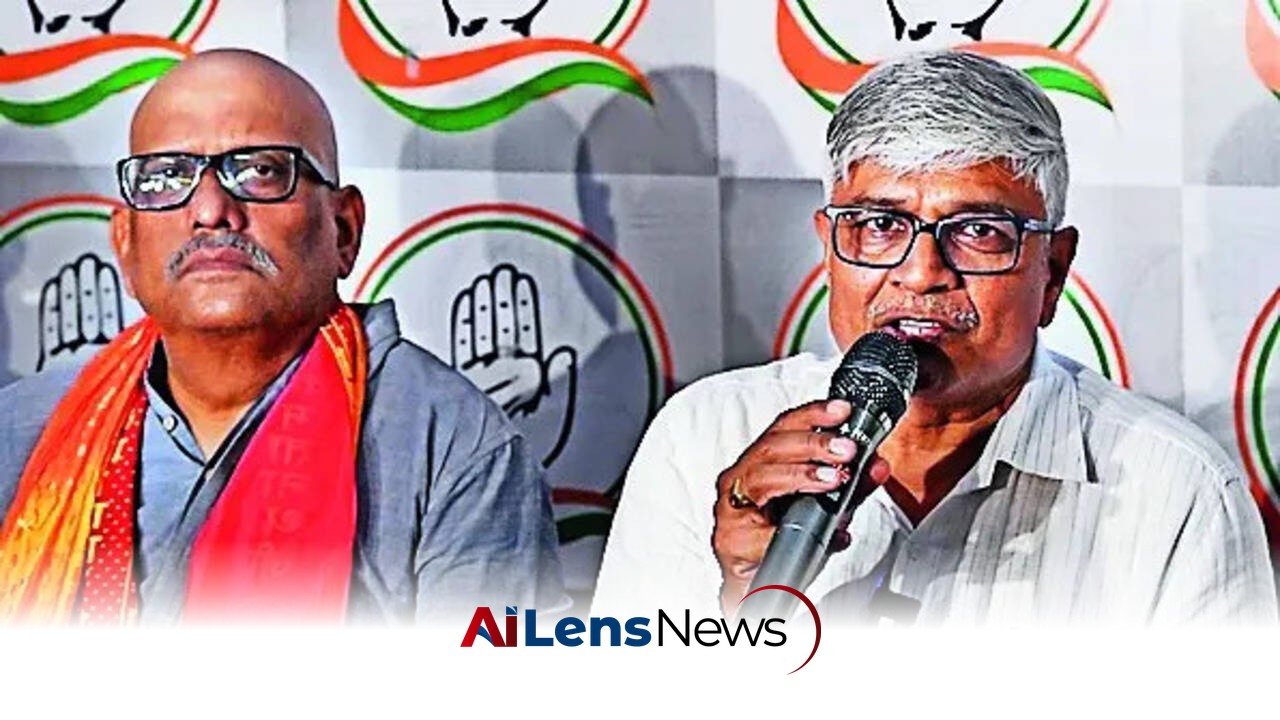


The Congress party's new UP in-charge, Rajendra Pal Gautam, has called for parity in seat distribution from the Samajwadi Party, revealing underlying tensions in their alliance ahead of the upcoming elections.
New Delhi, India Jul 11, 2026 ALN: The newly appointed Congress in-charge for Uttar Pradesh, Rajendra Pal Gautam, has initiated his tenure with a significant demand for parity and respect from the Samajwadi Party (SP) as the state gears up for the upcoming elections. This call for equitable seat distribution has brought to the forefront a longstanding issue that has historically plagued the alliance between these two political entities.
The demand for seat parity is not merely a tactical maneuver; it underscores a deeper fault line within the alliance that could have implications for their electoral strategy. In previous elections, disputes over seat sharing have led to tensions, and Gautam's remarks suggest that these issues are yet to be resolved.
The alliance between Congress and SP has been characterized by both collaboration and contention. The two parties have a complex history that dates back several decades, with periods of cooperation often marred by disagreements over leadership roles and electoral strategies. The Congress party, once a dominant force in n politics, has seen its influence wane significantly over the years, particularly in Uttar Pradesh, a state that holds considerable weight in national elections.
While both parties have united against the ruling Bharatiya Janata Party (BJP), their internal dynamics often complicate their joint efforts. The SP, with its stronghold in the state, has often been viewed as the dominant partner in the alliance, leading to feelings of marginalization within Congress. This perceived imbalance has fostered resentment among Congress leaders, who feel that their party's contributions and historical significance are not adequately recognized.
Gautam's insistence on respect and parity reflects a critical juncture in this relationship. The Congress party, historically a major player in Uttar Pradesh politics, has seen a decline in its influence in the state, which is crucial for electoral success. This decline has prompted calls within the party for a reevaluation of its strategies, particularly in its alliances. The demand for seat parity could be seen as an attempt to reclaim some of that lost influence and ensure that Congress is treated as an equal partner in the alliance.
Some political analysts express concern that focusing on seat distribution might distract both parties from addressing more pressing issues facing the electorate. As the BJP continues to dominate the political landscape, the Congress and SP need to present a united front that prioritizes governance and public welfare over internal disputes. The BJP's strategies have effectively resonated with voters, leveraging issues such as nationalism and development, while the opposition has struggled to articulate a cohesive alternative narrative.
The electorate in Uttar Pradesh is diverse and has a range of concerns, from unemployment and education to law and order. Analysts warn that if Congress and SP become too entangled in negotiations over seat sharing, they risk alienating voters who are looking for solutions to their everyday challenges. The need for a robust campaign that addresses these issues while simultaneously managing internal dynamics is crucial for both parties.
Moreover, the social fabric of Uttar Pradesh is intricate, with various caste and religious identities playing a pivotal role in electoral outcomes. The Congress and SP must not only address economic issues but also navigate the complex socio-political landscape to connect with their voter base effectively. A failure to do so could lead to further marginalization of both parties in a state where identity politics has often overshadowed substantive policy discussions.
The upcoming elections in Uttar Pradesh are pivotal, and the dynamics between Congress and SP will be closely scrutinized. With Gautam at the helm, the Congress aims to strengthen its position and negotiate a more favorable arrangement with the SP. The effectiveness of this strategy will likely determine the alliance's viability in the face of the BJP's formidable campaign machinery, which has consistently demonstrated an ability to mobilize voters effectively.
As the election date approaches, the pressure will mount on both parties to resolve their differences and focus on a cohesive strategy that resonates with voters. The demand for parity is just the beginning of what promises to be a contentious election cycle in Uttar Pradesh. The outcome of these elections could have far-reaching consequences not only for the Congress and SP but also for the broader political landscape in .
In conclusion, the call for seat parity by Rajendra Pal Gautam highlights significant underlying tensions within the Congress-SP alliance. The historical context of their relationship, combined with the current political climate, suggests that both parties must navigate these challenges carefully. Their ability to collaborate effectively and present a united front will be crucial in shaping the political landscape of Uttar Pradesh and potentially influencing the trajectory of n politics as a whole.
Moreover, the implications of seat sharing extend beyond the immediate electoral context. They reflect broader trends in n politics, where alliances are often formed out of necessity rather than ideological alignment. The evolving nature of these partnerships can shape party identities and voter perceptions, influencing future electoral strategies. The Congress-SP alliance, if managed well, could serve as a counterweight to the BJP's dominance, but it requires a commitment to shared goals and mutual respect.
As both parties prepare for the electoral battle ahead, they must consider not only the immediate electoral stakes but also the long-term implications of their alliance. A failure to address internal disputes could lead to a fragmentation of their voter base, while a successful negotiation could pave the way for a more robust opposition to the BJP. The upcoming elections will serve as a litmus test for the Congress-SP alliance and could redefine the political dynamics in Uttar Pradesh for years to come.
In this context, the role of grassroots mobilization cannot be understated. Both parties must engage with local communities, understand their needs, and develop policies that resonate with the electorate. The ability to translate internal negotiations into effective campaigning will be essential for the Congress and SP to regain lost ground in Uttar Pradesh. As the political landscape continues to evolve, the alliance must adapt to the changing preferences of the electorate while also addressing its internal challenges.
To learn more about the latest developments in Elections, stay updated with our exclusive reports and analyses on AiLensNews.

