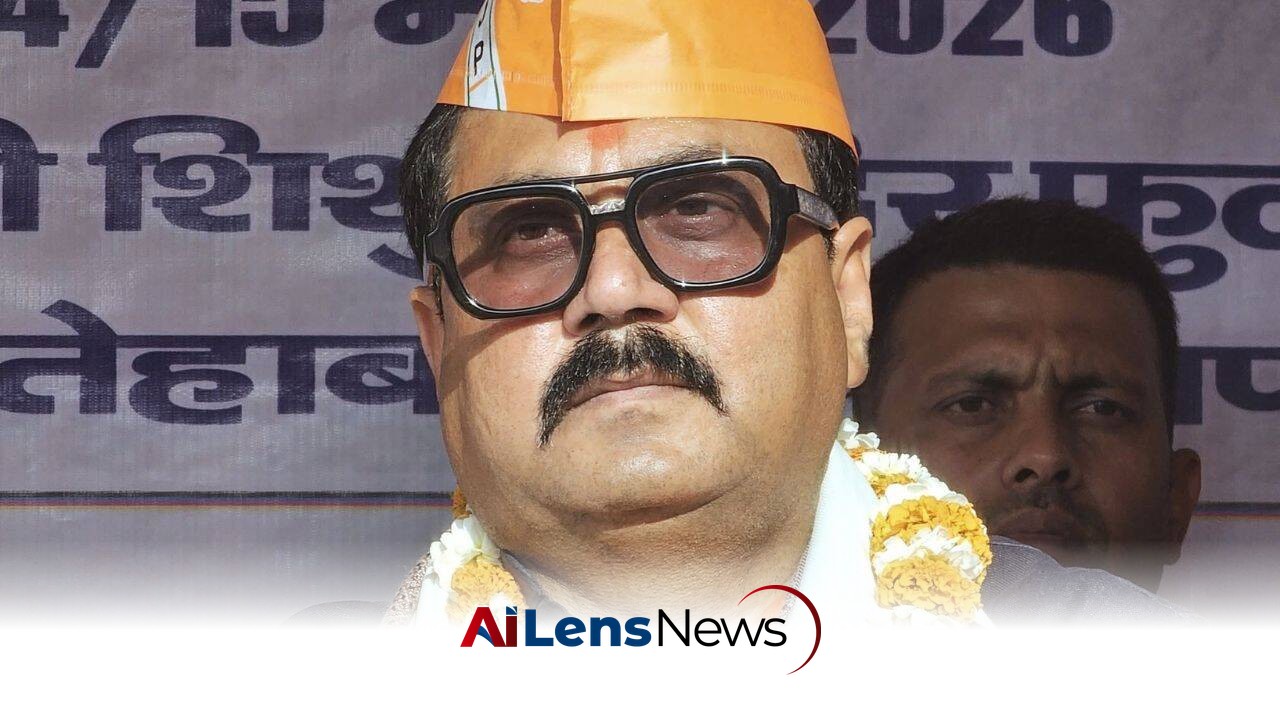


Bihar BJP MLA Raju Kumar Singh has been sentenced to four years in prison for culpable homicide in a 2018 celebratory firing incident that resulted in a fatality.
New Delhi, India Jul 4, 2026 ALN: A Delhi court has sentenced Bihar BJP MLA Raju Kumar Singh to four years imprisonment and a fine of Rs 25 lakh for culpable homicide in a 2018 celebratory firing case. The incident tragically claimed the life of Archana Gupta during a New Year's party, bringing to light the dangers associated with the practice of celebratory gunfire, which is often perceived as a harmless tradition in various cultures.
The court emphasized the severe dangers associated with such reckless gunfire, highlighting the need for accountability in cases involving firearms. Celebratory firing is a practice where individuals discharge firearms into the air during celebrations, such as weddings, festivals, and New Year's celebrations. While many may view this as a form of expressing joy or festivity, the reality is that bullets fired into the air can fall back to the ground at lethal speeds, posing a significant threat to the safety of individuals and communities alike.
Eyewitnesses played a crucial role in the proceedings, identifying Singh as the shooter during the incident. The testimonies provided by witnesses not only corroborated the events of that fateful night but also highlighted the chaotic nature of celebratory gunfire incidents, where panic and confusion can often ensue. The court's reliance on eyewitness accounts underscores the importance of community involvement in legal matters, especially in cases where public safety is jeopardized.
In its ruling, the court noted that celebratory firing poses significant risks not only to individuals present at the event but also to the broader community. The judgment serves as a reminder of the legal consequences that can arise from irresponsible behavior involving firearms. The court's decision reflects a growing recognition within the judicial system that public figures must be held to a higher standard of accountability, particularly when their actions can have far-reaching implications for public safety.
The substantial fine imposed on Singh is intended to compensate the victim's family for their loss, reflecting the court's commitment to justice in cases of culpable homicide. The financial penalty, while significant, cannot bring back the life of Archana Gupta, but it serves as a form of acknowledgment of the pain and suffering endured by her family. This aspect of the ruling highlights the court's role not only in punishing offenders but also in addressing the needs of victims' families.
This case has garnered significant media attention, raising questions about the responsibilities of public figures and the implications of their actions on public safety. The conviction of a sitting MLA underscores the judiciary's role in ensuring accountability among elected officials. The case has sparked discussions about the broader issue of gun control in , where laws surrounding firearms can be complex and often vary from state to state. Critics of lax gun control laws argue that incidents like this highlight the urgent need for stricter regulations surrounding the use of firearms, particularly in celebratory contexts.
As the legal proceedings conclude, the case may have lasting effects on public perception of gun control and celebratory firing practices in . It also highlights the ongoing discussions surrounding the conduct of politicians and their influence on societal norms. The actions of elected officials can set precedents that either endorse or discourage certain behaviors within society. In this case, the conviction of Singh may serve as a deterrent to others who might consider engaging in similar reckless behavior.
The implications of this ruling extend beyond the immediate case, as it may influence future legislation and public policy regarding firearms. Advocacy groups pushing for stricter gun control measures may use this case as a rallying point to advocate for changes in the law that would prevent such tragedies from occurring in the future. Additionally, it raises awareness among the public about the dangers associated with celebratory firing, potentially leading to a cultural shift in how such practices are perceived.
In conclusion, the conviction of Raju Kumar Singh serves as a critical reminder of the potential consequences of reckless behavior and the importance of upholding the law, particularly for those in positions of power. It illustrates the need for accountability and responsibility among public figures, especially in light of their influence on societal norms and public safety. The case may also serve as a catalyst for change in how celebratory gunfire is viewed and regulated in , fostering a greater awareness of the risks involved and the need for stricter enforcement of existing laws regarding firearms.
Celebratory gunfire is not just an isolated practice; it is part of a larger cultural tapestry that includes various forms of public celebration. In many cultures, the firing of guns into the air has been a long-standing tradition, often associated with joy and festivity. However, as this case illustrates, the consequences can be dire, leading to loss of life and injury. The court's decision may encourage a re-evaluation of such traditions and prompt discussions on how to celebrate safely without resorting to dangerous practices.
Furthermore, the case highlights the need for comprehensive public education campaigns aimed at informing citizens about the risks associated with celebratory gunfire. Such initiatives could be supported by government bodies, non-profit organizations, and community leaders. By raising awareness about the dangers of discharging firearms in celebratory contexts, it may be possible to foster a cultural shift that prioritizes safety over tradition.
In the aftermath of Singh's conviction, there may be calls for more stringent enforcement of existing laws related to firearms. Law enforcement agencies may be prompted to take a more active role in monitoring celebratory gunfire during public events, potentially leading to a decrease in such incidents. Additionally, this case may inspire lawmakers to revisit existing firearms legislation, ensuring that it adequately addresses the risks associated with celebratory firing.
Moreover, the case serves as a reminder of the importance of responsible gun ownership and the need for training and education for firearm users. Responsible gun ownership includes understanding the legal implications of firearm use, as well as the ethical considerations surrounding the discharge of firearms in public spaces. Training programs that emphasize these aspects could play a crucial role in preventing future tragedies.
In summary, the conviction of Raju Kumar Singh for culpable homicide in the celebratory firing death of Archana Gupta underscores the need for accountability among public figures and highlights the dangers of celebratory gunfire. As society grapples with the implications of this case, it is essential to foster a culture of safety and responsibility regarding firearms, ensuring that traditions do not come at the cost of human life.
To learn more about the latest developments in Political Controversies, stay updated with our exclusive reports and analyses on AiLensNews.

