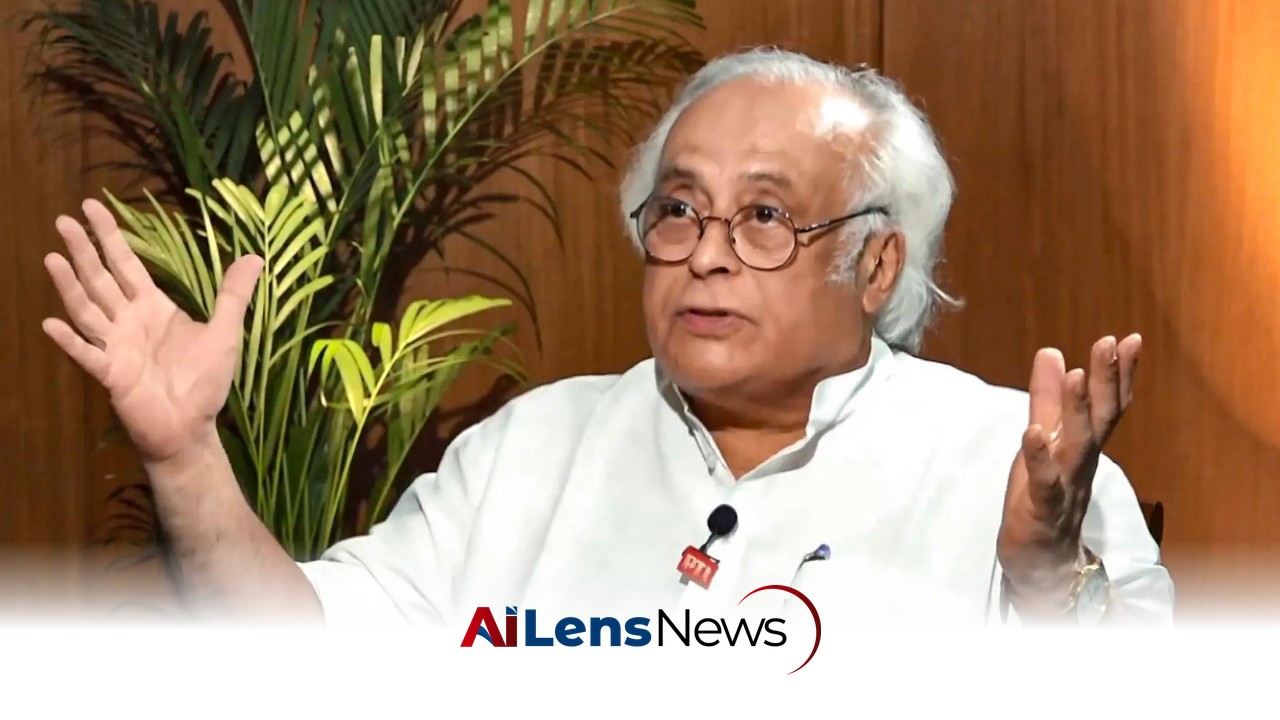


Congress leader Jairam Ramesh warns that the BJP is attempting to split opposition parties, but asserts they will not secure the two-thirds majority needed to alter the Constitution.
New Delhi, India Jul 5, 2026 ALN: Congress leader Jairam Ramesh has recently voiced strong concerns regarding the ruling party's tactics ahead of the upcoming monsoon session. He accused the BJP of attempting to split opposition parties, suggesting that this strategy is part of a broader agenda to alter the Constitution. Ramesh's remarks come at a time when the political landscape in
The BJP's current political strategy appears to involve not only consolidating its power but also attempting to weaken the opposition by creating divisions among various political factions. This tactic, if successful, could potentially allow the ruling party to push through significant legislative changes without facing substantial resistance. Ramesh's allegations raise concerns about the integrity of the democratic process, especially in a country that prides itself on its pluralistic and diverse political environment.
Ramesh emphasized that despite the BJP's efforts, he believes they will not be able to achieve the two-thirds majority required for such constitutional changes. This assertion is based on his analysis of the current political climate, which suggests that the BJP's popularity may be waning. He pointed to the failure of the BJP's campaign slogan, 'Ab ki Baar, 400 Paar', as evidence of their diminishing support and influence. This slogan was initially intended to project confidence and ambition, indicating that the BJP aimed to secure an even larger majority in the Lok Sabha than it had in the previous elections. However, the lack of traction for this slogan may reflect a growing discontent among the electorate.
In his remarks, Ramesh expressed particular concern about potential legislative moves, indicating that bills related to delimitation and 'One Nation, One Election' might be introduced during the session. Delimitation refers to the process of redrawing the boundaries of electoral constituencies, which can significantly impact the political representation of various regions. The proposal for 'One Nation, One Election' aims to synchronize elections for the Lok Sabha and state assemblies, which proponents argue could lead to greater efficiency and reduced costs. However, critics, including Ramesh, contend that such measures could centralize power and diminish the autonomy of state governments, thereby undermining the federal structure of the country.
The concept of delimitation has historically been a contentious issue in n politics. It is often seen as a tool that can be wielded to favor certain political parties over others. If the BJP were to proceed with delimitation, it could potentially redraw constituencies in a way that benefits them electorally. This has raised alarms among opposition parties who fear that such changes could disrupt the balance of representation and dilute the voices of smaller parties and regional interests.
Similarly, the 'One Nation, One Election' proposal has sparked a significant debate. Advocates argue that conducting simultaneous elections would save time and resources, allowing governments to focus on governance rather than constant campaigning. However, critics worry that this approach could lead to a homogenization of political discourse, where regional issues are overshadowed by national narratives, thereby weakening the representation of diverse voices in the political arena.
Ramesh's statements reflect a growing apprehension among opposition leaders regarding the BJP's strategies as the political landscape evolves. The Congress party, along with other opposition factions, is increasingly aware of the need to present a united front to effectively challenge the BJP's initiatives. The call for unity among opposition parties is not merely a political strategy but also a reflection of a deeper concern for the preservation of democratic principles and the rule of law in
As the monsoon session approaches, the political atmosphere is charged with anticipation. The Congress party is gearing up to challenge the BJP's initiatives and rally support from various factions within the opposition. This mobilization is crucial, as the opposition seeks to leverage its collective strength to counteract the ruling party's legislative agenda. The ability of opposition parties to work together effectively could determine their success in influencing policy decisions and maintaining a check on the government's power.
The implications of the BJP's potential legislative changes extend beyond immediate political maneuvering. If the ruling party were to succeed in altering the Constitution, it could pave the way for significant shifts in the balance of power between the central and state governments, as well as the relationship between different political entities. Such changes could have far-reaching consequences for the democratic fabric of the nation.
The potential for constitutional amendments raises questions about the long-term trajectory of governance in
Furthermore, the growing polarization in the political landscape has implications for civil society and public discourse. As political parties become more entrenched in their positions, the space for dialogue and compromise diminishes. This could lead to increased tensions and societal divisions, further complicating the governance process.
In conclusion, Ramesh's assertions highlight the ongoing tensions between the ruling party and opposition factions, as well as the critical importance of maintaining a robust democratic framework in the face of potential legislative overreach. The upcoming monsoon session will serve as a crucial battleground for these competing political forces, and the outcomes could have lasting implications for the governance and political stability of
To learn more about the latest developments in Political Controversies, stay updated with our exclusive reports and analyses on AiLensNews.

