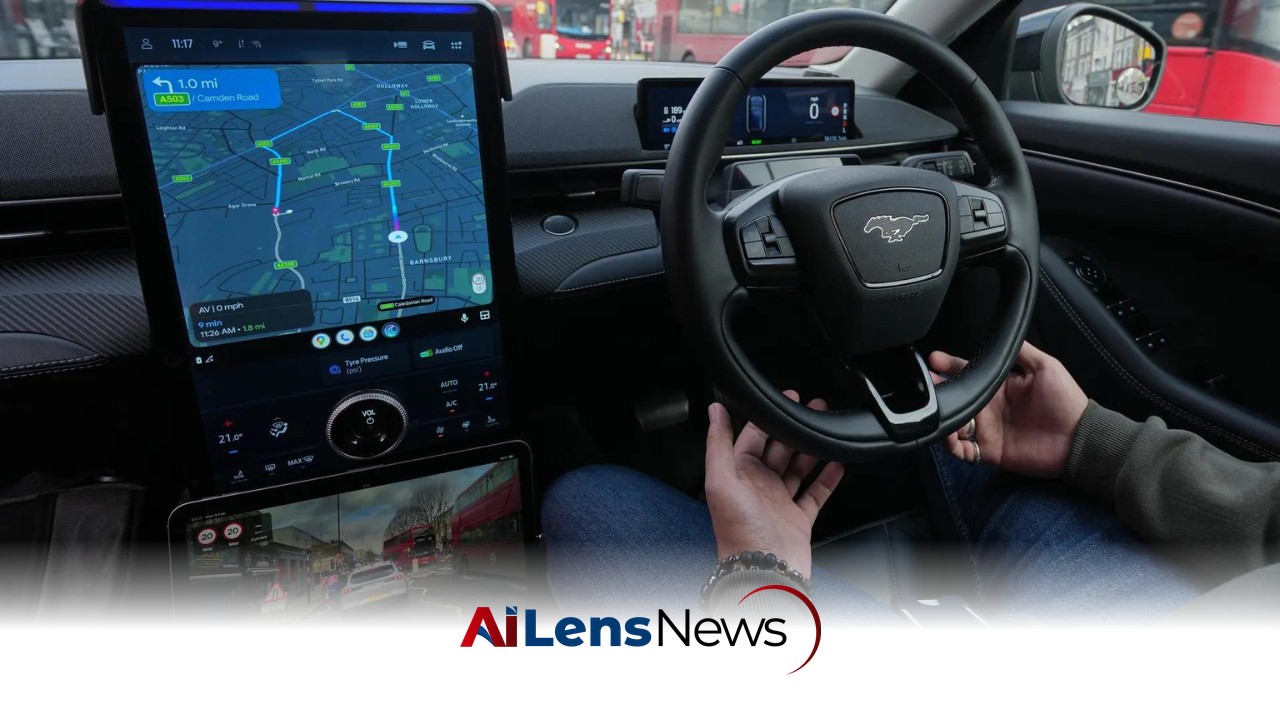


The road transport ministry is implementing cybersecurity rules for advanced vehicles to combat cyberattacks and enhance safety.
New Delhi, India Jul 5, 2026 ALN: The road transport ministry is introducing mandatory cybersecurity and software update rules for advanced vehicles. This initiative aims to address the increasing threat of cyberattacks on connected cars, ensuring safer journeys for all. As vehicles become more integrated with technology, the need for stringent cybersecurity measures has never been more critical.
In recent years, the automotive industry has witnessed a significant transformation, with vehicles becoming smarter and more connected than ever before. The integration of advanced technologies such as artificial intelligence, the Internet of Things (IoT), and vehicle-to-everything (V2X) communication has enhanced the driving experience, offering features like navigation, entertainment, and even autonomous driving capabilities. However, these advancements also come with vulnerabilities. Cybercriminals have recognized the potential to exploit these weaknesses, leading to a rise in cyberattacks targeted at connected vehicles.
Starting in October, new models equipped with Level-3 automation and above will be required to comply with these regulations. Level-3 automation refers to vehicles that can handle most driving tasks but still require human intervention in certain situations. This level of automation is becoming increasingly common, and with it, the complexity of the vehicle's software systems increases. The government's phased approach to implementing these regulations will also extend to existing models and vehicles capable of over-the-air updates, ensuring that a wider range of vehicles is covered under these new rules.
The decision to implement these cybersecurity measures comes in response to various incidents where connected vehicles have been compromised. Reports of hijackings facilitated by hacking into vehicle systems have raised alarms within the industry. In some cases, criminals have taken control of vehicles remotely, leading to dangerous situations for drivers and passengers alike. The government's proactive measures are designed to mitigate these risks, enhancing the security of both drivers and passengers.
Cybersecurity in vehicles is not just about protecting the car itself; it also encompasses the safety of the occupants and the surrounding environment. For instance, a compromised vehicle could potentially be used as a weapon, posing a threat to pedestrians and other road users. By ensuring that vehicles are equipped with robust cybersecurity measures, the government aims to create a safer environment on the roads, reflecting the growing importance of cybersecurity in the automotive industry.
In addition to enhancing vehicle security, these regulations will also promote consumer confidence in the automotive market. As more consumers opt for connected vehicles, knowing that their cars are equipped with the latest cybersecurity measures will be crucial in their purchasing decisions. The government's initiative signals to manufacturers that they must prioritize cybersecurity in their design and development processes, which could lead to a more secure automotive ecosystem overall.
The introduction of these cybersecurity measures marks a significant step towards protecting consumers in an increasingly digital world. As vehicles evolve, so too must the regulations that govern their safety and security. The ministry's commitment to implementing these rules demonstrates an understanding of the challenges posed by technological advancements and the need for a proactive approach to address them.
Moreover, the implications of these regulations extend beyond just individual vehicles. As the automotive industry moves towards greater connectivity and automation, the need for standardized cybersecurity protocols becomes paramount. The government’s initiative could pave the way for international standards that ensure all vehicles, regardless of manufacturer, adhere to the same cybersecurity guidelines. This could simplify compliance for manufacturers and provide a consistent level of security for consumers worldwide.
Furthermore, as the industry adapts to these new regulations, there will likely be an increased demand for cybersecurity professionals within the automotive sector. This could lead to job creation in fields related to vehicle cybersecurity, software development, and IT security, contributing positively to the economy. Educational institutions may also respond by offering specialized programs focused on automotive cybersecurity, preparing the next generation of professionals to tackle these challenges.
In conclusion, while the introduction of mandatory cybersecurity and software update rules for advanced vehicles is a significant step forward, it is essential that the government continues to monitor and adapt these regulations as technology evolves. The automotive landscape is rapidly changing, and as new threats emerge, so too must the strategies to combat them. Continuous collaboration between the government, automotive manufacturers, and cybersecurity experts will be crucial in ensuring that vehicles remain secure and that consumers can feel safe on the roads.
As we move forward, the importance of cybersecurity in the automotive sector will only grow. The government’s initiative to enforce these regulations not only addresses current threats but also sets a precedent for future innovations in vehicle technology. It is a clear indication that safety and security must be at the forefront of the automotive industry's evolution, ensuring that as we embrace the future of transportation, we do so with confidence and security.
To understand the broader context of these regulations, it is important to consider the rapid advancement of vehicle technology and the corresponding rise in cyber threats. The shift from traditional vehicles to connected cars has been propelled by consumer demand for enhanced features and convenience. However, this shift has also attracted the attention of malicious actors seeking to exploit vulnerabilities for financial gain or other nefarious purposes. The automotive industry has seen an increase in incidents where hackers have gained unauthorized access to vehicle systems, leading to theft, vandalism, and even physical harm.
In response to these threats, automotive manufacturers have been investing heavily in cybersecurity measures. Many companies are developing their own in-house cybersecurity teams and collaborating with technology firms to bolster their defenses. However, the fragmented nature of the industry, with numerous manufacturers and suppliers, poses challenges in creating a unified approach to cybersecurity. The government's regulations aim to address these challenges by establishing a baseline for security standards that all manufacturers must meet.
The implementation of these regulations is not without its challenges. Manufacturers will need to invest in new technologies and processes to comply with the new standards. This may increase production costs, which could be passed on to consumers. Additionally, the rapid pace of technological change means that regulations must be flexible enough to adapt to new developments in vehicle technology and cyber threats. The government will need to engage in ongoing dialogue with industry stakeholders to ensure that regulations remain relevant and effective.
Another critical aspect of these regulations is the emphasis on software updates. As vehicles become more connected, the ability to update software remotely is essential for addressing vulnerabilities and enhancing functionality. However, this also raises concerns about the security of the update process itself. If not properly secured, hackers could exploit software updates to gain access to vehicle systems. Therefore, the regulations will likely include stringent requirements for the security of the update process, ensuring that only authorized updates are applied to vehicles.
As the automotive industry navigates these changes, it is also important to consider the implications for consumers. Many consumers may not fully understand the cybersecurity risks associated with connected vehicles or the importance of keeping their vehicle software up to date. Education and awareness campaigns will be crucial in helping consumers make informed decisions about their vehicle purchases and maintenance. Manufacturers will need to communicate effectively about the cybersecurity features of their vehicles and the importance of regular software updates.
In summary, the introduction of mandatory cybersecurity and software update rules for advanced vehicles represents a significant step forward in addressing the challenges posed by the increasing connectivity of vehicles. As the automotive industry continues to evolve, these regulations will play a crucial role in ensuring the safety and security of consumers. By establishing a framework for cybersecurity standards, the government is not only protecting individual vehicles but also fostering a more secure automotive ecosystem that can adapt to the challenges of the digital age.
To learn more about the latest developments in Policies & Reforms, stay updated with our exclusive reports and analyses on AiLensNews.

