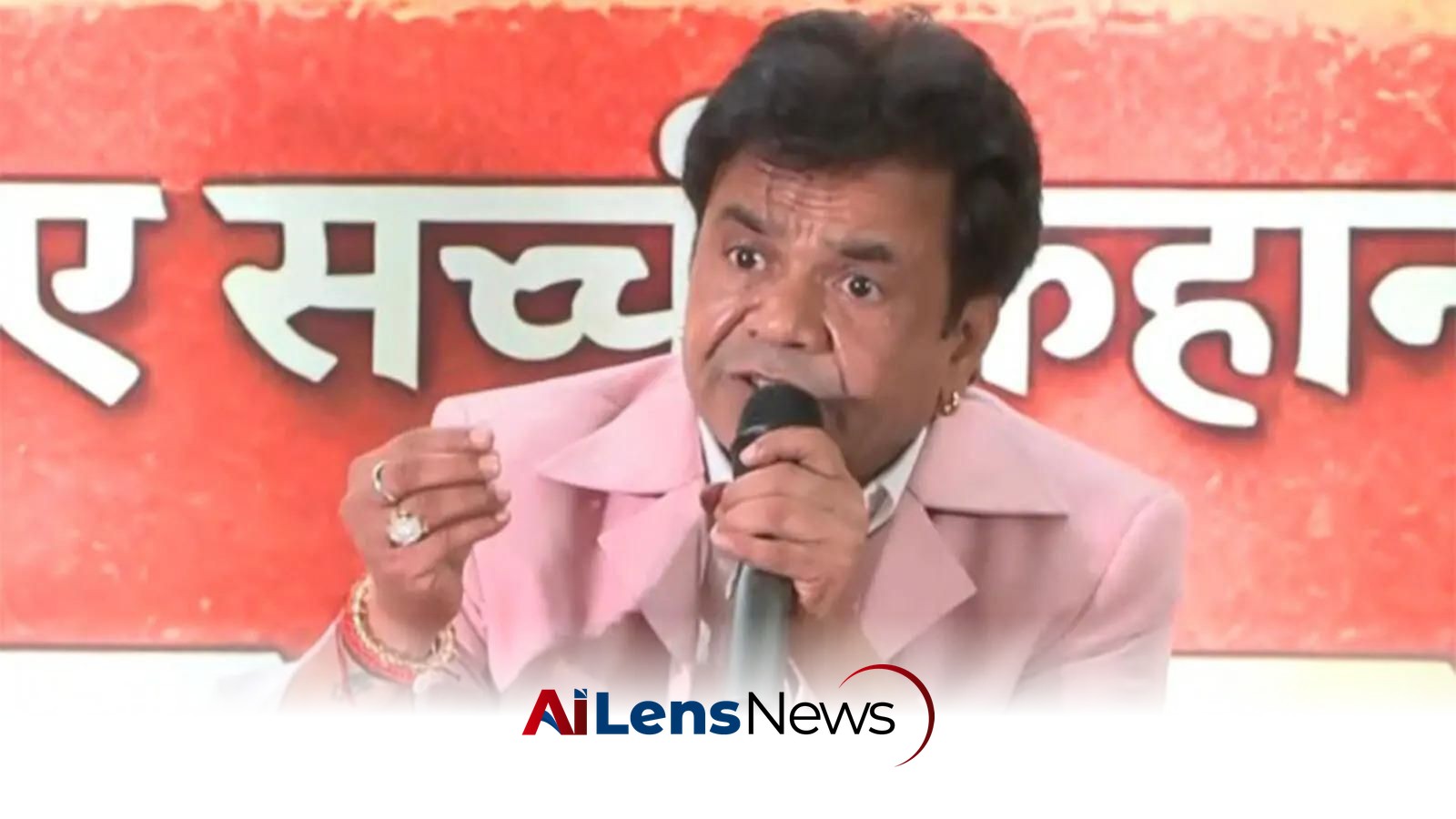


The Delhi High Court has upheld the conviction of actor Rajpal Yadav, sentencing him to three months in prison for cheque bounce offenses, dismissing his petitions against the trial court's ruling.
New Delhi, India Jul 10, 2026 ALN: The Delhi High Court has upheld the conviction of actor Rajpal Yadav in multiple cheque bounce cases, leading to a sentence of three months imprisonment. This ruling comes after the court dismissed petitions that challenged the earlier decision made by the trial court. The case has garnered significant media attention, not only due to Yadav's popularity in the film industry but also because it raises important questions about financial accountability and the legal responsibilities of public figures.
Cheque bounce cases are often seen as a serious matter, as they pertain to the dishonoring of cheques issued for various transactions. Under the Negotiable Instruments Act, 1881, a bounced cheque can lead to legal proceedings, with the issuer facing penalties that may include fines and imprisonment. In Yadav's case, the actor's legal troubles stem from a series of cheque bounce incidents involving a complainant company. The actor had previously settled a substantial amount of approximately Rs 4.25 crore to the complainant, but the legal ramifications continued to unfold, leading to his conviction.
The implications of such cases extend beyond the individual involved. Cheque bounce incidents can severely impact the trustworthiness of an individual in both personal and professional realms. For public figures like Yadav, whose careers depend heavily on public perception, such legal issues can tarnish their image and lead to a decline in opportunities. The entertainment industry often operates on the foundation of trust, and when that trust is broken, it can have lasting repercussions.
Yadav's financial dealings have not only affected his legal standing but have also cast a shadow over his career. Known for his comedic roles in cinema, particularly in films that showcase his unique ability to blend humor with drama, Yadav's reputation has been built on his talent and charm. However, the current legal issues have overshadowed his professional achievements, leading to a complex intersection of personal and public scrutiny. The actor has been a beloved figure in n cinema, known for his roles in films like "Chup Chup Ke" and "Bhool Bhulaiyaa," where his comedic timing and engaging performances won over audiences. The stark contrast between his on-screen persona and his off-screen legal troubles has raised eyebrows and sparked discussions among fans and industry insiders alike.
In addition to the cheque bounce cases, Yadav is currently embroiled in a separate loan dispute, which involves a significant outstanding amount. This situation adds another layer of complexity to his legal challenges and raises questions about the management of finances among celebrities. The entertainment industry is often viewed through a glamorous lens, but Yadav's case highlights the financial pressures and obligations that can affect even well-known figures. Many celebrities face financial challenges, some stemming from poor investment choices or mismanagement of earnings, which can lead to legal disputes and, in some cases, bankruptcy.
The Delhi High Court's decision underscores the seriousness with which the judiciary addresses financial misconduct, particularly in cases involving dishonored cheques. The ruling serves as a reminder of the legal obligations individuals have when engaging in financial transactions. It reflects a broader commitment within the n legal system to uphold the rule of law and ensure that all individuals, regardless of their status, are held accountable for their financial actions. This case may also set a precedent for how similar cases are handled in the future, potentially leading to stricter enforcement of financial regulations within the entertainment sector.
Yadav's conviction has sparked discussions about accountability in the entertainment industry and the importance of adhering to financial commitments. The case serves as a cautionary tale for other public figures who may overlook their financial responsibilities, believing that their celebrity status may shield them from the repercussions of their actions. The public's perception of celebrities is often influenced by the image they project, and incidents like Yadav's can lead to a reevaluation of how these figures are viewed in society. In an age where social media amplifies the actions of public figures, the fallout from such legal troubles can be swift and unforgiving, leading to a loss of endorsements and public support.
As the legal proceedings continue, the implications of this case may resonate beyond Yadav's personal circumstances. It raises important questions about the financial literacy of public figures and the need for better management of personal and professional finances. The entertainment industry, while lucrative, can also be fraught with financial pitfalls, and this case may encourage other celebrities to take their financial obligations more seriously. Financial education and literacy are crucial for individuals in the spotlight, as the sudden influx of wealth can lead to poor decision-making without proper guidance.
Furthermore, this situation could lead to increased scrutiny of financial practices within the industry. It may prompt stakeholders, including production houses, talent agencies, and financial advisors, to reassess how they guide and support artists in managing their finances. The potential for reputational damage is significant, and the industry may see a shift towards more transparent and responsible financial practices. With the rise of financial advisors specializing in entertainment, there may be a growing trend of celebrities seeking professional help to navigate their financial responsibilities and obligations.
In conclusion, the Delhi High Court's ruling not only impacts Rajpal Yadav's immediate future but also serves as a broader commentary on the legal expectations placed on public figures. As the legal landscape evolves, it will be interesting to observe how this case influences the behavior of other celebrities and the entertainment industry as a whole. The balance between fame and financial responsibility is delicate, and Yadav's situation serves as a reminder that accountability should always be prioritized, regardless of one's status in society. Ultimately, the case highlights the need for a cultural shift within the industry towards greater financial awareness and responsibility, ensuring that future generations of artists are better equipped to handle the financial challenges that accompany fame.
To learn more about the latest developments in Political Controversies, stay updated with our exclusive reports and analyses on AiLensNews.

