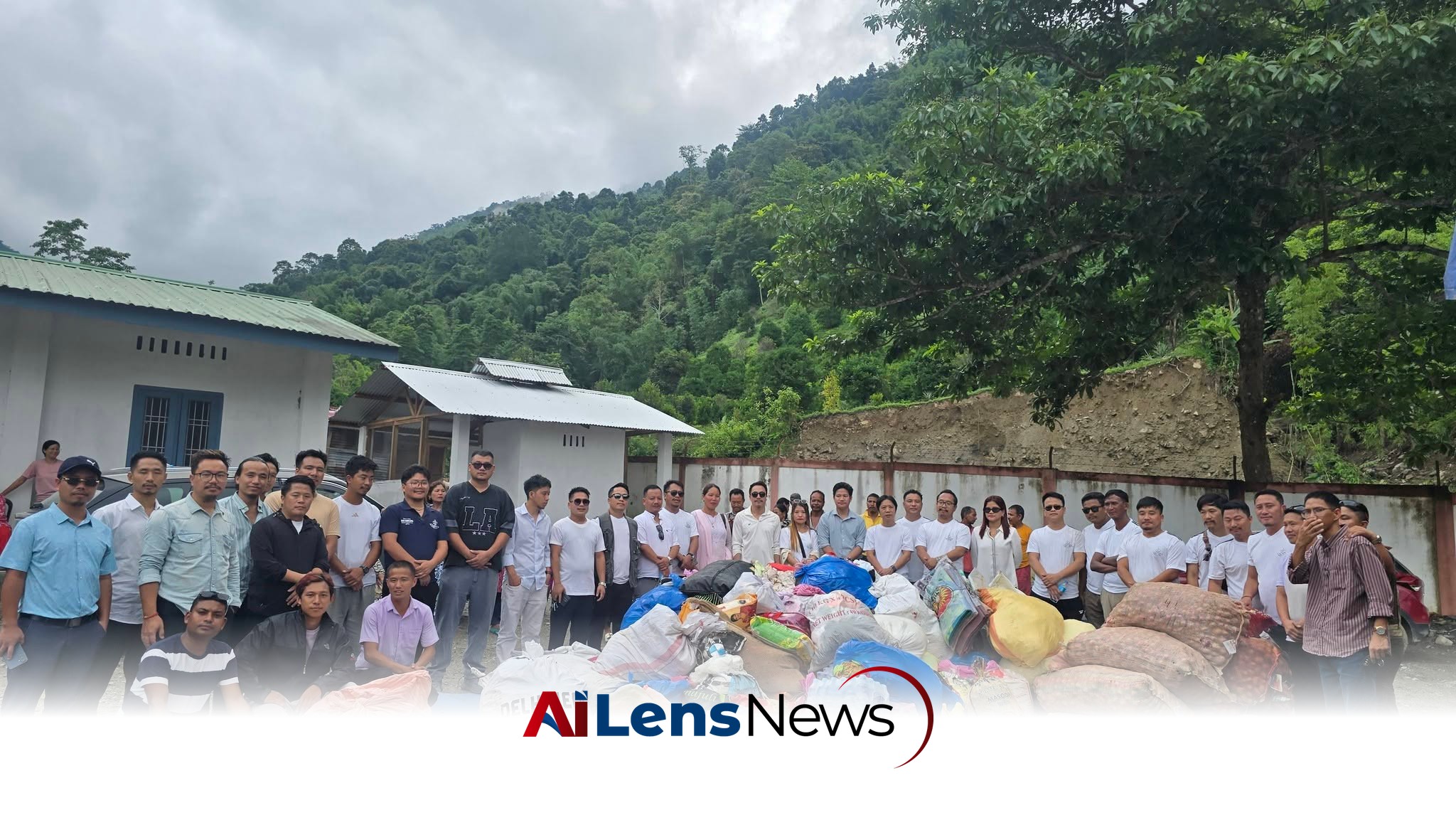


The All Students’ Union (AAPSU) has raised over ₹25 lakh to assist families affected by floods in Keyi Panyor, demonstrating remarkable leadership and compassion.
Itanagar, India Jul 11, 2026 ALN: The All Students’ Union (AAPSU) has extended significant humanitarian assistance to families affected by recent flash floods in Keyi Panyor district through its statewide flood relief outreach programme. The initiative has drawn attention not only for its immediate impact but also for its broader implications in terms of community resilience and the role of student organizations in disaster response.
Flash floods can occur suddenly and with little warning, causing devastating damage to infrastructure, homes, and livelihoods. In the case of Keyi Panyor, the recent floods have left many families in dire need of assistance. The AAPSU executive body, led by president Meje Taku and general secretary Mato Bui, along with the executive bodies of various Block Students’ Unions (BSUs) and District Students’ Unions (DSUs), mobilized quickly to address the urgent needs of the affected population. The rapid response from AAPSU underscores the importance of preparedness and the ability of organizations to act swiftly in times of crisis.
In a display of solidarity and community spirit, AAPSU conducted a statewide donation drive, successfully raising over ₹25 lakh. This amount is significant in the context of local economies, where financial resources are often limited. The funds raised were not only used for direct financial assistance but also to procure essential supplies, underscoring the importance of a multi-faceted approach in disaster relief. The ability to raise such a substantial amount in a short period reflects the commitment of the community to support its members during difficult times.
In addition to financial contributions, AAPSU distributed a truckload of essential relief materials, including food, clothing, drinking water, and other daily necessities among the victims. The provision of these items is critical in the aftermath of natural disasters, where access to basic needs can be severely disrupted. The timely delivery of food and clean water can prevent further health crises, particularly in vulnerable populations, including children and the elderly. Access to these resources can significantly impact the recovery process, allowing families to focus on rebuilding their lives.
As part of its relief package, AAPSU allocated ₹1 lakh each to five bereaved families, ₹70,000 each to families whose houses were completely destroyed, and ₹50,000 each to those whose homes suffered partial damage. This tiered approach to financial assistance ensures that help is tailored to the varying degrees of loss experienced by families. By recognizing the specific needs of different groups, AAPSU aims to provide a more effective and empathetic response to the crisis. This method of assistance not only addresses immediate financial needs but also acknowledges the emotional and psychological toll that such disasters can have on affected families.
The verified beneficiary list was handed over to ZPC Nabam Piju to ensure transparent distribution of the aid. Transparency in the distribution process is crucial in maintaining public trust and ensuring that resources reach those who need them most. The involvement of local governance structures, such as the ZPC, also highlights a collaborative effort between student organizations and governmental bodies in addressing community needs. Such partnerships can enhance the effectiveness of relief efforts and foster a sense of shared responsibility among various stakeholders.
After completing the allocations, AAPSU contributed the remaining ₹8,28,660 to the ‘HMLA Relief Care’ fund to support ongoing rehabilitation efforts in the affected areas. This decision reflects a long-term commitment to recovery, recognizing that immediate relief is only one aspect of disaster response. Rehabilitation efforts often require sustained funding and support to help communities rebuild their lives and infrastructure. The allocation to the relief fund also indicates an understanding that recovery is a process that extends beyond the immediate aftermath of a disaster.
MLA Toko Tatung praised AAPSU’s humanitarian initiative, stating that the student body had set a remarkable example of leadership and compassion by standing with flood victims during one of their most challenging times. This recognition from local leaders is significant as it reinforces the role of student organizations in the social fabric of the community. It also encourages other groups and individuals to participate in similar initiatives, fostering a culture of collective responsibility. The acknowledgment from political leaders can also enhance the credibility of student organizations, encouraging more community engagement in future relief efforts.
AAPSU also expressed gratitude to all donors, well-wishers, and every BSU and DSU whose support made the relief initiative possible. Acknowledging the contributions of various stakeholders is essential in building a sense of community and encouraging future collaboration. It also serves to highlight the interconnectedness of different segments of society in addressing humanitarian crises. The collective effort not only demonstrates the power of community but also sets a precedent for future initiatives that can mobilize resources and support in times of need.
This initiative not only highlights the importance of community support during crises but also showcases the proactive role that student organizations can play in disaster relief efforts. The involvement of young people in such initiatives can inspire a new generation of leaders and advocates for social change. Furthermore, it emphasizes the importance of preparedness and resilience in the face of natural disasters, encouraging communities to develop strategies and networks that can be activated in times of need. By engaging students in these efforts, AAPSU is also fostering a sense of civic responsibility among young individuals, preparing them to take action in future emergencies.
In conclusion, the humanitarian efforts led by AAPSU in response to the Keyi Panyor floods serve as a powerful reminder of the capacity for collective action in times of crisis. As communities continue to face the challenges posed by natural disasters, initiatives like this can play a vital role in not only providing immediate relief but also in fostering long-term recovery and resilience. The lessons learned from such experiences can inform future disaster preparedness strategies, ultimately contributing to stronger and more resilient communities. The proactive engagement of student organizations, combined with the support of local governance and the community, can create a robust framework for addressing the challenges posed by natural disasters and ensuring that affected populations receive the assistance they need.
To learn more about the latest developments in Community Stories, stay updated with our exclusive reports and analyses on AiLensNews.

