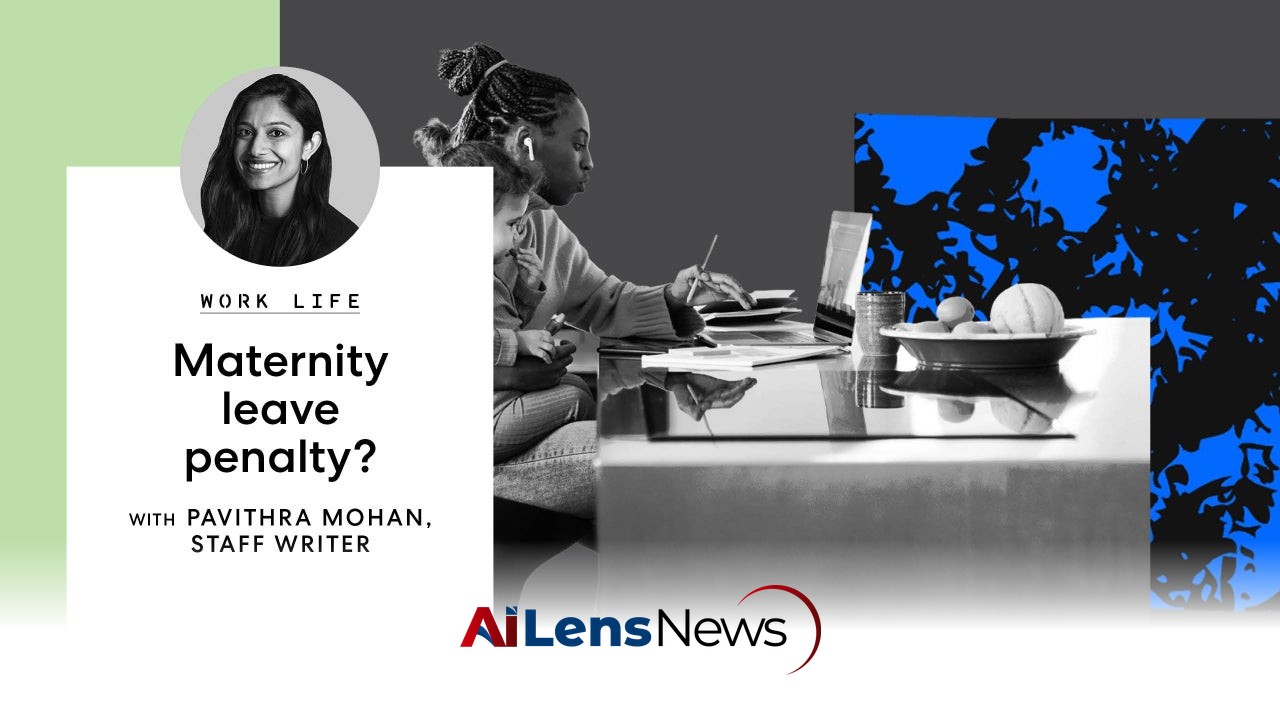


Despite parental leave policies, many working mothers experience missed promotions and job loss. Nearly half of pregnancy-related claims involve discrimination.
Washington DC, United States Jul 23, 2026 ALN: Parental leave is often heralded as a progressive step in workplace policy, designed to support new parents during a crucial time in their lives. However, the reality for many working mothers who take advantage of these policies is far more complex and troubling. While parental leave is intended to provide a supportive environment for employees balancing family and work commitments, many women report facing significant penalties upon their return to the workplace. This includes missed promotions, biased performance reviews, and, in some cases, job loss. The implications of these experiences extend beyond individual careers, affecting workplace culture, gender equality, and the overall economy.
Recent statistics reveal a stark reality: nearly half of all Equal Employment Opportunity Commission (EEOC) lawsuits filed in the previous year involved pregnancy-related claims. These figures underscore the systemic issues that many women face when navigating the intersection of motherhood and professional life. The challenges are not merely anecdotal; they reflect a broader pattern of discrimination and bias that persists in many sectors, despite the legal protections intended to safeguard against such treatment.
To understand the hidden penalties working mothers face, it is essential to explore the context in which these issues arise. The Family and Medical Leave Act (FMLA), enacted in 1993, allows eligible employees to take up to 12 weeks of unpaid leave for family and medical reasons, including the birth of a child. While this legislation was a significant step forward, it is limited in scope and does not cover all workers, nor does it provide paid leave, which many families cannot afford to take. As a result, the burden often falls disproportionately on women, who are more likely to take extended leave following childbirth. This situation is exacerbated by the fact that many employers do not offer additional paid leave or flexible work arrangements, effectively pushing women to choose between their careers and their families.
Upon returning from parental leave, many mothers report feeling the pressure to prove their commitment to their jobs. This pressure can manifest in various ways, including being assigned less critical projects, receiving negative performance reviews, or being overlooked for promotions. Research indicates that mothers are often perceived as less competent and less committed to their careers compared to their male counterparts or even women without children. This bias can lead to a vicious cycle where women feel compelled to work harder to counteract these perceptions, often at the expense of their well-being. The psychological toll of this pressure can be significant, contributing to higher levels of stress and burnout among working mothers.
The implications of these experiences extend beyond individual mothers and their families. When companies fail to support working parents adequately, they risk losing valuable talent. Women represent a significant portion of the workforce, and their contributions are vital to organizational success. The loss of experienced employees due to workplace discrimination not only harms the individuals involved but also impacts the overall productivity and morale of teams. Furthermore, organizations that do not prioritize diversity and inclusion may find themselves at a competitive disadvantage, as they struggle to attract and retain top talent in an increasingly diverse job market.
Moreover, the economic ramifications of failing to support working mothers are profound. A 2020 report by the McKinsey Global Institute found that advancing women's equality in the workplace could add $12 trillion to global GDP by 2025. However, when companies do not actively work to retain female employees, they are not only hindering progress toward gender equality but also missing out on significant economic benefits. The loss of female talent translates into lost innovation, reduced productivity, and a lack of diverse perspectives that are crucial for problem-solving and decision-making in today’s complex business landscape.
To address these challenges, companies must take proactive steps to create a more inclusive and supportive environment for working mothers. This includes implementing comprehensive parental leave policies that are not only generous but also equitable. Paid leave should be a standard benefit, allowing parents to take the necessary time off without the fear of financial instability. Furthermore, organizations should establish clear guidelines to prevent discrimination against employees who take parental leave, ensuring that their career trajectories remain unaffected. This proactive approach not only helps in retaining talent but also builds a positive organizational culture that values family and work-life balance.
Additionally, companies should invest in training programs to raise awareness around unconscious bias and its impact on workplace culture. By educating employees and management about the challenges faced by working mothers, organizations can foster a more empathetic and understanding environment. This training should also extend to performance evaluation processes, ensuring that reviews are fair and based on objective criteria rather than biased perceptions. Implementing these changes can help mitigate the negative stereotypes associated with working mothers and promote a more equitable workplace.
Furthermore, mentorship and sponsorship programs can play a crucial role in supporting working mothers. By pairing them with mentors who understand the unique challenges they face, organizations can help these women navigate their careers more effectively. This support can be instrumental in ensuring that mothers feel valued and empowered to pursue promotions and leadership roles. Mentorship can also provide working mothers with networking opportunities that are essential for career advancement, helping them to build connections that can lead to new opportunities.
In conclusion, while parental leave policies may appear beneficial on the surface, the hidden penalties faced by working mothers reveal a much more complicated reality. The systemic discrimination and bias that many women encounter upon returning to work can have lasting consequences, not only for their careers but also for the workplace as a whole. It is imperative that companies recognize these issues and take meaningful action to support working mothers. By doing so, they can create a more equitable and productive workplace, benefiting not only their employees but also their bottom line and society at large. Addressing these challenges is not just a moral imperative; it is also a strategic business decision that can lead to enhanced organizational performance and greater societal progress.
To learn more about the latest developments in Social Commentary, stay updated with our exclusive reports and analyses on AiLensNews.

