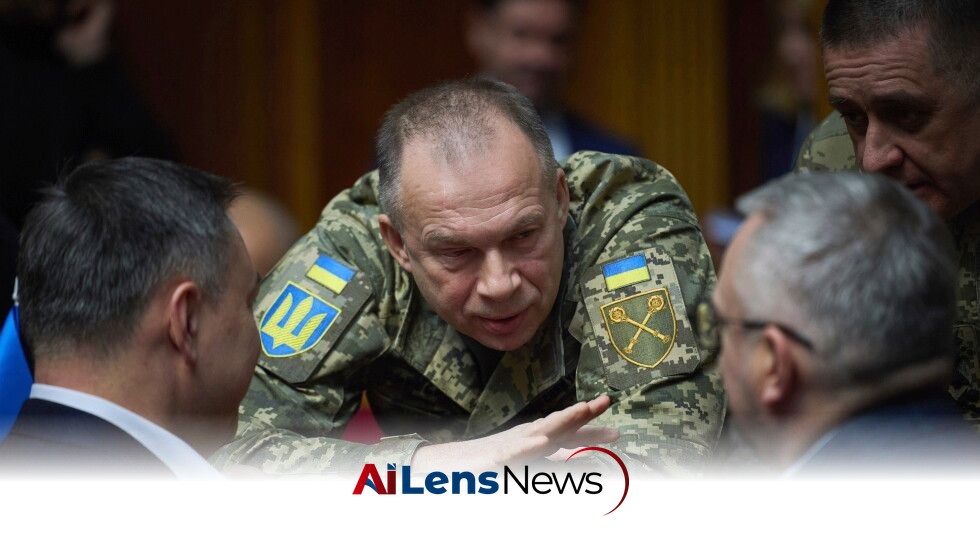


Ukrainian President Volodymyr Zelenskyy has removed General Oleksandr Syrskyi from his position as commander-in-chief of the armed forces following public protests and unrest.
Washington DC, United States Jul 22, 2026 ALN: In a significant political move, President Volodymyr Zelenskyy of Ukraine has dismissed General Oleksandr Syrskyi from his role as commander-in-chief of the armed forces. This decision comes in the wake of growing public protests and dissatisfaction regarding the military's performance amidst ongoing conflicts, particularly in light of the ongoing war with Russia that has persisted since 2014, escalating dramatically in February 2022.
The announcement was made during a press briefing where Zelenskyy emphasized the need for a fresh approach to military leadership. He stated, "Our armed forces require a leader who can adapt to the evolving challenges we face and inspire confidence among our troops and the public." This change is expected to bring a new strategic direction to Ukraine's military operations, which have faced significant challenges in recent months, including territorial losses and logistical issues.
General Syrskyi had been in command during a tumultuous period for Ukraine, marked by intense military engagements and significant casualties. His leadership faced scrutiny as activists and citizens rallied for accountability, demanding reforms within the military structure. The backdrop of his dismissal is rooted in a broader context of dissatisfaction with the military's performance, especially as the Ukrainian armed forces have been tasked with defending the nation against a well-equipped adversary.
Protests intensified following the dismissal of Defense Minister Mykhailo Fedorov, who had only served for six months. Many viewed this as a sign of instability within the government, prompting calls for Syrskyi's resignation as well. The combination of these dismissals reflects a critical moment for the Ukrainian leadership, as public confidence in military effectiveness is crucial for national morale and support.
Moreover, the situation has been exacerbated by reports of corruption and inefficiencies within the military procurement processes, which have led to delays in receiving essential supplies and equipment. Activists and civil society organizations have been vocal about the need for transparency and accountability in military spending, further fueling public discontent.
Public sentiment regarding the military's performance has been heavily influenced by the ongoing war with Russia. Since the annexation of Crimea in 2014 and the subsequent conflict in Eastern Ukraine, the Ukrainian military has had to adapt rapidly to new types of warfare, including hybrid tactics that blend conventional military operations with cyber warfare and disinformation campaigns. The challenges faced by the military have been compounded by a lack of resources and training, which has led to calls for comprehensive reforms.
As the war with Russia escalated in February 2022, the Ukrainian military found itself in a precarious position, facing a more aggressive and better-equipped adversary. The loss of territory and the high number of casualties have heightened public scrutiny of military leadership and strategies. Many citizens have expressed frustration over the perceived lack of accountability and effectiveness in military operations, leading to increased pressure on the government to take decisive action.
In place of General Syrskyi, President Zelenskyy has appointed a new commander, whose identity has not yet been disclosed. The new leader is expected to address the pressing issues facing the military and restore public confidence in Ukraine's defense capabilities. The selection of the new commander will be closely watched, as the individual will inherit a complex array of challenges, including the need to improve troop morale, enhance operational effectiveness, and navigate the political landscape that has been marked by instability.
This leadership change reflects the government's response to public sentiment and the urgent need for effective military strategies as Ukraine continues to navigate the complexities of its ongoing conflict. The new commander will need to engage with both military personnel and the public to foster a sense of unity and purpose, which is essential for maintaining support during the ongoing war.
In addition to addressing immediate operational concerns, the new commander will be tasked with implementing long-term reforms within the military. This includes improving training programs, streamlining procurement processes, and ensuring that resources are allocated effectively to meet the needs of the armed forces. The ability to build trust with both soldiers and civilians will be crucial for the new leader as they seek to restore confidence in the military's capabilities.
The public's reaction to the dismissal has been mixed. While some citizens express hope that new leadership will bring about positive changes, others remain skeptical about the government's ability to implement effective reforms. Activists continue to advocate for transparency and accountability within the military and government, emphasizing that mere changes in leadership are insufficient without systemic reforms.
Social media has played a significant role in shaping public opinion, with various groups mobilizing to express their views on the military's performance and the government's decisions. Many citizens are calling for a more comprehensive approach to military reform that includes not only leadership changes but also improvements in training, resource allocation, and strategic planning.
As Ukraine faces ongoing challenges, the new military leadership will be under pressure to demonstrate results and restore faith in the armed forces. The stakes are particularly high as the conflict with Russia continues, with both sides engaged in a protracted struggle for territorial control and political influence in the region. The new commander will need to quickly assess the current military situation, identify weaknesses, and implement strategies that can effectively counter Russian advances.
Additionally, the international community is closely monitoring developments in Ukraine, particularly as Western nations have provided significant military aid and support. The effectiveness of Ukraine's military leadership can influence the degree of continued support from allies, making it imperative for the new commander to showcase a clear and coherent military strategy.
The dismissals of both the defense minister and the commander-in-chief may also have implications for Ukraine's relationships with its allies. Observers have noted that consistent leadership is crucial for maintaining trust and collaboration with international partners, especially in the context of military assistance and strategic planning. The new military leadership will need to reassure allies of Ukraine's commitment to reform and effective military operations.
In conclusion, President Zelenskyy's decision to dismiss General Syrskyi marks a pivotal moment in Ukraine's military strategy, signaling a potential shift in how the country approaches its defense amidst ongoing turmoil. The implications of this leadership change extend beyond the military, affecting political stability, public sentiment, and international relations. As the new commander takes the helm, the eyes of the nation and the world will be on Ukraine to see how it navigates the challenges ahead and whether it can restore confidence in its armed forces during this critical juncture in its history.
To learn more about the latest developments in Politics, stay updated with our exclusive reports and analyses on AiLensNews.

