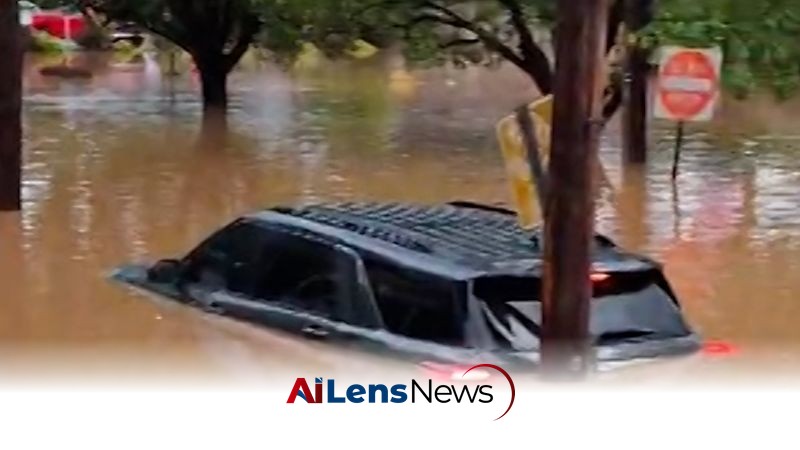


Historic flooding in West Virginia has led to a statewide emergency declaration as severe storms cause significant damage and swift water rescues.
Charleston, United States Jul 22, 2026 ALN: Severe thunderstorms unleashed catastrophic flooding across parts of central West Virginia Tuesday while also spawning tornadoes and damaging winds from Kentucky to New Jersey as they swept through the Ohio Valley and Mid-Atlantic. The extreme weather event has raised alarms not only due to the immediate damage it has caused but also because of the broader implications for climate patterns and emergency preparedness in the region.
Storms dropped more than 5 inches of rain in about six hours in parts of Upshur County, West Virginia, Tuesday afternoon. The National Weather Service has tagged this as a “particularly dangerous situation,” noting several reports of swift water rescues and significant structure flooding. This sudden deluge is reminiscent of past severe weather events that have historically plagued the area, raising concerns about the increasing frequency and intensity of such storms. CNN has reached out to local authorities for more information regarding the ongoing situation and the response efforts being implemented.
The flooding has reached historic levels, with the Sand Run stream gauge near Buckhannon cresting above 10.6 feet Tuesday, shattering the previous record of 8.3 feet set during the devastating 1985 flood. It’s the first time in roughly 80 years of recordkeeping that the gauge has reached major flood stage. The significance of this event cannot be understated; the 1985 flooding was one of the most catastrophic in West Virginia's history, resulting in 47 fatalities and the destruction of thousands of homes and hundreds of businesses. The memories of that disaster linger in the minds of many residents, making this recent flooding particularly alarming.
In response to the severe weather, Governor Patrick Morrisey declared a state of emergency for all 55 counties in West Virginia Tuesday evening. This declaration is a critical step that allows state agencies to coordinate resources and deploy personnel and equipment as needed. The West Virginia National Guard has mobilized approximately 300 Guard members who are expected to arrive in the hardest-hit areas by Wednesday morning. They will deploy swiftwater rescue teams, engineers, and other essential resources to assist local emergency crews, highlighting the urgent need for coordinated efforts in disaster response.
The governor reported that the hardest-hit areas included Lewis, Pleasants, and Upshur counties, where flooding and related damage have triggered ongoing emergency response efforts, including dozens of water rescues. The swift water rescues underscore the dangers posed by rapidly rising waters, which can sweep away vehicles and endanger lives. Local emergency management teams are working tirelessly to ensure the safety of residents, but the challenges posed by the flooding are immense.
The West Virginia Emergency Management Division has opened a shelter at Lewis County High School for residents displaced by the flooding. This shelter serves as a critical resource for those who have lost their homes or are unable to return due to unsafe conditions. The establishment of emergency shelters is a vital aspect of disaster response, providing not only a safe place to stay but also access to food, medical care, and other essential services during a time of crisis.
Moreover, the same storm system responsible for the flooding has also produced multiple tornadoes and widespread damaging winds farther north and east. Tornadoes were reported in Kentucky, Ohio, and New Jersey Tuesday, including one in Clermont County, Ohio. The occurrence of tornadoes in conjunction with heavy rainfall and flooding illustrates the multifaceted nature of severe weather events, which can lead to a variety of hazards that complicate emergency response efforts.
As the situation continues to develop, the implications of this flooding extend beyond immediate rescue and recovery efforts. Climate change has increasingly been linked to the frequency and intensity of extreme weather events, and this incident serves as a reminder of the vulnerabilities faced by communities in flood-prone areas. As global temperatures rise, the capacity of the atmosphere to hold moisture increases, leading to more intense rainfall events. This trend has been observed in various regions across the United States, including the Ohio Valley and Mid-Atlantic, where heavy rainfall and flooding have become more common.
In light of these developments, local and state officials are likely to reassess their emergency preparedness plans and infrastructure resilience. The need for improved flood management systems, better early warning systems, and community education on disaster preparedness is more pressing than ever. As communities recover from this latest disaster, discussions about long-term strategies to mitigate the impacts of future flooding events will be crucial.
The historical context of flooding in West Virginia plays a significant role in understanding the current situation. The state has a long history of severe flooding, with notable events in 1937, 1985, and more recently in 2016. Each of these events has contributed to a growing awareness of the need for better flood management and response strategies. The 1985 flood, in particular, was a turning point that prompted changes in local and state emergency management practices, emphasizing the importance of preparedness and infrastructure improvements.
In addition to the immediate impacts of flooding, there are long-term implications for the local economy and community resilience. Flooding can lead to extensive property damage, loss of business, and disruption of essential services, which can take years to fully recover from. The psychological toll on residents, particularly those who have experienced multiple floods, can also be significant, leading to increased anxiety and stress in affected communities. As such, mental health support and community rebuilding initiatives will be essential components of the recovery process.
Furthermore, the intersection of climate change and urban planning is becoming an increasingly important topic for policymakers. As regions like West Virginia grapple with the realities of changing weather patterns, there is a growing recognition of the need to incorporate climate resilience into land-use planning and infrastructure development. This includes considering the placement of new developments, improving drainage systems, and investing in green infrastructure that can absorb excess rainwater.
As recovery efforts begin, the focus will not only be on immediate relief but also on long-term strategies to safeguard communities against future disasters. This may involve collaboration between local, state, and federal agencies, as well as partnerships with non-profit organizations and community groups. Engaging residents in the recovery process and ensuring that their voices are heard in decision-making will be crucial to building a more resilient future.
In summary, the severe flooding in West Virginia has triggered a statewide emergency response, highlighting the urgent need for coordinated disaster management efforts. The historic nature of the flooding, coupled with the broader implications of climate change, underscores the importance of preparedness and resilience in the face of increasingly severe weather patterns. As communities start to recover, the lessons learned from this disaster will guide future planning and response efforts, ensuring that West Virginia is better equipped to handle the challenges posed by climate change and extreme weather events.
To learn more about the latest developments in Weather & Emergency, stay updated with our exclusive reports and analyses on AiLensNews.

