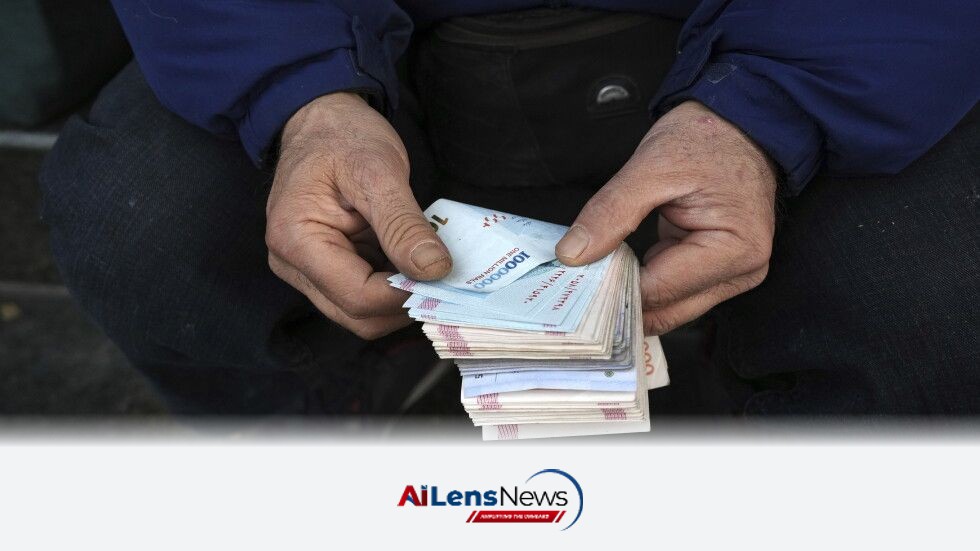



In a recent announcement, Treasury Secretary Scott Bessent issued a stern warning to countries engaging in business with Iran, urging them to sever financial ties or face repercussions from the United States.
Washington DC, United States Aug 25, 2026 ALN: In a significant escalation of economic pressure, US Treasury Secretary Scott Bessent has declared a new round of sanctions targeting Iran. During a press conference held on Monday, Bessent emphasized the urgency of the situation, describing it as an 'economic D-Day' for nations involved in financial dealings with the Islamic Republic.
Bessent's remarks come amid ongoing tensions between the United States and Iran, particularly concerning Iran's nuclear program and its regional activities. The Secretary warned that countries that continue to engage in business with Iran will face severe consequences, including potential retaliation from the US government. This statement underscores the US's long-standing policy of exerting economic pressure on Iran, which has been a focal point of US foreign policy since the early 2000s.
The newly imposed sanctions are part of a broader strategy to isolate Iran economically. Bessent outlined that the sanctions will target various sectors, including banking, energy, and trade, aiming to cripple Iran's ability to finance its controversial activities. The sanctions are expected to include restrictions on transactions with Iranian banks, prohibitions on the export of certain goods, and limitations on investments in Iran's energy sector.
These measures are not without precedent; the US has previously imposed similar sanctions in response to Iran's nuclear ambitions and its support for groups that the US designates as terrorist organizations. The sanctions have often aimed to restrict Iran's access to international financial systems and reduce its oil exports, which are crucial for the country’s economy. The effectiveness of such sanctions, however, has been a topic of debate, as Iran has historically found ways to circumvent restrictions through alternative trading partners and methods.
The announcement has sparked a range of reactions from the international community. Some countries have expressed concern over the implications of the sanctions, particularly those with existing trade agreements with Iran. For instance, European nations, which have been historically more open to diplomatic engagement with Tehran, might face tough decisions about their economic relationships. Analysts predict that this could lead to a significant shift in global trade dynamics, as nations reassess their economic ties.
China and Russia, two of Iran's key allies, have also voiced their opposition to US sanctions, arguing that unilateral measures are counterproductive and could escalate tensions further. Both countries have been known to maintain trade relations with Iran despite US pressure, and they may seek to bolster their economic ties with Tehran in response to the latest sanctions. This geopolitical landscape raises questions about the efficacy of US sanctions, as countries may increasingly challenge US hegemony in global economic affairs.
Market analysts are closely monitoring the situation, as the sanctions could have far-reaching effects on global oil prices and trade routes. The potential for increased volatility in the markets is high, especially if countries begin to comply with the US demands. Iran is a major player in the global oil market, and any disruptions to its exports could lead to price fluctuations that affect economies worldwide.
Furthermore, the sanctions may lead to a reconfiguration of supply chains, particularly in the energy sector. Nations that rely on Iranian oil may need to seek alternative suppliers, which could drive up costs and create shortages in the short term. Conversely, countries that align with the US stance may find themselves in a more favorable position in terms of trade relations with the US and its allies.
As the US intensifies its economic measures against Iran, the global community faces a critical juncture. Countries must weigh the risks of maintaining financial ties with Iran against the potential repercussions from the US. The coming weeks will be crucial in determining how nations respond to these warnings and the overall impact on international relations.
This situation not only highlights the complexities of international diplomacy but also underscores the interconnectedness of global economies. As nations navigate these turbulent waters, the outcomes will likely influence future policies regarding sanctions and international trade relations, potentially reshaping the geopolitical landscape for years to come.
To learn more about the latest developments in World News & International Affairs, stay updated with our exclusive reports and analyses on AILensNews.

