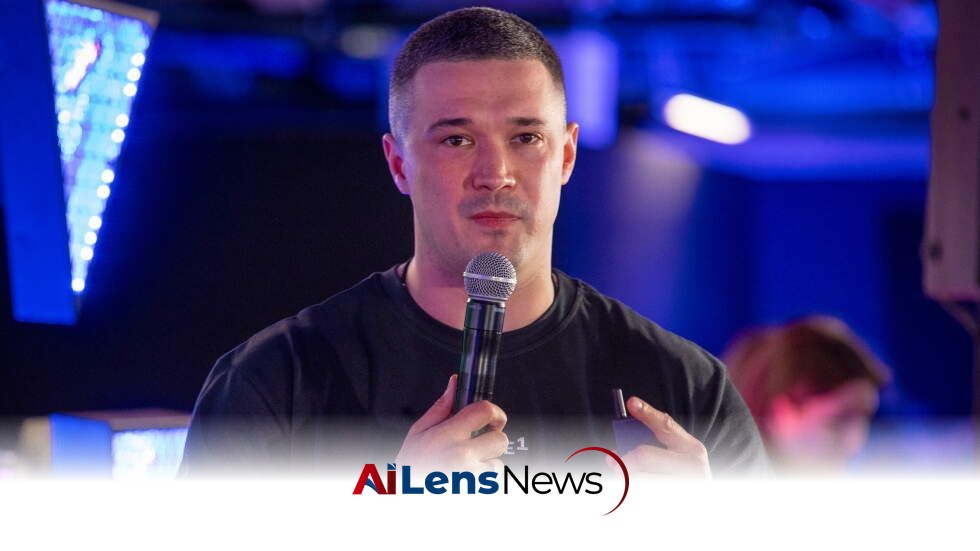


Thousands of Ukrainians take to the streets to protest President Zelenskyy's decision to dismiss Defense Minister Mykhailo Fedorov amid ongoing conflict with Russia.
Washington DC, United States Jul 17, 2026 ALN: KYIV, Ukraine — President Volodymyr Zelenskyy shook up his wartime government, drawing thousands into the streets Thursday across Ukraine to protest the ouster of his youthful defense minister — seen as an innovator of the country’s successful drone technology but who clashed with the traditional military establishment.
The personnel overhaul, which included replacing his prime minister, could become a test of Zelenskyy’s political authority as Ukraine’s fight against Russia’s full-scale invasion approaches 4½ years. Zelenskyy has remained in office under martial law because wartime elections are prohibited but has periodically reshuffled his government. This latest change is emblematic of the ongoing tensions within the Ukrainian political and military landscape, which have been exacerbated by the protracted conflict with Russia.
The moves threw Ukraine’s military leadership into an unwelcome crisis at a time when its actions against Russia are starting to bear fruit and as Moscow has unleashed unrelenting aerial attacks. Two people were killed and five others were wounded, including a child, when Russian missiles hit the capital of Kyiv overnight, Ukraine’s Emergency Service said. Such incidents highlight the ongoing danger faced by Ukrainian civilians and the urgent need for effective military leadership and strategy as the conflict continues.
In making the changes, Zelenskyy cited friction between outgoing Defense Minister Mykhailo Fedorov and Gen. Oleksandr Syrskyi, the commander of Ukraine’s armed forces. This friction is indicative of a broader struggle within the military hierarchy, where traditionalists may resist the rapid modernization and adaptation required by the unprecedented nature of modern warfare, particularly in the context of drone technology and cyber warfare.
“I’m just showing that if the sides can’t resolve an issue, I will have to resolve it,” Zelenskyy said at a news conference, indicating his commitment to maintaining a cohesive and effective military strategy. His statement underscores the challenges faced by leaders in wartime, where decisions can have immediate and far-reaching consequences on both the battlefield and the home front.
Fedorov, 35, is considered to be a vigorous modernizer whose technological expertise is credited in part with significantly improving Ukraine’s military performance in recent months against Russia’s bigger army. His tenure, albeit short, was marked by a push for modernization that aligned with the evolving nature of warfare, particularly the integration of drone technology into military operations. This shift has been crucial as Ukraine has sought to level the playing field against its larger adversary, which has relied heavily on traditional military might.
Fedorov appeared at a news conference in a dark T-shirt and jeans, and accused Syrskyi of blocking reforms needed because “the war has changed completely” due to new technology like drones. This statement reflects a growing recognition within military circles that the nature of warfare has evolved, requiring innovative strategies and technologies to counteract conventional forces. The friction between Fedorov and Syrskyi may also symbolize a generational divide within the military, where younger leaders advocate for rapid adaptation and modernization, while more traditional figures may prefer established tactics and strategies.
The protests that erupted following Fedorov's dismissal illustrate the significant public support for his approach and the broader demand for reform within the Ukrainian military establishment. Many citizens view his ousting as a setback in the ongoing struggle against Russian aggression, potentially undermining the momentum gained in recent military successes. The public's response also highlights the importance of transparency and accountability in government, particularly in times of crisis.
As the conflict continues, the implications of Zelenskyy's decision extend beyond immediate military concerns. The reshuffling of leadership may affect international perceptions of Ukraine's commitment to reform and modernization, which are critical for securing continued support from Western allies. The West has been closely monitoring Ukraine's military reforms, as they are essential for the effective use of the substantial military aid provided by various nations, particularly NATO members.
Additionally, the political ramifications of this decision could have lasting effects on Zelenskyy's administration. While he may have acted decisively to address internal conflicts, the backlash from the public could signal a growing discontent with his leadership style, particularly if the situation on the battlefield does not improve in the wake of these changes. This could lead to increased calls for accountability and a reevaluation of the government's strategies in dealing with both military and civilian challenges.
Moreover, the ongoing conflict with Russia has created a complex political landscape in Ukraine, where public sentiment can shift rapidly. The protests following Fedorov's dismissal may also reflect broader anxieties among the populace regarding the direction of the war and the effectiveness of the government in managing the crisis. As the situation evolves, it will be crucial for Zelenskyy and his administration to navigate these challenges carefully, balancing the need for military effectiveness with the demands of the public for transparency and accountability.
In conclusion, the recent changes in Ukraine's defense leadership come at a critical juncture in the ongoing conflict with Russia. As the country grapples with the realities of modern warfare and the need for rapid adaptation, the implications of these decisions will resonate throughout the military and political spheres. The protests following the dismissal of Defense Minister Mykhailo Fedorov underscore the significance of leadership in wartime and the essential role that public support plays in shaping the course of the nation’s defense strategy. The coming weeks and months will be pivotal as Ukraine seeks to maintain its momentum against Russian aggression while addressing the internal challenges that threaten its unity and effectiveness.
To learn more about the latest developments in Politics, stay updated with our exclusive reports and analyses on AiLensNews.

