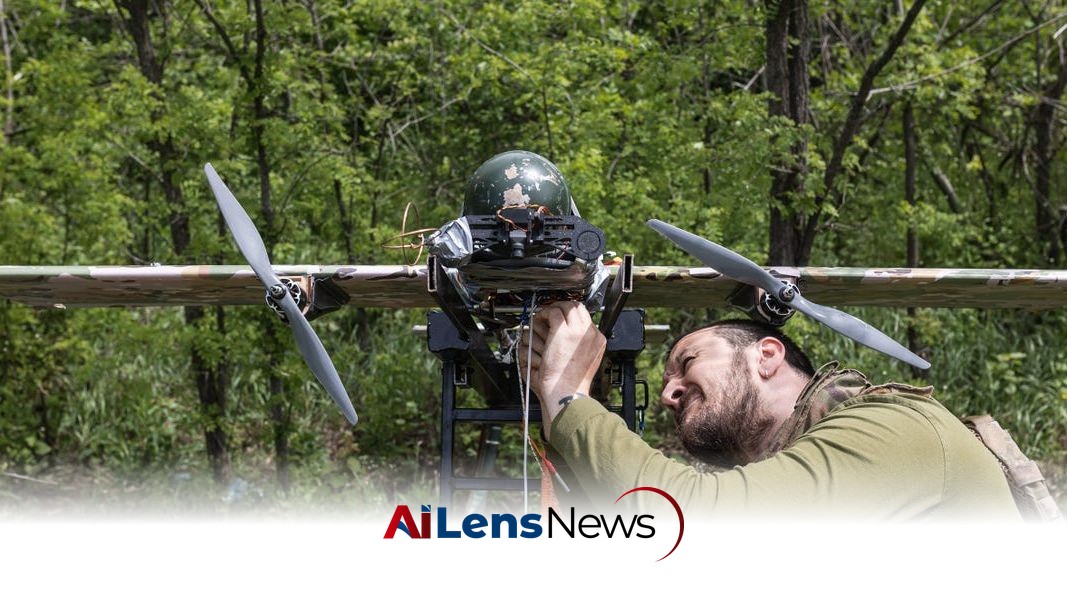


Ukraine's defense ministry reports that taking out a Russian soldier costs over $3,000, while striking infrastructure is significantly cheaper.
Washington DC, United States Aug 18, 2026 ALN: Ukraine's defense ministry has released data indicating that in June, it cost approximately $3,032 to eliminate a Russian soldier. In contrast, striking an infrastructure facility was reported to cost around $1,487, highlighting a significant disparity in operational costs. This information not only underscores the financial aspects of modern warfare but also reflects the strategic choices that military planners must make in terms of resource allocation.
The ministry's findings are based on over 230,000 battlefield reports processed weekly, revealing that targeting personnel is the most expensive aspect of their drone strike missions. For instance, attacking a piece of Russian equipment costs about $2,674. The implications of these costs are significant for both military strategy and budgeting, as they inform decisions on whether to prioritize personnel or equipment in strike missions.
As Ukraine continues to refine its drone warfare strategies, the ministry noted that in 2024, the cost to kill one Russian soldier was estimated at $20,000. This projected increase raises questions about the sustainability of such operations and the potential need for Ukraine to adjust its tactics or seek additional resources. Western estimates suggest that Ukraine is capable of inflicting casualties on approximately 30,000 Russian soldiers monthly, which further emphasizes the scale of the conflict and the high stakes involved.
The data was compiled using the Mission Control system, a digital command-and-control program launched in January to analyze drone missions. This system has logged over 50,000 missions to date and collects more than 230,000 reports each week. The use of such technology represents a significant advancement in military operations, allowing for real-time data analysis and improved decision-making on the battlefield.
According to the ministry, "Mission Control" not only facilitates mission planning and recording but also assesses economic efficiency. For instance, in June, every dollar spent by the Defense Forces resulted in nearly five dollars worth of losses for Russia. This ratio of expenditure to enemy loss is crucial for understanding the effectiveness of Ukraine's military strategy and could influence future engagements.
In comparison, the ministry estimates that sustaining a Russian service member costs around $65,000, indicating that the enemy incurs costs several times greater than those of Ukrainian forces. This information could be pivotal in shaping both the tactical and strategic approaches of both sides, as each seeks to maximize their effectiveness while minimizing costs.
The Mission Control system is part of Ukraine's broader initiative to digitalize its command processes, providing commanders with a unified operational overview of the conflict. It is a module within the DELTA digital battlefield management system, which integrates data from drones, frontline reports, and satellite intelligence. DELTA requires video evidence to validate successful strikes and processes over 75,000 streams daily. This integration of various data sources enhances situational awareness and allows for a more coordinated and effective response to battlefield developments.
Furthermore, the Mission Control allows drone teams to log the costs associated with the weapons used in each strike, as well as the value of the Russian equipment damaged or destroyed. This capability enables rapid adaptation to evolving conditions on the battlefield, allowing commanders to make informed decisions based on the latest intelligence and operational data. The ability to quantify the costs of operations not only aids in immediate tactical decisions but also supports long-term strategic planning.
In June alone, Ukrainian forces recorded approximately 200,000 drone strikes, averaging around 6,600 strikes per day, showcasing the intensity of their aerial operations. This high volume of strikes reflects a concerted effort to maintain pressure on Russian forces and disrupt their operational capabilities. The reliance on drone warfare has become a defining characteristic of the conflict, highlighting the shift towards more technologically advanced forms of combat.
The financial analysis presented by the Ukrainian defense ministry also has broader implications for international military assistance and support. As Ukraine continues to seek aid from Western allies, demonstrating the cost-effectiveness of its military operations could bolster its case for increased funding and resources. Moreover, the data may influence how other nations approach their military strategies, particularly in terms of the integration of technology and data analysis into traditional warfare.
In summary, the disparity in costs associated with targeting personnel versus infrastructure highlights the complexities of modern warfare and the evolving nature of military strategy. As Ukraine adapts its approach to drone warfare, the insights gained from the Mission Control system will play a critical role in shaping its future operations and overall military effectiveness. The ongoing conflict underscores the importance of technological advancements in warfare, as nations increasingly rely on data-driven strategies to inform their military decisions.
To learn more about the latest developments in World News & International Affairs, stay updated with our exclusive reports and analyses on AiLensNews.

