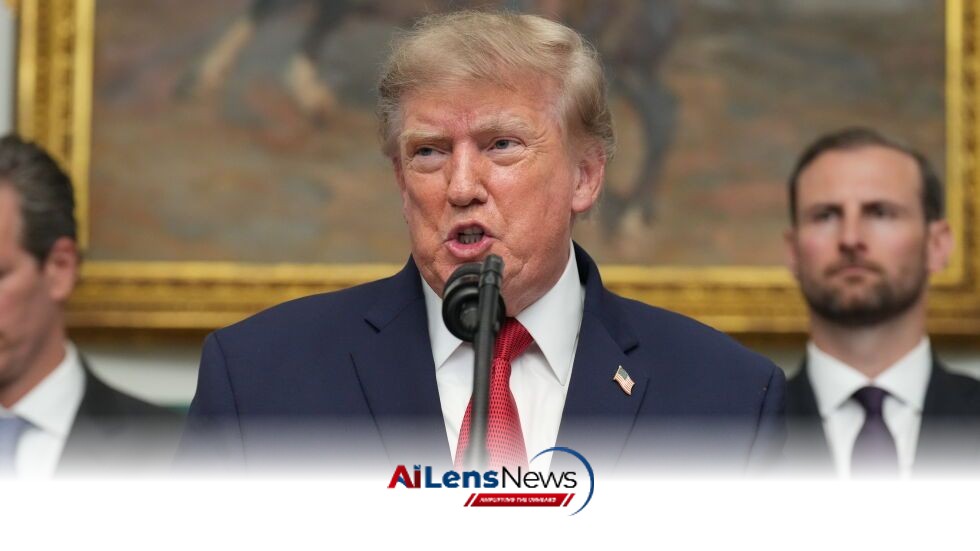



President Trump has proposed a temporary increase in beef imports to lower prices, but ranchers and some Republicans are expressing concerns.
Washington DC, United States Aug 22, 2026 ALN: In a bid to tackle rising beef prices, President Donald Trump has announced a plan to temporarily allow more beef imports into the United States without imposing higher tariffs. This move aims to alleviate the financial burden on consumers and stabilize the beef market, which has seen significant price increases in recent months. The plan is a response to growing consumer dissatisfaction and economic pressures stemming from inflation and supply chain disruptions that have affected various sectors, including agriculture.
During a recent meeting with technology leaders at the White House, Trump emphasized the need for immediate action to address the escalating costs of beef, which have significantly impacted American families. He stated, "We need to ensure that our citizens can afford quality food, and this plan will help us achieve that goal." The administration believes that increasing imports will create a more competitive market, ultimately benefiting consumers by driving prices down and increasing availability.
However, the proposal has not been met with unanimous support. Many ranchers are voicing their concerns, arguing that increased imports could undermine domestic beef production. They fear that the influx of foreign beef could lead to lower prices for their products, jeopardizing their livelihoods. Ranchers have long been an essential part of the American agricultural landscape, and their voices carry significant weight in policy discussions.
Rancher associations have expressed their apprehension, stating that the plan could result in a significant loss of income for local producers. "We are already facing challenges due to rising feed costs and market volatility. This plan could be the final nail in the coffin for many family-owned ranches," said a representative from a prominent ranching group. The sentiment reflects a broader concern within the agricultural community about the sustainability of their operations in the face of increasing competition from imported goods.
Moreover, ranchers argue that the quality of imported beef may not match that of domestically produced beef, which could lead to consumer confusion and dissatisfaction. They emphasize that American ranchers adhere to strict safety and quality standards, which may not be consistently met by foreign producers. This concern raises questions about food safety and consumer health, which are critical issues in the ongoing debate over food imports.
Some Republican lawmakers are also raising eyebrows at the proposal. They argue that while the intention to lower prices is commendable, the potential consequences for American ranchers must be carefully considered. "We need to support our farmers and ranchers, not put them at a disadvantage," stated one Republican senator. This dissent highlights a growing divide within the party regarding agricultural policy and the balance between consumer interests and the protection of domestic industries.
The concerns from ranchers and some Republican lawmakers reflect a broader tension in U.S. agricultural policy, where the interests of consumers and producers often clash. The agricultural sector has historically relied on government support to navigate market fluctuations, and any policy that threatens the viability of local producers can have ripple effects throughout the economy. As such, lawmakers are tasked with finding a solution that addresses consumer needs without sacrificing the livelihoods of American farmers.
Despite the pushback, the Trump administration remains steadfast in its commitment to the plan. Officials argue that the benefits to consumers outweigh the potential drawbacks for ranchers. They believe that a more competitive market will ultimately lead to better prices for all, fostering an environment where consumers can access affordable food while still supporting the agricultural sector. The administration's stance is indicative of a broader trend in economic policy that prioritizes consumer choice and market competition.
The administration is expected to move forward with the plan in the coming weeks, but the ongoing debate highlights the complexities of balancing consumer needs with the interests of domestic producers. As discussions continue, it remains to be seen how this policy will impact the beef industry and whether it will achieve its intended goals. The implications of this decision extend beyond just the beef market; they could set a precedent for how future agricultural policies are shaped in response to market pressures.
In conclusion, while President Trump's initiative aims to provide relief to consumers grappling with high beef prices, it has sparked significant opposition from ranchers and some members of his own party. The outcome of this policy will be closely monitored as it unfolds, with stakeholders from various sectors keeping a watchful eye on its effects. The resolution of this issue will likely influence future discussions about trade, agriculture, and the role of government in managing market dynamics, ultimately shaping the landscape of American agriculture for years to come.
To learn more about the latest developments in Economy, stay updated with our exclusive reports and analyses on AILensNews.

