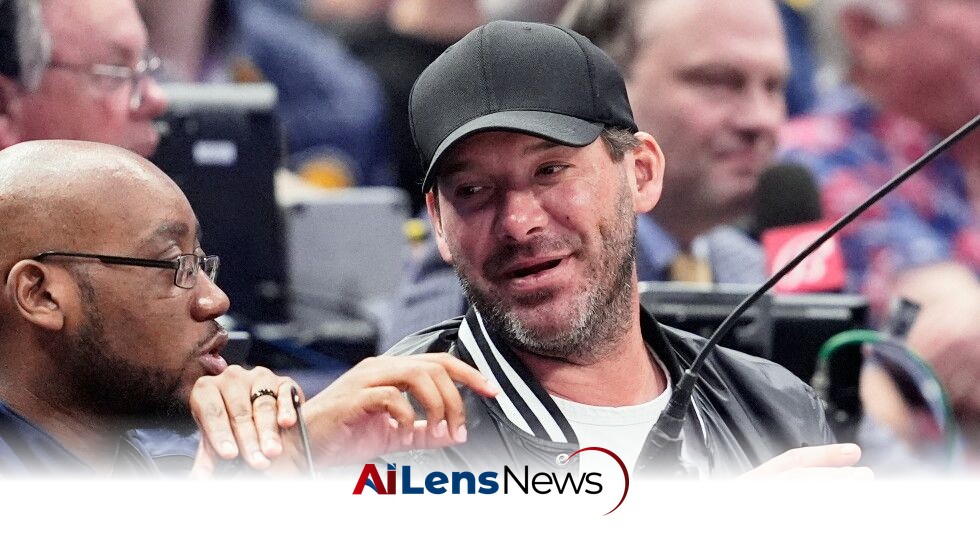


Former Dallas Cowboys quarterback Tony Romo has been arrested on suspicion of operating a vehicle while under the influence, raising concerns about his public image.
Washington DC, United States Jul 25, 2026 ALN: Former NFL quarterback Tony Romo has found himself in legal trouble after being arrested on suspicion of operating a vehicle while under the influence. The incident has raised eyebrows, especially given Romo's prominent status as a CBS NFL analyst and former star player for the Dallas Cowboys. His arrest not only brings attention to his personal life but also highlights the broader societal issues surrounding drinking and driving, particularly among public figures.
Romo, who has been a beloved figure in the sports community, was taken into custody following an incident that occurred recently. Details surrounding the arrest remain limited, but it has sparked discussions about the responsibilities of public figures and the impact of such actions on their careers. The nature of the charges against him could lead to serious consequences, not just legally but also in terms of public perception and his professional responsibilities.
Tony Romo played for the Dallas Cowboys from 2003 to 2016, becoming one of the franchise's most recognized quarterbacks. During his time with the Cowboys, he established himself as a talented player, known for his ability to read defenses and make quick decisions under pressure. He led the team to multiple playoff appearances and was named to the Pro Bowl several times. After retiring from professional football, he transitioned into broadcasting, where he quickly gained acclaim for his insightful commentary and engaging style. His ability to break down plays and predict outcomes has made him a favorite among fans and a respected figure in sports media.
Romo's transition from player to analyst was relatively smooth, and he became a key part of CBS's NFL coverage. His charisma and knowledge of the game have earned him a loyal following, and he has been praised for his work in helping to enhance the viewing experience for fans. However, this recent incident casts a shadow over his otherwise successful career in broadcasting.
The news of Romo's arrest has elicited mixed reactions from fans and commentators alike. Many are expressing disappointment, emphasizing the importance of setting a positive example for younger athletes and fans. Given Romo's status as a public figure, his actions are scrutinized more intensely than those of an average citizen. Fans who have looked up to him as a role model are understandably disheartened by the news, as it contradicts the values of responsibility and integrity that are often associated with professional athletes.
Others are calling for understanding, noting that everyone makes mistakes. Supporters argue that Romo deserves the opportunity to learn from this experience rather than be vilified. This sentiment reflects a broader societal perspective on accountability and forgiveness, especially when it comes to public figures who often face immense pressure and scrutiny. The duality of being a role model while also being human is a complex issue, and many believe that public figures should be given a chance to redeem themselves.
Operating a vehicle under the influence is a serious offense that can lead to significant legal repercussions, including fines, license suspension, and even jail time. The severity of the penalties can vary based on the jurisdiction and the specifics of the incident. Factors such as prior offenses, the level of intoxication, and whether any harm was caused during the incident will all play a role in determining the outcome of Romo's case.
In many states, first-time offenders may face less severe penalties, but repeat offenders or those involved in accidents could face harsher consequences. Legal experts suggest that Romo will likely need to engage with legal counsel to navigate the complexities of the legal system effectively. The outcome of Romo's case will likely depend on various factors, including any prior offenses and the specifics of the incident. Furthermore, the public nature of the case may influence how it is handled in court, as the media attention could pressure the judicial system to enforce accountability.
As the situation unfolds, it remains to be seen how this incident will affect Romo's career in broadcasting and his public image. His fans and supporters are hopeful that he will learn from this experience and continue to contribute positively to the sports community. The potential fallout from this incident could lead to discussions about the need for greater support systems for athletes transitioning into post-career roles, as well as the importance of responsible behavior among public figures.
In addition, Romo's situation may prompt conversations about the culture of drinking within sports and the responsibilities that come with fame. Many athletes face temptations and pressures that can lead to poor decisions, and this incident could serve as a catalyst for broader discussions on how to address these issues within the sports community. The challenge of balancing personal freedom with public responsibility is a recurring theme in the lives of many athletes, and Romo's case may highlight the necessity for more robust support mechanisms for those in the spotlight.
In conclusion, Tony Romo's arrest serves as a reminder of the challenges faced by public figures and the importance of accountability. As the legal process continues, many will be watching closely to see how Romo navigates this difficult chapter in his life. The implications of his actions extend beyond his personal circumstances, touching on themes of responsibility, public perception, and the complexities of celebrity culture in sports. How Romo chooses to respond to this situation could ultimately define his legacy, both on and off the field.
This incident also raises questions about the broader implications of celebrity culture in sports, particularly regarding how athletes manage their public personas and personal lives. The pressure to maintain a certain image can lead to unhealthy coping mechanisms, and discussions surrounding mental health and substance use are becoming increasingly relevant in the context of professional sports. As Romo's case unfolds, it may encourage more athletes to seek help and support when facing similar challenges.
Furthermore, this incident may spark renewed discussions about the role of sports organizations in promoting responsible behavior among their athletes. Teams and leagues have a responsibility not only to their players but also to their communities. Implementing programs focused on education about the dangers of impaired driving and providing resources for athletes struggling with substance use could be crucial steps in preventing incidents like this in the future.
Ultimately, the fallout from Romo's arrest will likely reverberate throughout the sports community, prompting conversations about accountability, the pressures athletes face, and the importance of supporting one another in navigating the complexities of fame and personal responsibility. As fans and analysts continue to discuss the implications of this incident, it serves as a poignant reminder of the delicate balance between public adoration and personal accountability that many athletes must navigate throughout their careers.
To learn more about the latest developments in Crime & Law, stay updated with our exclusive reports and analyses on AiLensNews.

